
Alcohol and Cortisol: How Drinking Winds Up the Stress System It Promised to Calm
Alcohol quiets stress in the moment and leaves the cortisol side running hotter later — that rebound is why a wind-down drink wakes you at 3 a.m.
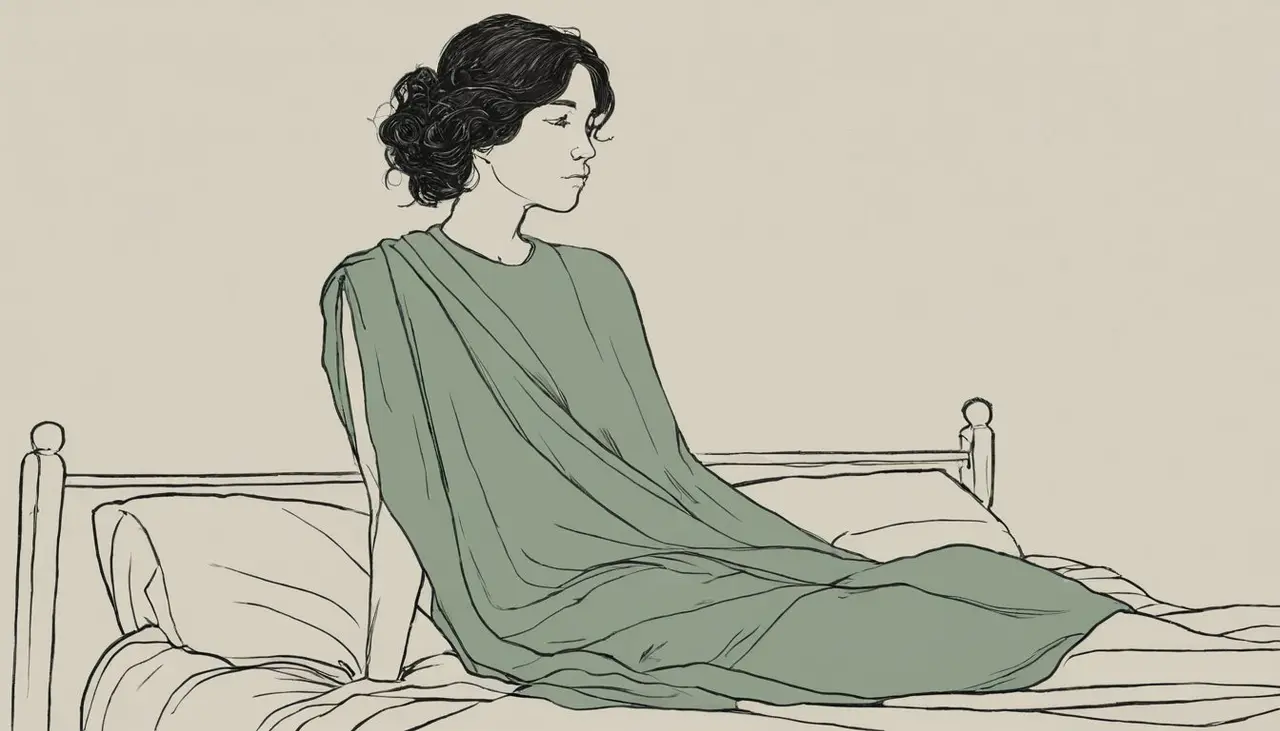
Alcohol can lower the stress feeling in the moment and raise the stress load in the pattern. That is the part that makes the evening drink so convincing at first, and so frustrating later.
Cortisol is one of the body's main stress signals. Think of it as part of the gas pedal system: useful when you need to wake up, react, focus, or handle a threat, but miserable when it feels stuck on. The internet often turns cortisol into a lab-number obsession. The more useful question is simpler: why does a drink that feels calming at 7 p.m. leave so many people wired at 3 a.m. or sharper with their family the next day?
The borrowed calm
Alcohol is a fast state-changer. It can soften tension, quiet self-consciousness, and make the body feel less braced for a while. If your day has been full of deadlines, conflict, or constant switching, that shift can feel like the first real exhale of the day.
The problem is that the nervous system does not treat alcohol as a simple calm button. It adapts. NIAAA's Core Resource on the brain describes repeated heavy drinking as a pattern that can reduce reward function while heightening stress systems, so the drink gives less relief over time while the baseline stress side runs hotter. That is the loop: the thing used to take the edge off starts helping create the edge.
This is why the "one drink to unwind" story can change without anyone noticing the exact day it changed. At first, the drink may feel like a clean end to work. Later, it may feel more like a reset you need just to get back to neutral. The amount can creep up because the old effect gets smaller.
The rebound after alcohol leaves
The second half of the pattern arrives when alcohol is clearing from the body. A drink pushes the nervous system in a sedating direction. As it wears off, the system can swing back the other way.
A review of alcohol-withdrawal neurochemistry describes that rebound as the nervous system shifting from alcohol's quieting effect toward an over-excited state as alcohol leaves. In plain terms, that can look like edgy mornings, restlessness, a shorter fuse, or the familiar "wired but tired" feeling after a night that was supposed to help you relax.
This does not mean every irritated morning is withdrawal in the medical sense. It means the rebound pattern is real enough to explain why the day after drinking often feels emotionally louder than the night before. Your stress system has not been rested. It has been pushed one way, then pulled back.
Why 3 a.m. is part of the same story
Sleep is where many people first notice the mismatch. Alcohol can help you fall asleep because it is sedating. That part is not imaginary. The catch is what happens later.
Research on disturbed sleep and alcohol use documents that drinking can disrupt sleep architecture even when it makes sleep start faster. Sleep architecture just means the shape of the night: the stages, the depth, and the cycles your brain and body move through. When that shape breaks up, the next day starts with less repair than the number of hours in bed suggests.
Broken sleep also feeds the stress system. A night that begins with a drink-assisted crash can turn into a light, restless, early-morning wake-up. Then the day asks you to perform as if you slept normally. More coffee, more irritability, less patience, then the same evening wish to shut the whole system down.
That is not a character flaw. It is a loop.
Does drinking less lower cortisol?
For an individual person, no article can promise a cortisol result or a timeline. The better answer is that the stress system can adapt in both directions. If regular drinking has been making sleep worse, adding rebound stress, and shrinking the relief each drink gives, then reducing the pattern removes some of the load that was keeping the system revved.
Many people notice the change first in ordinary language, not hormone language. They wake less jumpy. They stop getting the 3 a.m. surge as often. They need less emotional force to get through the morning. Their temper has more room around it.
Those are not lab values. They are useful signals.
It also helps to separate three different questions. "Does alcohol affect stress biology?" Yes, research says the stress side can become more reactive with repeated heavy use. "Does one drink always raise cortisol in a neat, predictable way?" That is too tidy. "Can drinking less make the whole system feel steadier?" For many people, that is the practical reason to try a smaller pattern and watch what changes.
The drink-to-calm loop, drawn end to end
The loop has four parts.
First, stress builds during the day. Second, alcohol gives a quick state change. Third, as the effect fades, sleep and stress signals are more disrupted than they look from the outside. Fourth, the next day feels more frayed, which makes the evening drink feel reasonable again.
That is why "I drink because I am stressed" and "drinking is adding to my stress" can both be true. The drink may be solving the acute feeling while worsening the background conditions that produce the acute feeling.
The useful move is not to shame the original logic. The wind-down drink made sense. It did a job. The question is whether it is still doing that job, or whether it has become a loan with interest due at 3 a.m.
What to watch when the pattern changes
If you are experimenting with drinking less, do not track cortisol. Track the parts of stress that actually touch your day.
Notice the first hour after waking. Is your body already braced? Notice the late afternoon. Does the urge to drink feel like pleasure, escape, or just stopping the noise? Notice your sleep middle. Are you waking up hot, alert, guilty, or rehearsing tomorrow? Notice your tone with people who did nothing wrong.
Give the pattern more than one night. Sleep and stress are noisy. One rough evening does not prove anything. A two-week log of drinks, wake-ups, mood, and stress gives a clearer read than a single perfect or terrible night.
For adjacent reading, see waking up at 3 a.m. after drinking, alcohol and anxiety the next day, drinking and your mood the day after, managing stress without alcohol, and drinking less for better sleep.
This article is general education, not medical advice or a hormone-testing guide; if you drink heavily every day or feel unwell when you cut back, talk with a licensed clinician before stopping abruptly.
- Family & relationships
How to Set Boundaries With Family When You're Cutting Back on Drinking
A calm guide to extended-family drinking pressure, short answers, and exit plans when you are trying to drink less.
- Social events & holidays
How to Handle FOMO When You're Cutting Back on Drinking
FOMO is rarely the whole night — it is the people, the place, the drink, or the feeling. Name which corner is hot, give it one small move, and set the phone down.
- Cutting back & moderation
What Is Mindful Drinking? The Practice Behind the Buzzword, Explained
Mindful drinking means deciding when, why, and how much you drink before the room decides for you. The three parts, five concrete moves, and who it fits.
- Mind & mood
Alcohol and Vivid Dreams When You Cut Back
Vivid dreams after cutting back are usually REM rebound, not withdrawal. Why the dreams get so loud, how long the phase tends to last, and the signs that need care.
- Mind & mood
Dreams About Drinking When You've Been Cutting Back
Drinking dreams after cutting back come from REM rebound, not a hidden wish to relapse. Why they arrive now, the shapes they take, and how to shake one off.
- Mind & mood
Alcohol and Depression
A safety-first guide to the alcohol and depression relationship, next-day mood dips, and when to reach out for clinical or crisis support.


Be the first to hear when Clero launches.
Join with email only. Clero is still in development, so this is educational content today — not treatment, a prescription request, or medical advice.
First to hear at launchLaunch news only — no spamUnsubscribe anytime