
Dreams About Drinking When You've Been Cutting Back
Drinking dreams after cutting back come from REM rebound, not a hidden wish to relapse. Why they arrive now, the shapes they take, and how to shake one off.
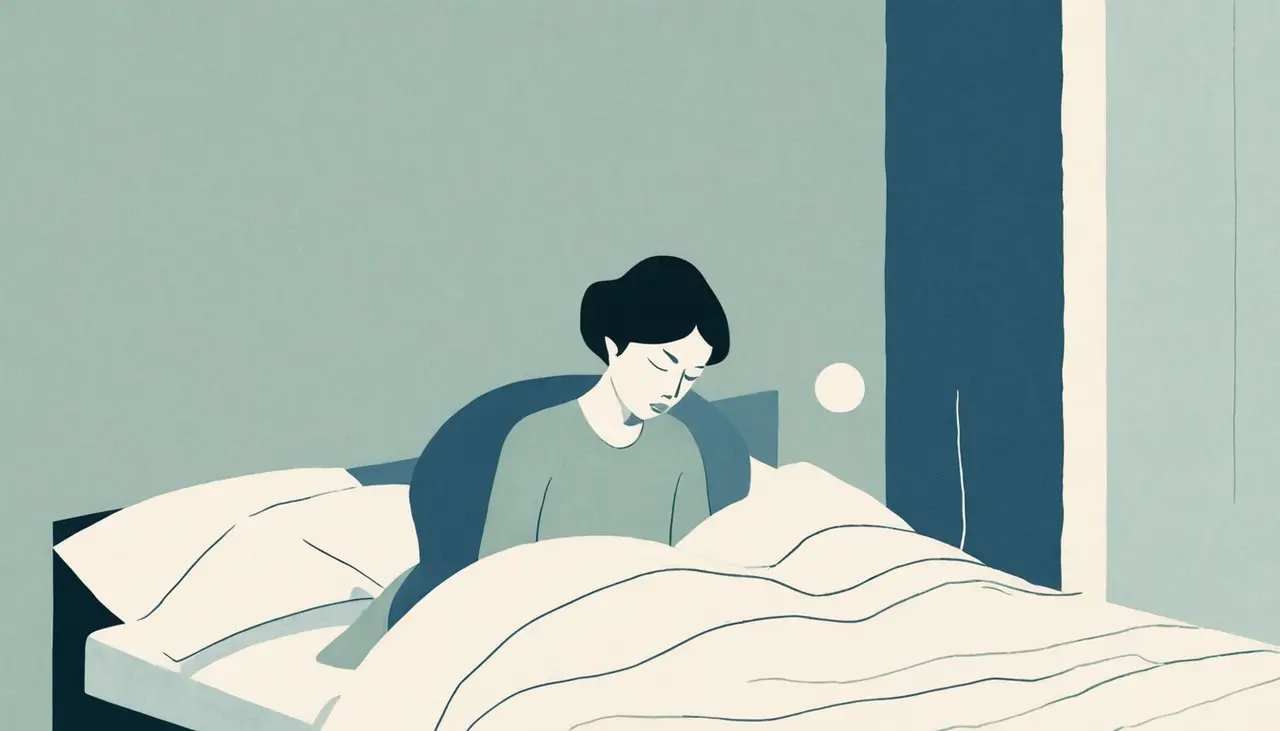
One thing worth knowing about a drinking dream is that it happened while you were asleep, and nothing about your waking cutback changed while it played out. You did not pour anything. You did not break a streak. The dream felt like a verdict; it was closer to a rerun. What follows is why these dreams tend to arrive after you cut back, and how to read one without letting it run your morning.
Why the dreams show up after you cut back
Start with the sleep, not the symbolism. Alcohol suppresses REM — the dream-heavy stage of sleep — during the first stretch of the night. As the alcohol clears, the brain tends to overcorrect: REM comes back harder in the back half of the night, and that rebound is where the loud, cinematic, hard-to-shake dreams live. In the peer-reviewed sleep literature, that second-half REM rebound is described as "associated with intense dreaming or nightmares," often surfacing in the small hours as the last of the alcohol leaves your system. NIAAA's overview of alcohol and the body describes the same rebalancing of REM as drinking changes.
So when your drinking pattern shifts, your dream machinery shifts with it. A brain that was running dampened dreams for months starts running vivid ones again, and drinking — the thing that filled a lot of recent nights — is right there in the material to dream about. That is the whole trick. The dream reaches for a familiar, emotionally loaded script, and few scripts are more available after a cutback than the one about drinking. The rebound itself — why cutting back turns dreams vivid across the board, drinking-themed or not — is covered in alcohol and vivid dreams when you cut back.
This matters because it decouples the content from the meaning. A dream where you accept a glass, pour wine, order at a bar, or think "I already broke it, might as well" is your sleep processing a recent, charged pattern. It is not a message from a hidden part of you that wants to relapse, and it is not the cutback failing. It is the rebound doing exactly what rebounds do.
What the dreams tend to look like
People describe a handful of recurring shapes, and naming them takes some of the sting out:
- The first sip. Sensory and specific. You wake with the taste or the guilt still sitting there, as if the drink were real.
- The autopilot. You are at a bar or a party, ordering before the cutback even occurs to you, the way an old habit runs before you catch it.
- The "might as well." One imagined drink becomes a whole imagined night, the dream fast-forwarding through a relapse you never had.
- The handed drink. Someone gives it to you and, inside the dream, refusing feels impossible. These often carry the flavor of social pressure more than craving.
- The panic, then the relief. The most memorable one. You wake up certain you blew it, check reality, and feel the streak snap back into place, intact.
A drinking dream does not, on its own, mean you have alcohol use disorder, an anxiety disorder, PTSD, or a sleep disorder. It is a pattern to notice, not a chart to fill in.
What the evidence can and cannot tell you
Two things are reasonably well established. First, that cutting back or stopping tends to make dreams louder and more frequent for a while, through the REM-rebound mechanism above. Second, that sleep trouble runs deep in heavier drinking: a framework review of alcohol use disorder and sleep notes that disturbances like taking longer to fall asleep, waking more in the night, and thinner deep sleep often persist well into abstinence rather than clearing in the first month. So if your sleep still feels rough weeks in, that is a known pattern, not a personal failing.
What the evidence does not do is decode a specific dream. There is no reliable science that turns "I dreamed I ordered a whiskey" into a forecast of your next week. Dream content is shaped by too many things at once — the day you had, the cues you passed, how you slept, what you were anxious about — for any single dream to carry a clean signal. The honest position is that the dream is real, the mechanism is real, and the interpretation is where certainty runs out.
That is also why timing varies so much between people. Some notice the drinking dreams thin out within a couple of weeks. Others get an occasional one months later, out of nowhere. Neither means more than the other.
What to do with one when it happens
The aim is not to control your dreams. It is to keep a dream from becoming the whole day.
- Treat it as information, not a confession. A dream is not a plan you made. Before you assign it any meaning, remember it is the rebound talking, not a hidden intention.
- Write one short note, then close the notebook. What happened yesterday, how you slept, whether you passed a drinking cue, and whether you woke up with an actual craving. Keep it to a few lines. The point is to spot patterns over a couple of weeks — do the dreams cluster around stress, bad sleep, old cues, an anniversary of a slip — not to journal every scene.
- If you woke up craving, work the craving, not the dream. This is the one case where a dream leaves something to handle. The dream is over; the urge is the live thing. Reach for whatever craving plan you already trust. How to handle alcohol cravings and urges is the fuller toolkit, and the difference between a craving and a thought about drinking helps sort which one you are actually having.
- Protect ordinary sleep. A steady bedtime, a cool dark room, less late scrolling. This will not choreograph your dreams, but rested nights tend to blunt the loud ones, and it is the one lever here that reliably helps.
For related night patterns, drinking less for better sleep and alcohol cravings at night cover the sleep and the urge sides. If the dream stirs shame or old-identity feelings, comparing yourself to who you were before cutting back sits closer to that.
When it belongs with a clinician, not a notebook
Most drinking dreams are just the rebound and need nothing more than the moves above. A few signals mean it is worth talking to a licensed clinician who knows your history: dreams tangled up with trauma re-living, flashbacks, or daytime intrusive images; insomnia that will not lift; sleep paralysis with vivid hallucinations on waking; or acting out dreams and shouting in your sleep. If a dream ever carries thoughts of harming yourself, that is a moment to reach a person now — call or text 988, the Suicide and Crisis Lifeline, any time.
One safety line worth keeping separate from all of this: vivid dreams are not alcohol withdrawal. But if you drink heavily every day and a stretch without alcohol brings on tremor, sweating, a racing heart, fever, confusion, hallucinations, or a seizure, that is a medical emergency — call 911 or go to an emergency room, and talk with a clinician before stopping suddenly next time. For substance-use support more broadly, SAMHSA's National Helpline is a free, confidential, 24/7 line at 1-800-662-HELP.
The question worth carrying
The useful question after a drinking dream is not "what did that mean?" It is "what do I want to do now that I'm awake?" The dream already answered the first question by ending: you woke up, and the cutback was still standing. The second question is the only one you actually get to decide.
FAQ
Does a drinking dream mean I secretly want to drink?
Not by itself. Dreams pull from recent, emotionally loaded material, and after a cutback, drinking is exactly that. A dream is your sleep replaying a familiar pattern, not a confession of intent.
Is a drinking dream the same as a relapse?
No. If you did not drink while awake, nothing changed. The streak counts waking choices, and a dream is not one of them.
What if I wake up craving alcohol after the dream?
Then the craving is the thing to handle, not the dream. Use your craving plan, lean on support, and if the urge feels unsafe to sit with alone, talk to a clinician.
This is general education about drinking dreams, not medical advice, a diagnosis, or therapy. If the dreams come with the warning signs above, or you drink daily and want to change that, take it to a clinician who knows your situation.
- Understanding your drinking
Found Hidden Bottles of Alcohol? What to Do Next
Hidden alcohol proves there is secrecy, not why it happened. Wait for a sober moment, name what you found, ask one direct question, and keep safety first.
- Quitting & sobriety
Why Can't I Sleep When I Stop Drinking?
Why sleep can feel worse after stopping or cutting back on alcohol, when it may point to withdrawal risk, and what to track next.
- Social events & holidays
How to Handle FOMO When You're Cutting Back on Drinking
FOMO is rarely the whole night — it is the people, the place, the drink, or the feeling. Name which corner is hot, give it one small move, and set the phone down.
- Mind & mood
Alcohol and Shame After Drinking
Shame is loud, but it is not always accurate. How to separate the useful information inside morning-after regret from the story that keeps you hiding it.
- Social events & holidays
How to Handle Thanksgiving When You're Cutting Back on Drinking
Thanksgiving is an all-day drinking cue: plan the timeline, family lines, and first sober holiday pressure before the table fills.
- Family & relationships
Drinking More After a Breakup or Divorce? Why It Happens and What Helps
Why heartbreak can pull drinking up, how alcohol and low mood can feed each other, and a gentle first-weeks plan for steadier nights.


Be the first to hear when Clero launches.
Join with email only. Clero is still in development, so this is educational content today — not treatment, a prescription request, or medical advice.
First to hear at launchLaunch news only — no spamUnsubscribe anytime