
Does 'Beer Before Liquor' Really Make You Sicker? What a Study Found
A myth-check on beer-before-liquor, drink order, hangovers, congeners, and why total amount matters more than the rhyme.
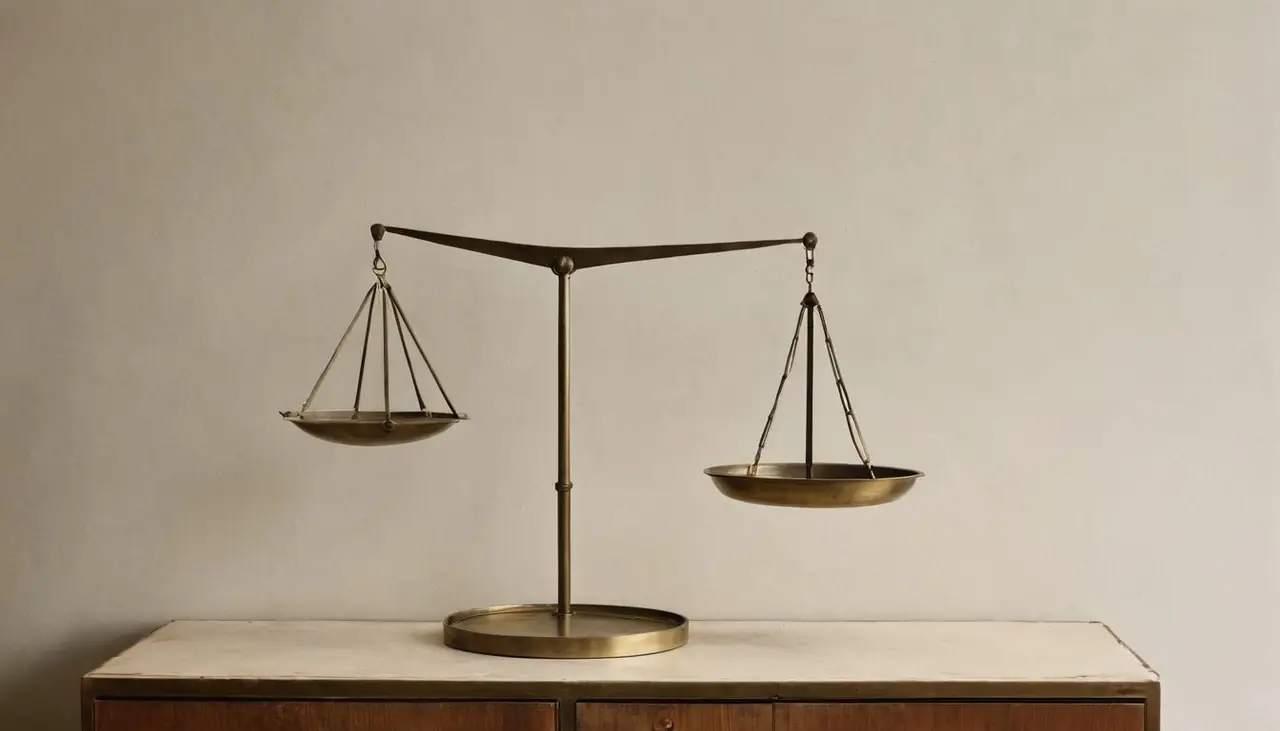
"Beer before liquor, never sicker" sounds like the kind of rule that survived because it had something behind it. It rhymes. It is easy to remember. It gives a messy night a clean cause.
But when researchers tested the same basic idea with beer and wine, the order did not explain the hangover.
Why the rhyme sticks
The belief is appealing because it gives people a way to blame sequence instead of amount. If the night went badly, the story becomes "I mixed drinks wrong" or "I should have reversed the order."
That story feels useful. It suggests next time can be fixed by rearranging the same amount of alcohol. That is the part the evidence weakens.
The study that tested drink order
A randomized controlled crossover trial tested beer before wine, wine before beer, and a single-beverage condition. The researchers found no significant difference in hangover intensity between the beer-then-wine, wine-then-beer, and single-beverage groups, and they concluded that the findings dispelled the traditional beer/wine order myths.
That does not test every possible drink combination on earth. It does directly test the "order matters" idea in a controlled way. The order did not carry the explanation.
The more important finding was simpler. In the same trial, the strongest predictors of hangover intensity were how drunk people felt and whether they vomited. In plain language: the worse hangovers tracked more with how much alcohol affected the person than with which drink came first.
The flaw in the folk rule
The rhyme treats order as the main variable. Most real nights do not work that way.
A night that starts with beer and moves to liquor may also involve faster drinking, stronger drinks, skipped food, later hours, less sleep, rounds someone else orders, and poor counting. It is easy to remember the order and miss the total.
The cleaner question is not "beer first or liquor first?" It is "how much pure alcohol did the night contain?"
NIAAA describes a U.S. standard drink as 0.6 fluid ounces, or 14 grams, of pure alcohol. That unit is more useful than the rhyme because it follows the alcohol, not the category.
This is also why "mixing" gets blamed. Mixed categories often mean looser counting. Beer at the cookout, wine at dinner, liquor at the bar, a late drink at home - each step feels separate. The body does not file them in separate folders. It handles the total alcohol.
The rhyme offers control after the fact. Standard-drink counting offers control before the night gets away from you.
The grain of truth: congeners
There is one real nuance. Drink type can matter for some people, just not in the simple order-rule way.
NIAAA notes that congeners, compounds produced during fermentation and found at higher levels in some darker drinks such as bourbon, may worsen hangover symptoms for some people. The same NIAAA page states that there is no cure for a hangover other than time.
So the corrected picture is not "all drinks feel identical." It is "order is a weak explanation; amount is the stronger one, and drink composition may affect some symptoms."
That is less catchy. It is more useful.
What the study does not prove
The study does not prove that mixing drinks is harmless. It does not prove that any amount is safe. It does not turn hangover prevention into a sequence problem.
It also does not mean hydration, food, sleep, medication interactions, body size, tolerance, and pace are irrelevant. It means the old order rhyme is not a reliable guide.
For nearby questions, read how long hangovers last, what to do the morning after drinking too much, and how to sober up fast.
The other limit is memory. People often reconstruct a heavy night by the most vivid detail: "the tequila did it," "the wine did it," "switching did it." The vivid detail may be real. It still may not be the driver.
The driver may be simpler and less flattering to the myth: the total was higher, the pace was faster, or the person crossed the point where good choices got harder.
The practical takeaway
If order is the focus, the total can hide. A person can follow the rhyme and still drink more than planned. A person can break the rhyme and have a milder next day because they drank less overall.
That is the useful correction: do not treat sequence as the lever. The lever is total alcohol, pace, and whether the night keeps moving past the point you meant to stop.
If you are trying to cut back, the less clever plan is the stronger one: decide the total before the first drink, count standard drinks rather than categories, and do not let a rhyme substitute for a stopping point.
FAQ
Does mixing alcohol types make a hangover worse?
It can feel that way, but the best answer is usually amount, pace, and drink composition rather than sequence. Darker drinks and congeners may worsen symptoms for some people, but no drink order prevents a hangover.
Is liquor after beer worse than beer after liquor?
The beer/wine trial found no meaningful hangover-intensity difference by order. Liquor strength and pour size can still change total alcohol quickly.
What is the only hangover cure?
NIAAA says time is the only cure. This page does not recommend a supplement, hydration protocol, or workaround.
This article is general education and myth-checking, not a safe-mixing strategy or hangover-cure plan; if symptoms after drinking seem medically dangerous, seek urgent care.
- Understanding your drinking
Is Red Wine Actually Good for You? What the Latest Guidance Says
Why the red-wine health halo has weakened, what current alcohol guidance says, and why alcohol content matters more than the color of the drink.
- Body & physical health
Does Alcohol Make You Hungry? Why the Drunchies Hit So Hard
Yes — alcohol scrambles hunger signals and lowers the brakes at the same time. Why the drunchies hit, and what actually changes the late-night pattern.
- Understanding your drinking
What Does 'Proof' Mean in Alcohol? A Simple Explainer
A straight definition of proof, ABV conversions, and why standard drinks matter more than bottle strength when counting alcohol.
- Body & physical health
Can You Drink Alcohol While Breastfeeding? Timing, Milk, and the Pump-and-Dump Myth
Not drinking is safest while breastfeeding; if you drink, timing matters. Milk clears with time, not pumping and dumping.
- Body & physical health
Why Does Alcohol Make You Feel Warm?
Alcohol makes skin feel warm by moving blood toward the surface, but that can cool your core. Why the cold-weather myth is risky.
- Understanding your drinking
Does Alcohol Cook Off?
USDA alcohol-retention data show how much alcohol can remain after flambe, simmering, baking, or no-heat preparation.


Be the first to hear when Clero launches.
Join with email only. Clero is still in development, so this is educational content today — not treatment, a prescription request, or medical advice.
First to hear at launchLaunch news only — no spamUnsubscribe anytime