
Is Red Wine Actually Good for You? What the Latest Guidance Says
Why the red-wine health halo has weakened, what current alcohol guidance says, and why alcohol content matters more than the color of the drink.
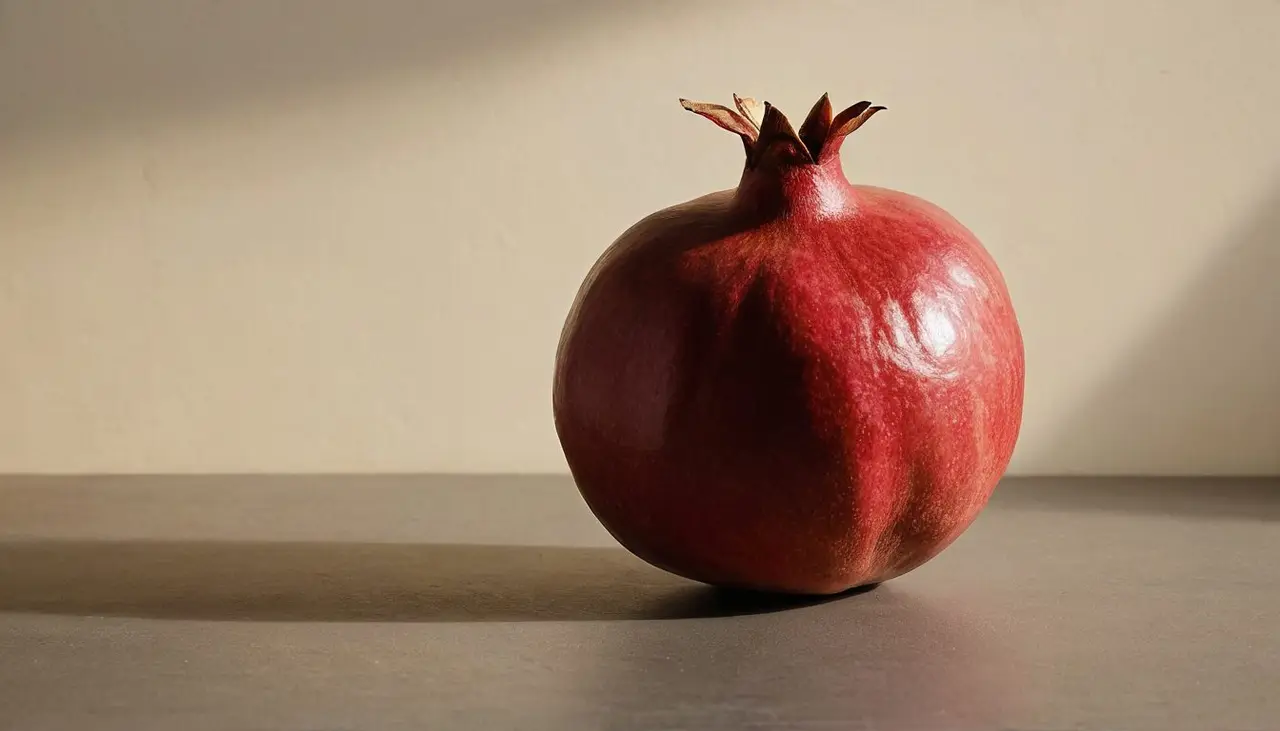
Red wine is not a health food. The old "a glass of red wine is good for you" idea has not held up well against current public-health guidance.
The belief was appealing. It gave a familiar habit a medical-sounding halo: antioxidants, the French paradox, heart health, a daily glass with dinner. It sounded moderate, adult, and almost virtuous.
But the newer message is much less romantic. The World Health Organization states that no level of alcohol consumption is safe for health and that alcohol-related health risks start from the first drop and rise with the amount consumed.
Where the red-wine idea came from
The red-wine story did not come out of nowhere. Older observational studies found that some groups who drank lightly or moderately seemed to have better heart outcomes than people who did not drink. Red wine also contains compounds people talk about as antioxidants, including resveratrol.
That made a tidy public story: maybe wine, especially red wine, was protective.
The crack is in what those older comparisons could not settle. People who drink lightly can differ from non-drinkers in many ways besides alcohol. Some non-drinking groups include former drinkers who stopped because of health problems. Lifestyle, income, diet, medical history, and other factors can blur the picture.
When the comparison group is messy, the health halo can be too.
That is why the red-wine myth has been so durable. It did not require people to deny alcohol risk completely. It let them believe one familiar form of alcohol sat in a special category. Current guidance gives much less room for that exception.
What current guidance says instead
Current guidance does not tell people to start drinking for health.
The CDC describes moderate drinking as up to 1 drink a day for women and up to 2 drinks a day for men on days alcohol is consumed. It also frames less drinking as better than more. That is a ceiling for people who drink, not a recommendation to pour a glass.
WHO goes further in its wording, saying there is no safe amount of alcohol for health. That does not mean every person who drinks red wine will have the same outcome. It means the public-health claim has moved away from "red wine is good for you" and toward "alcohol carries risk, and risk rises with amount."
That is the main correction.
The correction is not "red wine is uniquely dangerous." It is "red wine is still alcohol." A scare story would be just another distortion. The useful move is to remove the halo and look at the drink plainly.
This is also why "moderate" should not be heard as "beneficial." Moderate-drinking limits are guardrails for people who choose to drink. They are not a prescription for health, and they are not proof that the drink inside the limit is helping you.
It is the alcohol, not the color
The beverage can change the ritual. It does not erase the alcohol.
The CDC's standard-drink page defines a U.S. standard drink as about 14 grams of pure alcohol. It gives common examples: 5 ounces of wine, 12 ounces of regular beer, or 1.5 ounces of distilled spirits each count as one standard drink when they contain the usual alcohol concentration.
That figure is not a harm threshold but a measuring unit. It helps show why "wine is healthier than beer" is often the wrong question: if the alcohol amount is the same, the body still has to process the same amount of alcohol.
NIAAA's overview of alcohol and the human body describes alcohol's effects across body systems. The risk conversation does not stop at the grape skin.
What about antioxidants?
Red wine can contain plant compounds people associate with antioxidants. That does not make alcohol a required delivery system.
Grapes, berries, and other non-alcoholic foods can contain beneficial plant compounds without bringing alcohol along with them. This page does not rank foods, supplements, or resveratrol products. The simple point is that the health claim cannot ignore the alcohol in the glass.
If a headline says red wine is good for you because of a compound it contains, ask the quieter follow-up: can that compound be found somewhere that does not contain alcohol?
Usually, the useful answer is yes.
That does not make dinner less pleasant. It just moves the health claim off the wine.
How to think about your own glass
You do not have to turn one article into a moral verdict. Plenty of people choose to drink sometimes. Moderation can be a valid personal choice.
The cleaner question is whether health is the reason you are giving yourself. If you enjoy a glass of wine, that is different from believing the glass is doing your heart a favor.
Use the public-health frame honestly: less is better than more, and drinking is not something people need to start for health. If you drink heavily every day, talk with a clinician before stopping suddenly, because withdrawal can be dangerous for some drinking patterns.
People often come with a follow-up: "If I switch from beer or liquor to wine, is that a health upgrade?" The standard-drink framework makes the answer less flattering than the marketing. If the alcohol amount is similar, the body is still processing alcohol. The glass shape changed; the risk category did not.
That does not make every drink decision identical. A smaller pour, fewer drinking days, and slower pacing can still reduce total alcohol. But the health argument should be about amount and pattern, not about red wine being a special exception.
The same goes for the bigger version of that question: "What is the healthiest alcohol?" Current guidance makes even that less useful than it sounds. A sharper question is, "How much alcohol am I actually drinking, how often, and what would less look like?" That keeps the focus on the part you can measure.
It also avoids the loophole hunt. A smaller total alcohol pattern matters more than finding a drink with better branding.
That is less glamorous than the wine-health story. It is also sturdier.
For related reading, see what counts as one standard drink, what does moderate drinking actually mean, and alcohol and cancer.
FAQ
Is one glass of red wine a day good for your heart?
Current public-health guidance does not recommend drinking for heart health. CDC frames moderate drinking as a limit for people who drink, and WHO states that no level of alcohol consumption is safe for health.
Is wine healthier than beer?
The alcohol amount matters more than the category. A 5-ounce glass of wine, a 12-ounce regular beer, and a 1.5-ounce shot each contain about 14 grams of pure alcohol in the CDC standard-drink framework.
Should I switch to red wine for antioxidants?
This page does not recommend wine or supplements for antioxidants. The compounds people cite are available from non-alcoholic foods without the alcohol risk.
This article is general education, not personal medical advice or a rule about your glass. If you drink heavily every day, ask a clinician about withdrawal safety before stopping suddenly.
- Hangovers & the day after
Does 'Beer Before Liquor' Really Make You Sicker? What a Study Found
A myth-check on beer-before-liquor, drink order, hangovers, congeners, and why total amount matters more than the rhyme.
- Cutting back & moderation
Does Non-Alcoholic Wine Have Alcohol?
Non-alcoholic wine can contain less than 0.5% ABV unless it says alcohol-free. What the label means and when trace alcohol matters.
- Medication & treatment
Do I Have to Tell My Doctor I'm Cutting Back on Drinking?
No, you don't have to tell your doctor you're cutting back — but one honest sentence usually helps more than it costs. When it matters, and how to start small.
- Cutting back & moderation
Do Mocktails Actually Help You Drink Less? An Honest Look
Mocktails really can help you drink less — the glass and ritual do most of the work. For some, the flavor wakes cravings instead; a two-week swap test shows which.
- Cutting back & moderation
How Many Alcohol-Free Days a Week?
No U.S. guideline sets a number of alcohol-free days a week — the official limits are per day. Why the pour matters more than the calendar, and where to start.
- Quitting & sobriety
Is Relapse a Normal Part of Recovery?
NIDA says a return to drinking can be part of the process — a signal to resume or change the plan, not proof of failure. Plus the tolerance drop that matters.


Be the first to hear when Clero launches.
Join with email only. Clero is still in development, so this is educational content today — not treatment, a prescription request, or medical advice.
First to hear at launchLaunch news only — no spamUnsubscribe anytime