
What Is HALT? The Hungry, Angry, Lonely, Tired Craving Check
HALT stands for Hungry, Angry, Lonely, Tired — a 10-second check that asks what a craving is really about. Fix the real need first, before it becomes a drink.
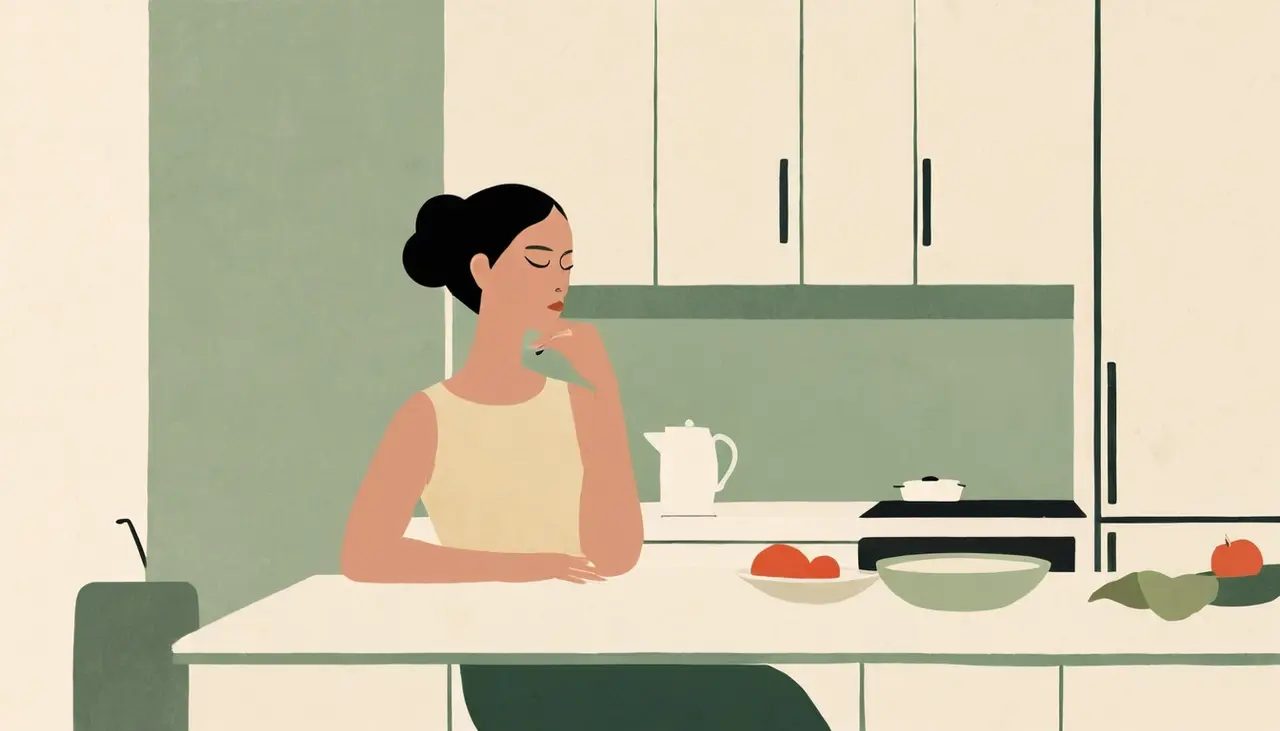
The craving feels sudden. It may not be. It might be dinner running late, an argument still buzzing, the quiet house, or a body that has been running on five hours of sleep and caffeine all day.
HALT is the 10-second check for that moment: Hungry, Angry, Lonely, Tired.
The rule is simple. When the urge hits, run the four letters. If one is true, fix that need first. Do not solve alcohol with alcohol when the real problem is a sandwich, a cool-down, a text, or rest.
Why HALT catches so many urges
HALT works because a craving is not always about alcohol alone. Sometimes it is a body in deficit looking for the fastest state change it knows.
NIAAA explains that alcohol affects brain communication pathways involved in mood, behavior, and decision-making. When drinking has become part of how someone handles discomfort, ordinary states like hunger, anger, loneliness, and exhaustion can feel louder than they are.
The point of HALT is not to psychoanalyze yourself in the kitchen. It is to interrupt the automatic translation: "I want a drink" may actually mean "I have not eaten," "I am still mad," "I feel disconnected," or "I am done."
Run the 10-second check
Use this exact drill:
- Pause before the pour.
- Ask: hungry?
- Ask: angry?
- Ask: lonely?
- Ask: tired?
- Match the fix to the letter.
- Wait ten minutes, then decide again.
That last step matters. HALT is a delay and a redirect, not a lifetime contract. NIAAA's Rethinking Drinking guidance for cravings starts with knowing your triggers and using strategies like distraction, coping with the urge, and challenging the thought that alcohol is required. HALT gives that guidance a fast shape.
Hungry: feed the body before the story
Hunger can make a craving feel moral, emotional, or urgent when it is partly physical. The fix is not complicated: eat something with enough substance to change the signal.
Do-it-now action: make a default craving snack that requires no decision. Toast and eggs. Yogurt and granola. A sandwich. Leftovers. The exact food matters less than removing the gap where the urge argues.
If the urge drops after eating, do not dismiss it as "just hunger." That is good data. A future you can prevent that version of the craving by eating earlier.
Angry: cool the system before choosing
Anger wants movement, words, and release. Alcohol can seem like a quick off switch, especially after an argument or humiliating work moment. The catch is that drinking while angry often preserves the anger instead of resolving it.
Match the fix to the state: take a shower, walk around the block, write the sentence you want to send but do not send it yet, or do a five-minute reset task with your hands.
Do-it-now action: choose one anger move before you need it. "If I am angry, I shower first." No debate.
Lonely: make contact smaller
Loneliness can make alcohol feel like company. The fix does not have to be a deep conversation. In the moment, smaller contact often works better because it is easier to start.
Send a low-pressure text. Sit in a public place for twenty minutes. Reply to the message you have been avoiding. Make a plan for later in the week. If you are in a house full of people and still lonely, name that too: loneliness is not only about being physically alone.
Do-it-now action: keep three low-stakes contacts in your phone notes. When the L in HALT lights up, use one.
Tired: stop treating exhaustion like a reward problem
Tired is the sneakiest letter because it often arrives dressed as "I deserve this." Maybe you do. But if your body needs sleep, alcohol is a bad substitute for rest.
Sleep research on alcohol shows the relationship can run both ways: alcohol can disrupt sleep, and poor sleep can leave people more vulnerable to drinking more. That means the T in HALT is physiological, not just symbolic.
Do-it-now action: create a tired-night rule. If you are past a certain hour and the craving is mostly exhaustion, your job is to close the night: food, water, teeth, bed, no negotiation with the part of your brain that wants a reward at the worst possible time.
When HALT is not enough
HALT catches many urges. Not all.
Sometimes all four letters are false and the craving is still there. Sometimes the urge is tied to a daily cue, a place, a person, or withdrawal symptoms. Sometimes the problem is not the trigger but the pattern: every evening, same time, same argument in your head.
The tool did not fail; it handed you information. If HALT does not explain the urge, try a different craving tool, such as urge surfing, delaying, changing rooms, or calling someone before the usual first drink. For more, see how to handle alcohol cravings and urges and when your cravings come at the same time every day.
The line to remember
Match the fix to the letter, not to the urge.
Hungry gets food. Angry gets cooling. Lonely gets contact. Tired gets rest. Then decide again from a body that is not shouting.
This article is general education, not medical advice or a substitute for clinical support. If cravings come with withdrawal symptoms or cutting back feels physically unsafe, talk with a licensed clinician; SAMHSA's National Helpline is 1-800-662-HELP.
- Medication & treatment
Is the Sinclair Method right for me?
The Sinclair Method fits best when your goal is drinking less, not quitting first — naltrexone taken before you drink. Who tends to match, and when it isn't safe.
- Tools & resources
Alcohol App Data Privacy: What to Check Before You Track Your Drinking
A privacy-first checklist for evaluating drinking trackers, alcohol-support apps, and health apps before you log sensitive information.
- Medication & treatment
How to Drink Less Without AA: A Practical Cutback Framework for People Who Aren't Doing a Program
Drinking less without AA works best as four weekly jobs: measure honestly, plan a number, prepare for the hard moment, and check in.
- Cravings & triggers
The 'I Deserve This' Thought When You're Cutting Back
The 'I deserve this' thought is half right — something is owed, it's just rarely the drink. A four-move Receipt Check for reading it before you pour.
- Mind & mood
Alcohol and Anger Outbursts
Alcohol lowers restraint, which can make anger outbursts easier to act on — and the next-day rebound explains why the morning after feels so raw.
- Cutting back & moderation
What Is Mindful Drinking? The Practice Behind the Buzzword, Explained
Mindful drinking means deciding when, why, and how much you drink before the room decides for you. The three parts, five concrete moves, and who it fits.


Be the first to hear when Clero launches.
Join with email only. Clero is still in development, so this is educational content today — not treatment, a prescription request, or medical advice.
First to hear at launchLaunch news only — no spamUnsubscribe anytime