
Signs You Are Drinking More Than You Meant To
A low-stakes self-check for noticing drinking drift without using a quiz, a label, or diagnosis language.
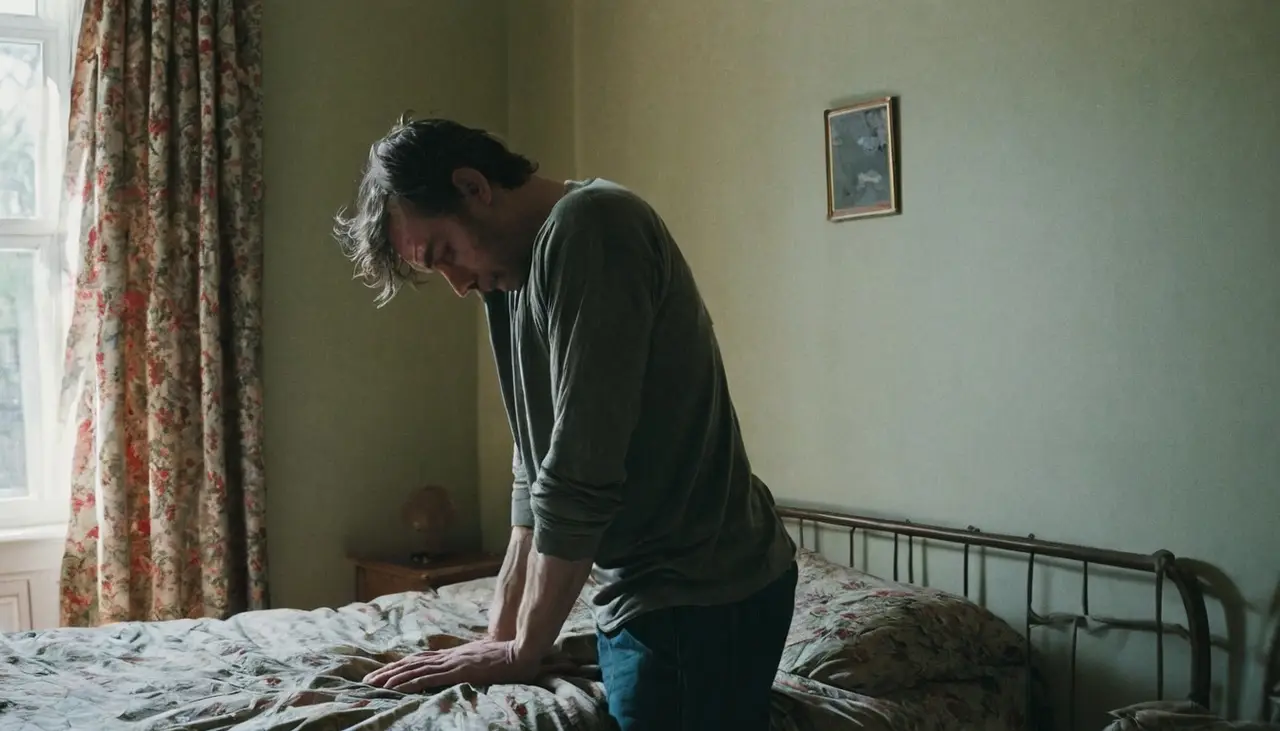
If "I drank more than I meant to" keeps crossing your mind, that thought is doing its job — and you can look at it honestly without a quiz, a score, or a label.
Maybe you said two and had four. Maybe the weekend ran heavier than the plan you made on Thursday. The short answer, up front: yes, the gap between what you intended to drink and what you actually drank is worth paying attention to, and noticing it doesn't commit you to calling yourself anything.
Does "more than I meant to" actually mean something?
Yes — more than most people assume. The distance between the plan and the pour is close to the first thing a clinician listens for, because it speaks to control rather than quantity. Someone who drinks six beers every Friday on purpose and someone who plans two and lands at six are drinking the same amount with very different stories behind it.
It's also a common concern, not one reserved for people in crisis. The U.S. Preventive Services Task Force recommends that primary-care clinicians screen every adult 18 and older for unhealthy alcohol use, often with a check as short as one to three questions, such as the AUDIT-C. In other words, the medical system treats "how is drinking actually going?" as a routine question for everyone, not an accusation. And in 2024, an estimated 27.9 million people ages 12 and older in the United States — about 9.7% of that age group — had past-year alcohol use disorder. The quieter drift this page describes, the kind that never reaches any diagnosis, is more common still.
None of that means you have a disorder. It means the question you're asking is a normal one, asked earlier than most people ask it.
What quiet drift sounds like
Drift rarely announces itself. It sounds more like:
- "I only drink on weekends, but weekends keep getting heavier."
- "I said two and had four."
- "I keep moving my own rules."
- "I round down when I tell someone how much."
- "I don't feel like myself the next morning."
The word quiet matters. Plenty of people notice a pattern long before they'd accept any label for it. They still work, parent, show up, pay the bills — which makes the concern easy to dismiss. But "am I functioning?" is a lower bar than the better question: is alcohol taking up more room than you meant to give it?
Five signals worth watching
No single item here proves anything. Together, they sketch whether the pattern is drifting:
- The plan gap keeps widening. One night of "more than planned" is information; a recurring gap is a pattern. Write the plan down before the first drink — none, two, only with dinner — then write what happened. You're checking whether the plan survives contact with the first drink, not building a case against yourself.
- The negotiating starts earlier. If the drinking decision opens at noon, or on the commute, the pattern is claiming mental space and not just evening hours. Listen for the bargaining sentences: "I deserve it." "This week doesn't count." "Just one, unless everyone else keeps going." They mark exactly where the plan gives way.
- The recovery cost is rising. Rougher mornings. Sundays that disappear. Monday focus that takes longer to come back, or tiredness after less alcohol than before. One morning proves nothing — the trade is the question. If the fun part keeps getting shorter and the recovery part longer, the pattern deserves attention.
- You round down or edit the story. Privacy itself isn't the problem; adults don't owe everyone a drink count. The signal is hiding the amount from someone who would reasonably be affected — editing receipts, refilling before anyone notices, quoting a smaller number because the real one feels uncomfortable. Growing secrecy usually means the private pattern is heavier than the public version.
- Other choices shrink around alcohol. You skip the Saturday-morning plan because Friday might run long, pick restaurants by the drinks list, drop hobbies that used to fill evenings. Nothing dramatic has to happen; alcohol is simply deciding more of the week than it used to.
Try a one-week check instead of a quiz
For one week, jot down five things on each day you drink:
- What did I plan before the first drink?
- How many standard drinks did I actually have?
- When did I start, and when did I stop?
- What was happening right before I wanted the first one?
- How did the next morning feel?
Counting works better with shared units. The CDC defines a U.S. standard drink as 0.6 ounces (14 grams) of pure alcohol — roughly 12 ounces of 5% beer, 5 ounces of 12% wine, or 1.5 ounces of 40% (80-proof) spirits. A generous pour or a strong cocktail often counts as two. NIAAA defines binge drinking as the pattern that typically brings blood alcohol concentration to 0.08% or higher — usually 5 or more drinks for men, or 4 or more for women, in about two hours. Neither figure is a diagnosis or a harm line; they're vocabulary that keeps your notes honest.
For context rather than a verdict: the CDC describes moderate drinking as 2 drinks or less in a day for men and 1 drink or less in a day for women. If your notes sit well above that on the days you drink, that's information about the pattern, not a sentence passed on you.
What if you only drink on weekends?
Alcohol-free weekdays don't cancel out heavy weekend days — and heavy weekends don't automatically mean trouble, either. The binge threshold above is defined per occasion for a reason: a lot of alcohol in a short window is its own kind of load on the body, no matter how dry the rest of the week was. Five dry days is a schedule; it isn't evidence either way about the two days that aren't.
So apply the same signals to the weekend itself. Does the Friday plan survive Friday? Does Sunday vanish into recovery? Would you rather not say the Saturday number out loud? If the answers are comfortable, a weekend-weighted pattern can be a perfectly ordinary one. If they aren't, "but I never drink on weekdays" shouldn't be the reason you stop looking.
When does this become a conversation worth having?
Sooner than most people think — and "I keep drinking more than I plan to" is a complete, legitimate opening line. It's worth bringing to a clinician if the plan gap keeps repeating, if secrecy is growing, if drinking is leaning on your health, relationships, or work, or if your body has started reacting when you go without: shaky hands, sweating, a racing heart on skipped days. That last one matters most. If going without alcohol makes you feel physically unwell, don't change your drinking abruptly on your own — make it a prompt medical conversation first, because how to cut back safely comes before every other question.
One more thing worth knowing before you decide this is too small to mention.
In 2024, about 2.1 million people with past-year alcohol use disorder received any alcohol-use treatment — roughly 7.6% of everyone the condition affected that year.
Behind that number are a lot of conversations that never happened — no one raised the question, and it's hard to raise yourself. Asking while the pattern is still a drift rather than a crisis puts you ahead of almost everyone in the same spot.
If you don't have a clinician you'd naturally bring this to, Clero can set that conversation up — a licensed clinician, by telehealth, who can look at your actual pattern with you and talk through whether any treatment question, including medication, is worth exploring yet.
Start with one signal
Pick whichever signal stung a little to read — the plan gap, the early negotiating, the rising recovery cost, the rounding down, the shrinking choices — and track just that one for seven days. Keep the notes factual and flat: the plan, the count, the morning after. You're checking whether your intentions and your evenings still match, and either answer is useful. If they match, you'll worry less. If they don't, you'll know what to say, and now you know who to say it to.
This article is education, not medical advice or a diagnosis. If cutting back ever brings worsening shakes, confusion, hallucinations, or a seizure, call 911 or go to an emergency room. If drinking comes with thoughts of self-harm, call or text 988. And if you need a treatment referral in an urgent moment, SAMHSA's National Helpline (1-800-662-4357) is free, confidential, and open 24/7.
- Understanding your drinking
Drinking Alone: Signs Worth Noticing Without Labeling Yourself
A private, low-stigma guide to noticing solo drinking patterns, asking better self-check questions, and knowing when to talk to someone.
- Cravings & triggers
Drinking After Good News or When You're Celebrating
Celebration drinking catches a cutback off guard because most plans are built for bad days. The Toast Test: four passes before the good news becomes a long night.
- Cravings & triggers
The 'I Deserve This' Thought When You're Cutting Back
The 'I deserve this' thought is half right — something is owed, it's just rarely the drink. A four-move Receipt Check for reading it before you pour.
- Family & relationships
When Your Parent Drinks More Than You and You're Cutting Back
Your risk follows your own pattern, not your rank at the family table — cutting back first isn't a betrayal. What to say once, and what's actually yours to change.
- Medication & treatment
Can I get alcohol medication online?
Yes. FDA-approved medications for alcohol use disorder are available through online telehealth platforms. A licensed clinician evaluates you via video or phone, prescribes medication if appropriate, and coordinates delivery to your home—all privately and without in-person visits. Medication-assisted treatment for alcohol use disorder is available through online telehealth
- Quitting & sobriety
What to Do After a Slip: Restart Strategies That Do Not Start With Shame
After a drinking slip, focus on safety and the next step. Notice what led up to it, adjust your plan, and decide what support you need.


Be the first to hear when Clero launches.
Join with email only. Clero is still in development, so this is educational content today — not treatment, a prescription request, or medical advice.
First to hear at launchLaunch news only — no spamUnsubscribe anytime