
Grief and Alcohol: When a Drink Becomes How You Get Through the Loss
A drink can turn grief's volume down for an hour, but it usually hands the loss back heavier. Why the relief flips — and gentler ways through the worst evenings.
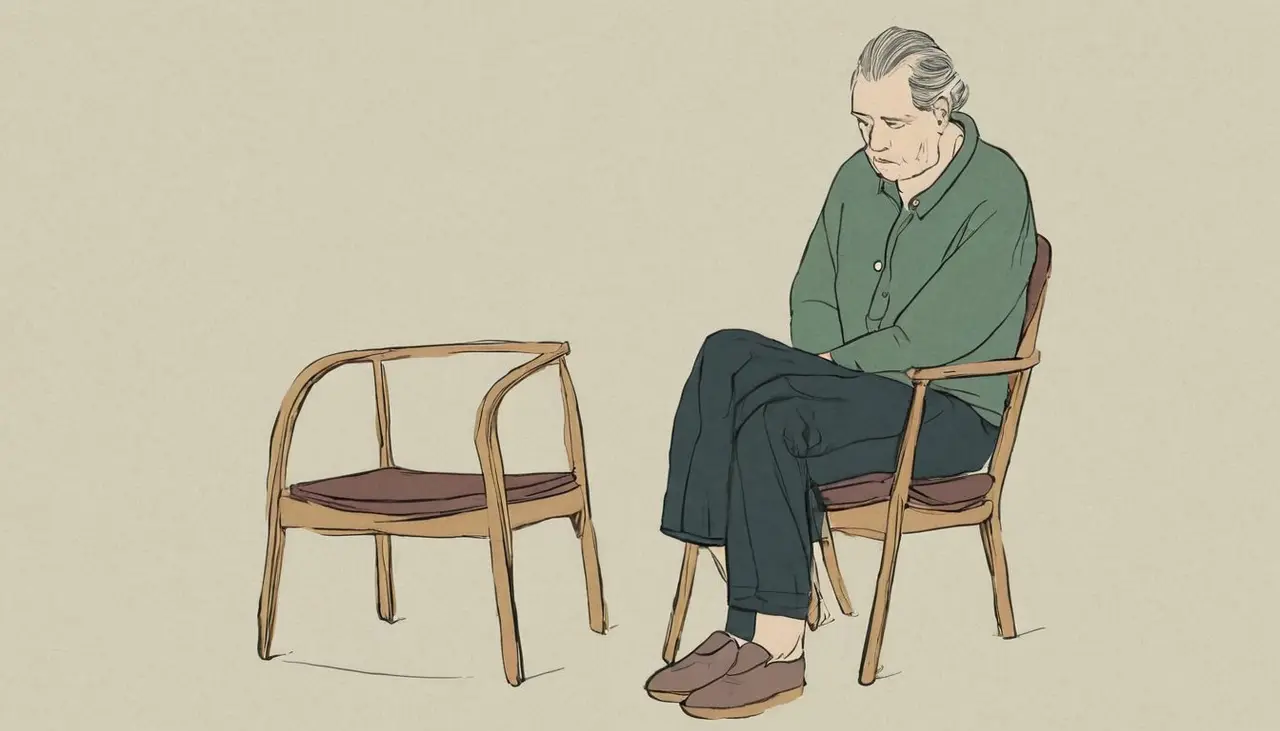
This is for you if the drink started as a way to get through one impossible night, and then the night kept coming back.
No one needs to scold you for wanting relief after a death. Grief can make the body feel lit up and hollow at the same time. It can make the evening feel too long, the house too quiet, the phone too still. A drink can seem like the nearest thing that turns the volume down.
The impulse makes sense. The cost is that alcohol does not carry grief away. It usually hands it back later, heavier.
The first thing to know
You are not strange for wanting the sharp edge dulled.
Alcohol can create a short window where the grief feels less immediate. The crying slows. Sleep looks possible. The hour passes. That short relief is exactly why the pattern can become sticky.
But the brain does not treat repeated heavy drinking as neutral relief. NIAAA's Core Resource on the brain in addiction and recovery describes a cycle where repeated heavy drinking delivers less reward over time while the stress side of the system grows stronger. In ordinary language: the drink may soften tonight, then make tomorrow's baseline more raw.
That can feel deeply unfair. You reached for the thing because grief was too much. Then the thing starts adding its own weight.
What alcohol does to the grief loop
Grief comes in waves. Alcohol can freeze one wave in place.
It can also disturb sleep, make the next day more anxious or flat, and leave you with the same loss plus the physical drag of drinking. If the pattern becomes nightly, the question can shift from "How do I survive this evening?" to "Why does every morning feel harder than the last?"
Research on co-occurring alcohol use and depression describes alcohol problems and depressive symptoms as capable of feeding each other. That is not a diagnosis of your grief. It is a warning about the loop: low mood can drive drinking, and drinking can deepen low mood. Why sadness cues a drink walks through how that first half gets learned.
None of this means you failed at grieving. Alcohol is simply a rough tool for a tender job.
No timeline, no homework
I am not going to tell you there is a correct timeline.
Some losses change the shape of a life. You do not owe anyone a clean return to normal. You do not need to turn grief into productivity, insight, or a polished story.
I am also not going to tell you that a few wholesome substitutes will make the loss feel small. A walk, a shower, soup, clean sheets, a phone call, sitting outside for ten minutes — these are not replacements for the person who is gone. They are ways to get through the next wave without making the next wave harder.
That is enough. Grief asks for small enough.
Gentler ways through an evening
When the drink is doing the job of numbing, the first replacement is not a perfect coping plan. It is friction.
Move the bottle out of reach before the hardest hour. Eat something plain. Put water next to the chair. Text one person a sentence that does not require a performance: "Tonight is rough. You do not have to fix it." Change rooms when the urge starts pairing itself with the same couch, same glass, same hour.
If you can, let the feeling move through the body instead of sealing it under alcohol. Crying, pacing, writing one ugly page, folding laundry, standing under hot water, or sitting with a pet are not dramatic tools. They are ways to stay present enough that grief does not have to be drowned to be survived.
And if the drinking is climbing, say that plainly. "I am drinking more since the loss" is a sentence a clinician, therapist, sponsor, trusted friend, or helpline can work with. "I am fine" gives them nothing to hold.
When support needs to be immediate
If grief brings thoughts of not wanting to be here, wanting to die, or feeling unsafe with yourself, do not wait for the feeling to pass by itself. The 988 Suicide and Crisis Lifeline is available by call, text, or chat for free, confidential 24/7 support. If someone is in immediate danger, call 911.
If the alcohol pattern is the part that is scaring you — drinking that keeps increasing, drinking in the morning, withdrawal symptoms, hiding how much, or feeling unable to stop once you start — SAMHSA's National Helpline can help with confidential treatment referrals at 1-800-662-HELP.
For related reading, see alcohol and depression, alcohol and loneliness, and managing stress without alcohol. If the loss is tied to a particular day or gathering, drinking at a wake or funeral and Father's Day when your dad is no longer here meet those moments directly. And if the loss is the end of a relationship rather than a death, drinking more after a breakup or divorce walks through those first weeks specifically.
The part to carry
The drink may be understandable. That does not mean it is kind to you.
If tonight is the only horizon you can see, make the next decision smaller than "fix my life." Make it "do not add alcohol to this one hour." Then the next hour can have its own decision.
— the Clero editorial team
This article is general education and emotional support, not therapy or medical advice. If you feel unsafe with yourself, call or text 988; if you drink heavily every day, talk with a licensed clinician before stopping suddenly.
- Body & physical health
Does Alcohol Affect Your Taste Buds and Sense of Smell?
Yes — alcohol really can change how things smell and taste, dulling some senses and sharpening others. What's moving, and what recovers if you cut back.
- Body & physical health
Why Sweat and Body Odor Smell After Drinking Alcohol
That morning-after smell is mostly acetaldehyde — a by-product of alcohol your body vents through sweat and breath. Why it happens and how long it lasts.
- Social events & holidays
Going Home When Old Friends Still Want to Drink
Going home to friends who still drink runs on an old script — but you can step off it without a speech. Five moves for the first night, from arrival to early exit.
- Social events & holidays
How to Handle Pride Events When You're Cutting Back on Drinking
A practical Pride Month pacing guide for brunches, parades, block parties, clubs, and house gatherings when you want the day to include less alcohol.
- Social events & holidays
How to Handle the Fourth of July When You're Cutting Back
A ten-hour Fourth of July pours itself unless you set edges first. Decide your leave time and drink number in the car, then keep a non-alcoholic can in hand.
- Helping someone who drinks
Grieving an Alcoholic Parent
Grief for an alcoholic parent can include anger, guilt, and relief. Make room for mixed memories, unfinished conversations, and support that fits.


Be the first to hear when Clero launches.
Join with email only. Clero is still in development, so this is educational content today — not treatment, a prescription request, or medical advice.
First to hear at launchLaunch news only — no spamUnsubscribe anytime