
Drinking in Retirement: When Open Afternoons Change Your Relationship With Alcohol
A respectful guide to why drinking can creep upward after retirement, how alcohol affects older adults differently, and how to rebuild structure.
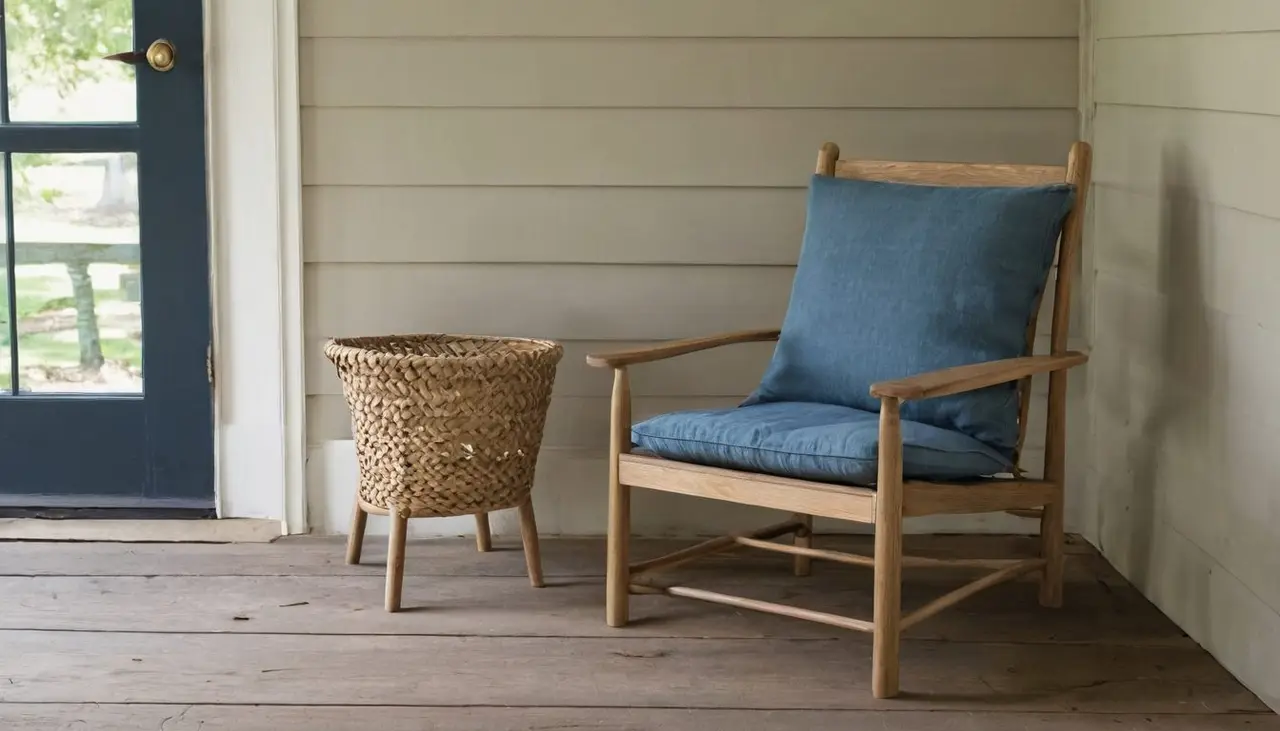
Retirement can change drinking because it removes the structure that used to make drinking wait. No commute, no early meeting, no coworker noticing lunch breath, no weekday rhythm that keeps five o'clock from drifting toward three.
Retirement does not cause alcohol problems by itself. The old scaffolding is gone, so the new scaffolding has to be built on purpose.
Why retirement changes the math
For decades, the workday may have done more than provide income. It set start times, end times, dry hours, outside accountability, and a reason to stop at a certain point. When those disappear, the first drink can move earlier without anyone making a formal decision.
NIAAA's older-adults page gives the population context: in 2024, 26.6 million people ages 65 and older, or 44.5% of that age group, reported drinking in the previous month. It also reports 6.8 million, or 11.4%, reporting binge drinking in the previous month, and 1.5 million, or 2.5%, reporting heavy alcohol use in that period.
Those are single-year survey estimates rather than a trend line, and they make the point: this is a common enough life-stage issue to name plainly. Respect matters here; nobody needs to be talked down to because the calendar changed.
The scaffold rebuild
The goal is not to recreate your job — it is to replace the invisible limits the job used to provide.
Set dry hours before the day starts
Choose a block of the day when alcohol is simply not part of the script. Morning to dinner. Lunch to sunset. Whatever fits your life. The point is to make "not yet" a settled rule instead of a fresh negotiation every afternoon.
Write it down where you will see it. A structure in your head is easy to edit.
Put one obligation after the danger hour
If four o'clock has become the slide, put something small and real after it: a walk with someone, a class, a standing call, a volunteer shift, a grocery errand, a grandchild pickup, a meeting, a shared dinner.
The obligation should not be heroic. It should be inconvenient to drink through.
If you live with someone, make the obligation specific enough that they can see it too: Tuesday library shift, Thursday dinner out, morning pickleball, Saturday hardware-store run. Vague structure dissolves quickly; named structure has a place to stand.
Replace the ceremony, not only the alcohol
Many retirement drinks are less about thirst than ceremony: the glass, the chair, the porch, the start of evening. Keep the chair if you want. Change the glass, the drink, the snack, or the sequence around it.
If cocktail hour is the only event left in the day, the answer is not to shame the drink. The answer is to build another event.
The replacement can still feel adult and pleasant. A real glass, a snack, music, a porch chair, a crossword, a walk, or a call with someone who does not revolve around drinking can keep the ceremony while changing the alcohol part.
Review medications with a professional
NIAAA notes that alcohol affects adults 65 and older differently, with age-related changes meaning the same amount can have stronger effects, and it names later-life risks such as falls. Medication interactions belong with your doctor or pharmacist, not a web search. Bring the actual list and ask directly how alcohol fits.
The body handles the same pour differently
The same amount can land harder with age. That can mean more imbalance, worse sleep, stronger next-day effects, and more risk from a fall. NIAAA's older-adult material puts those risks in the foreground for good reason.
The death data is sober context, not a scare tactic. CDC/NCHS reported 11,616 alcohol-induced deaths among adults 65 and older in 2020, with the age-adjusted rate rising from 17.0 deaths per 100,000 standard population in 2019 to 20.1 in 2020. The report notes that alcohol-induced causes exclude unintentional injuries and homicides.
Risk does not retire with the career. But risk can still be changed.
When the pattern needs outside help
Talk with a clinician if drinking has moved earlier, if you are drinking with medications, if you are falling or feeling unsteady, if a spouse or adult child has noticed a change, if you drink to steady yourself in the morning, or if cutting back feels physically unsafe.
The adjacent question is often, "Is this just boredom?" Sometimes boredom is part of it. So are loneliness, identity, habit, pain, sleep, and the sudden absence of a schedule. A better question is: what job is the drink doing now that work no longer does?
If the answer is boredom, build novelty. If the answer is loneliness, build contact. If the answer is pain or sleep, bring in a clinician. Alcohol can look like the answer to all three while making each one harder to sort out.
A small next move
Choose one week and rebuild one piece of scaffolding: dry hours, one after-four obligation, one alcohol-free evening ritual, or one clinician/pharmacist conversation. Do not redesign retirement in a day.
Change the structure first. The drinking pattern often follows the structure.
This article is general education, not medical advice or medication guidance; if you drink heavily every day or need alcohol to steady yourself, talk with a clinician before stopping abruptly.
- Mind & mood
Grief and Alcohol: When a Drink Becomes How You Get Through the Loss
A drink can turn grief's volume down for an hour, but it usually hands the loss back heavier. Why the relief flips — and gentler ways through the worst evenings.
- Family & relationships
Drinking More After a Breakup or Divorce? Why It Happens and What Helps
Why heartbreak can pull drinking up, how alcohol and low mood can feed each other, and a gentle first-weeks plan for steadier nights.
- Body & physical health
Alcohol and Restless Legs: Why Your Legs Won't Settle After Drinking
Why drinking can make your legs feel twitchy or hard to settle at night, how alcohol-fragmented sleep fits in, and when to raise it with a clinician.
- Quitting & sobriety
How To Stay Sober
Staying sober usually works better as a repeatable support structure than as a daily test of character. A practical, non-diagnostic guide to common pressure points and safer next steps.
- Cutting back & moderation
Is My Cutback Working When I Can't Feel the Difference Yet?
Why weeks three to eight of cutting back can feel like a plateau, and how to assess the change without chasing a guaranteed timeline.
- Understanding your drinking
Drinking in the Morning: Signs To Consider
A non-diagnostic, safety-first guide to morning drinking patterns, especially drinking to feel normal, relieve symptoms, hide a pattern, or get through the day.


Be the first to hear when Clero launches.
Join with email only. Clero is still in development, so this is educational content today — not treatment, a prescription request, or medical advice.
First to hear at launchLaunch news only — no spamUnsubscribe anytime