
Boredom Drinking When Nothing Else Feels Fun
Boredom drinking is a learned route, not a willpower problem. How to reroute the empty hour and why sober fun can feel flat at first.
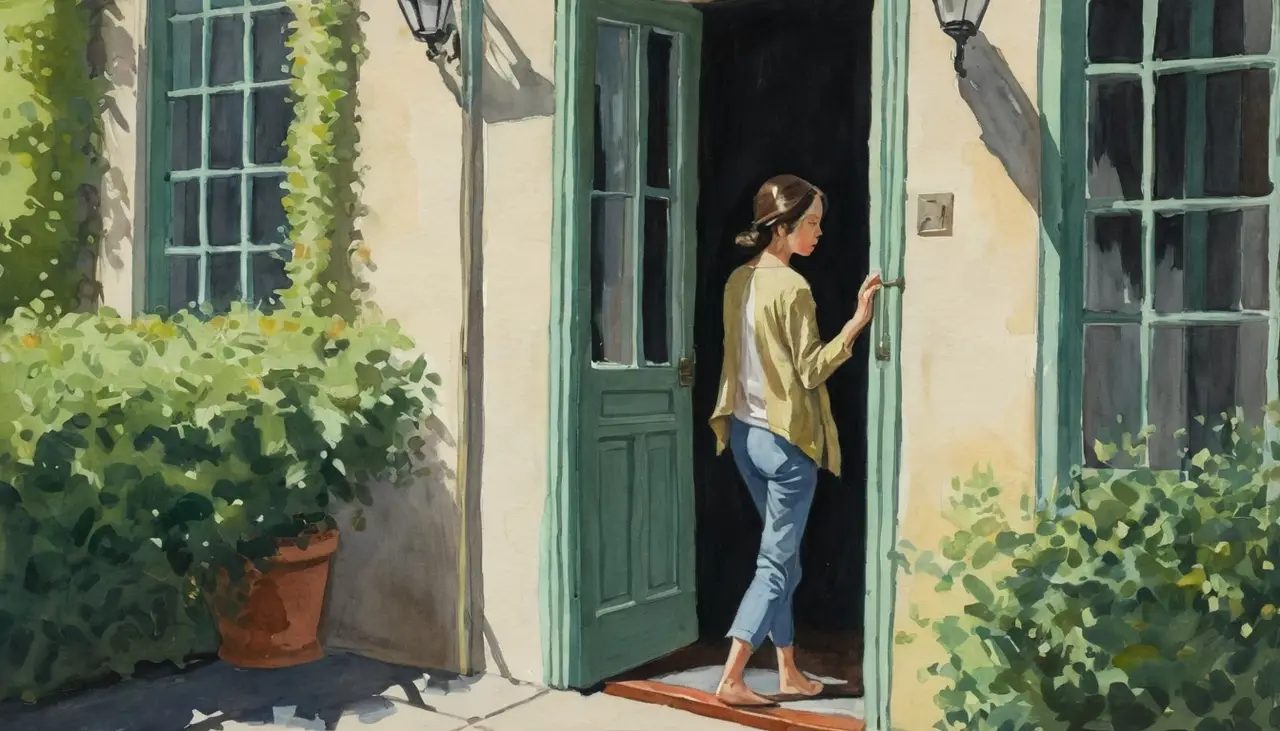
It's a Saturday around two in the afternoon. Nothing is planned. You've already checked your phone twice, opened the fridge once for no reason, and the day is just sitting there, wide and shapeless. Then the thought arrives, quiet and reasonable: a drink would make this feel like something. Not because you're upset. Just because the hour is empty and that's the fastest way to fill it.
Here's the thing worth knowing before you pour: that pull isn't a character flaw or a willpower problem. It's a route. Your brain found an exit off the empty-hour highway once, it worked, and now every empty hour signals for the same exit. Routes can be rerouted. That's the whole idea of this piece — a small method for taking a different exit when the road opens up.
I'll call it the Reroute. Picture the unstructured stretch as a road with exactly one off-ramp you always take. You're not trying to demolish the road or become someone who loves errands. You're just building a second exit and getting off one stop earlier, before the autopilot kicks in.
Why the empty hour points at a bottle
A craving is a cue plus a habit, running mostly below conscious thought. The cue here isn't sadness or stress — it's the absence of structure. Nothing has edges, so the day drifts, and alcohol becomes the easiest way to turn a dull hour into an event. Do that a few dozen times and the cue and the response fuse: empty hour, therefore drink, no deliberation required.
That fusing is why it feels automatic. It's also why it's workable. SMART Recovery, a secular mutual-help program, builds one of its four core areas entirely around coping with urges and cravings — which tells you two useful things. First, this is common enough to be a whole category of skill. Second, an urge is a thing you can learn to sit beside rather than obey. It tends to rise, crest, and fade if you don't feed it. The Reroute mostly buys you the few minutes it takes to crest.
One quick way to see your own road clearly: for a week, count in standard drinks, not glasses or pours. A U.S. standard drink is 0.6 fluid ounces — about 14 grams — of pure alcohol, which is smaller than most people pour. NIAAA describes binge drinking as a pattern that usually brings blood alcohol to about 0.08 percent — often five or more drinks for men, or four or more for women, in roughly two hours — but that names a pattern, not a switch where harm turns on. When the empty-hour count climbs fast, that's information, not a verdict. Risk from drinking rises with how much and how often, not at one universal line, and it lands differently depending on your body, your history, and what else is going on. There's no single safe-for-everyone number. Counting honestly just shows you the shape of the pattern so you know which hour to reroute first.
The Reroute, step by step
Four moves. Do one at a time. None of them require you to feel motivated or to have a better weekend planned.
Spot the on-ramp
The pull has a launch point, and it's earlier than the drink. Usually it's a specific handoff: work ends, the errand's done, lunch is cleared, and the next thing has no shape. Name that seam out loud — "okay, this is the two o'clock gap." You're not fighting the urge yet. You're just catching the road before the off-ramp, when you still have steering. Do it now: think back to last weekend and pinpoint the exact hour the thought first showed up.
Get off one stop early
The strongest cue is often the room you're standing in. The couch, the kitchen, the same window. So change the scenery for the first thirty minutes — leave the house, walk the block, sit somewhere that isn't the drinking spot. You're not committing to an activity. You're just breaking the your-body-here-means-drink association long enough for the urge to crest and start fading. Do it now: pick one nearby place you could walk to in ten minutes.
Put a small shape on the block
An unstructured hour is the cue, so hand it a mild edge and the cue softens. Not a productive-day fantasy — one concrete thing with a start: a two o'clock walk, meal prep, a specific errand, a call to one person, a movie you'll actually start. The shape matters more than the content. Ordinary is fine; ordinary is the point. Do it now: write down the single next block on your calendar with a time attached.
Push the first decision later
You don't have to decide never. You just have to decide not yet. Move the first-drink question to a later, clearer moment — after the walk, after dinner, after the restless part passes — and make the choice then instead of on autopilot at two. While you're at it, put the alcohol somewhere less reachable for the test window; a little friction buys you the same few minutes. Do it now: pick tonight's "I'll decide at ___" time and say it to yourself.
Small language swap: treat the empty afternoon as time that hasn't been assigned yet, not as nothing to do.
When boring really means flat
There is an adjacent question the Reroute alone does not answer: what if everything feels dull without alcohol? If drinking has been the fastest way to turn empty time into an event, ordinary things can feel underpowered while the reward system readjusts.
One Alcohol Research review describes alcohol as affecting brain reward and stress systems, and the National Institute on Drug Abuse (NIDA) treatment-and-recovery overview frames recovery as a process rather than a switch. Mood timeline: how long it takes to feel better after cutting back; reward mechanism: why do I crave alcohol; and if the flatness is the whole objection, why we hate being sober stays on that question.
Do not ask a new activity to feel amazing right away. Ask it to take up the first ten minutes or reduce the drink count.
When the Reroute doesn't work
Some afternoons it won't. You'll do the walk, put the shape on the block, and still pour at two — and that's worth saying plainly, because a method that pretends otherwise isn't honest. One rerouted-then-not afternoon is not a verdict about you or about whether this can work. It's one data point on a long road.
The move on those days is to get curious instead of down on yourself. Ask what the cue really was this time. Was it the time of day? Being alone? The specific room? A stretch where genuinely nothing sounded worth doing? Each answer points somewhere different. A time-of-day cue wants a standing calendar block. A being-alone cue might want one scheduled text or call. A room cue wants a change of location. And a flat "nothing sounds worth doing" that's showing up outside drinking decisions too — in work, friends, the things you used to like — is worth naming to a clinician, because that can be something other than boredom. If that flatness turns into hopelessness or feeling unsafe with yourself, call or text 988.
If your cue is really the end of the workday rather than the open weekend, instead of drinking after work fits better. If it's a recurring weekend pattern, weekend drinking when it stops feeling fun is closer. If it's stress underneath the boredom, try how to drink less when stressed. If the empty hour usually turns into a long gaming session with a drink between matches, drinking while gaming looks at that exact loop — including why it can feel like better play. And for the raw moment the urge lands, how to handle alcohol cravings and urges is the full kit.
Back to the empty hour
Next Saturday around two, the road will open up the same way, and the old off-ramp will still be right there, still reasonable-sounding. That part doesn't change on a schedule. What changes is that you've built a second exit and you know where it is: catch the on-ramp, get off one stop early, put a small shape on the block, push the decision later.
Pick one upcoming empty hour this week and write the first ten minutes of it before it arrives. Afterward, jot down the cue, the standard-drink count if you drank, and one thing you noticed. That's the whole reroute — one hour, one exit, one note. You don't need to enjoy the afternoon for it to count. You just need to steer.
This is general education, not a diagnosis or a treatment plan, and not a promise that slow afternoons get easier on a schedule. If changing your drinking ever feels physically unsafe, talk with a licensed clinician; use 988 for self-harm thoughts, 911 for severe withdrawal symptoms, and SAMHSA's National Helpline at 1-800-662-HELP for confidential referral support.
- Social events & holidays
How to Handle Thanksgiving When You're Cutting Back on Drinking
Thanksgiving is an all-day drinking cue: plan the timeline, family lines, and first sober holiday pressure before the table fills.
- Social events & holidays
How to Handle the Fourth of July When You're Cutting Back
A ten-hour Fourth of July pours itself unless you set edges first. Decide your leave time and drink number in the car, then keep a non-alcoholic can in hand.
- Family & relationships
How to Tell an Adult Child You're Cutting Back on Drinking
Tell an adult child you're cutting back with a postcard, not a speech: what's changing, what it means for the next visit, and what you're asking for. Nothing else.
- Mind & mood
Alcohol and Anger Outbursts
Alcohol lowers restraint, which can make anger outbursts easier to act on — and the next-day rebound explains why the morning after feels so raw.
- Family & relationships
When a Loved One Asks You to Pass Messages to Estranged Family
Passing a message can feel neutral, but it can bypass another adult's no. Decline relaying, keep relationships separate, and route emergencies.
- Cravings & triggers
Breathing Techniques for Alcohol Cravings and Stress: A Practical Guide
Breathing can create a pause during stress or an alcohol urge, but it is a coping tool, not treatment. Try a comfortable Pause–Name–Move reset.


Be the first to hear when Clero launches.
Join with email only. Clero is still in development, so this is educational content today — not treatment, a prescription request, or medical advice.
First to hear at launchLaunch news only — no spamUnsubscribe anytime