
Weekend Drinking When It Stops Feeling Fun
A moderation-valid guide to noticing when weekend drinking starts costing more than it gives back, with small experiments for the next weekend.
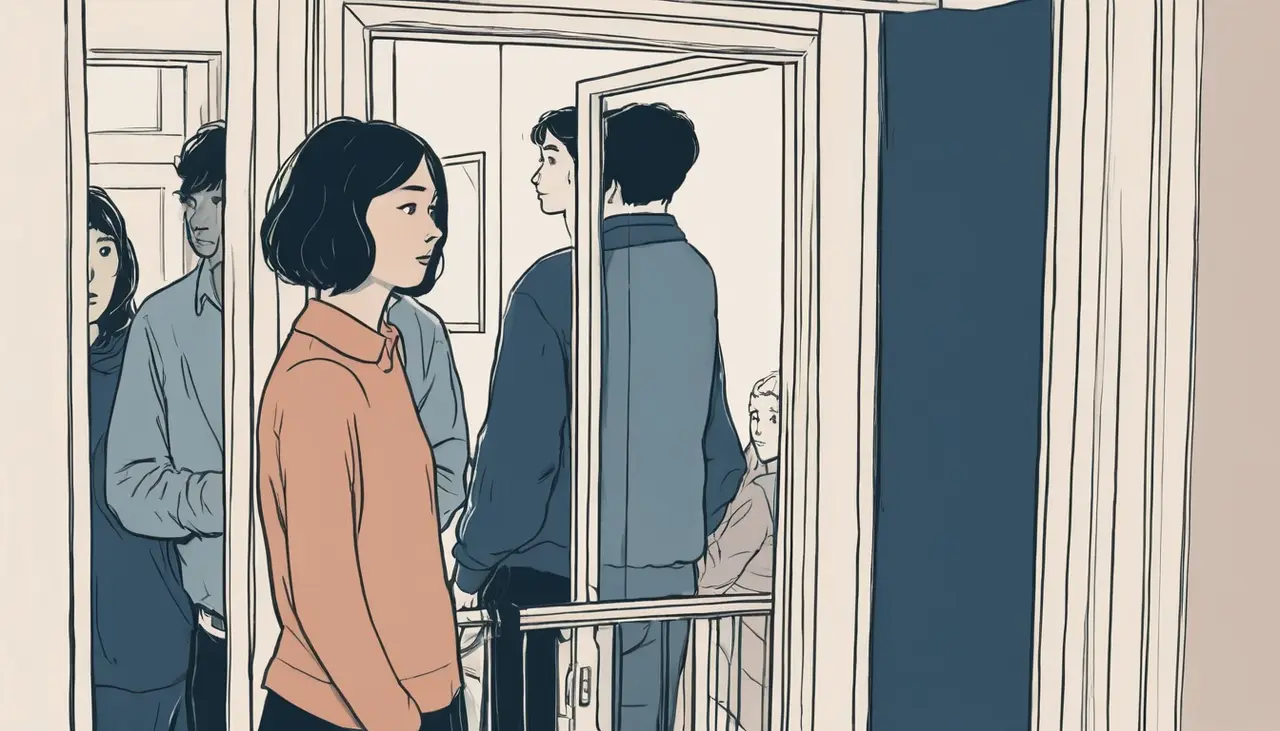
The bottles are lined up on the counter the way they always are, and the playlist is the one that used to make the whole night tilt forward. Someone hands you the first glass. You take it, you say the thing you always say, and for a second you wait for the lift — the small internal click that used to come with it. This time it is late. This time it does not quite arrive.
You drink it anyway. You pour the second one. And somewhere between the second and the third you catch yourself doing a small, private piece of math: how you will feel tomorrow, and whether tonight is going to be worth what tomorrow charges for it.
That is the moment. Not a crisis, not a rock bottom — just a quiet accounting that did not used to be part of the evening. For years the weekend was the reward. You held the line Monday through Friday and let Saturday come loose on purpose. The looseness was the point. What changes, when it changes, is not usually the drinking. It is the ratio. The fun gets shorter and the recovery gets longer, and one night you notice the two have quietly swapped sizes.
Nobody announces it. There is no last good weekend that arrives with a label on it. Instead there is a slow migration of the good part toward the front of the night and the cost toward the back, until the whole thing has tipped and you are the last to be told.
Part of what you are feeling is real, and it is written into the chemistry of the night itself. A drink helps you fall asleep faster — that part is true, and it is why the ritual feels earned. But the sedation is a loan, not a gift. Researchers who study alcohol and sleep describe how it speeds sleep onset but leaves the second half of the night lighter and more broken, so overall sleep quality drops even when the hours on the clock look the same. You went down early and easy. You surfaced at four in a body that had been working the whole time, and the tiredness you carry into Sunday is not laziness. It is a debt coming due.
So the receipt you have started dreading has a real author. It is not your character. It is the second half of the night, collecting.
There is a temptation, once you notice this, to reach for a verdict. To decide that you have a problem, or that you do not, and to make the whole murky thing snap into a clean shape. The pull toward a label is understandable — a label ends the not-knowing. But the label is usually the wrong tool for this particular moment, because what you are standing in is not a diagnosis. It is a renegotiation.
An old agreement is coming up for review. The agreement said: the week is hard, and this is how you are paid back. For a long time that agreement held. Now the terms have shifted — the pay is thinner, the interest is higher — and the honest move is not to swear an oath or to defend the old deal to the death. It is to look at the arithmetic plainly and ask what you are actually getting now.
Part of that arithmetic is just knowing the size of the thing you are weighing. It is easy to say a couple of drinks and mean something much larger; a generous pour of wine or a strong cocktail can be closer to two of what NIAAA counts as a standard drink — 0.6 fluid ounces, or 14 grams, of pure alcohol — than to one. Counting is not a moral act. It is just turning the lights on in a room you have been moving through in the dark, so the trade you are making stops being a feeling and becomes a number you can look at.
Here is the thing the accounting keeps circling without ever quite saying. The question that sounds like am I drinking too much is usually standing in front of a quieter one, and the quieter one is: what was this ever for?
Because the drink was never only the drink. It was the border between the workweek and your own life. It was the permission to stop performing. It was the thing that made a room feel warmer and a joke land softer and the silence less like a job to fill. When the lift stops arriving on time, none of those needs disappear. They just come to the surface without their usual answer, and for a while the weekend feels strange and exposed, like a stage with the set half struck.
That exposure is uncomfortable, and it is also the most useful thing that has happened to your Saturday in years. It shows you what the drink was carrying. The border, the permission, the warmth — those were real needs, and now you can see them clearly enough to meet them some other way, or to decide that this particular way still costs less than it gives. Either answer is allowed. The point is that you are choosing it now instead of inheriting it.
You do not have to do anything dramatic with any of this. The change, when it comes, tends to be almost too small to photograph.
Maybe next Saturday you pour the first drink an hour later than the night wants you to, just to see what the extra hour holds. Maybe you decide in advance what you want Sunday morning to still have in it, and let that decision quietly govern the night before it. Maybe you leave one gathering before the room starts its usual late bargaining, and drive home under a sky you have not seen sober in a long time. None of these is a renunciation. Each one is just a small experiment in getting a Sunday back — and if you want more of them, five tactics for reducing Friday-to-Sunday drinking collects the ones with evidence behind them.
And maybe the truest sign that something has shifted is this: the night no longer gets the only vote. There is a version of you at the counter reaching for the first glass, and now there is another version, the one who will wake at four and the one who will have to spend Sunday, and for the first time in a long while that second person is in the room, and gets to speak.
That is not sadness, though it can wear sadness's coat for an evening. It is the beginning of the weekend belonging to you again — the whole of it, Friday night and Sunday morning both, counted in the same currency and spent on purpose. The fun is not gone. It has just stopped being free, and you have finally started reading the price.
This is general education, not medical advice. If a stretch without alcohol has ever brought on shaking, confusion, hallucinations, or a seizure, treat it as a medical emergency and call 911. If you ever feel unsafe with yourself, call or text 988 for the Suicide & Crisis Lifeline. And if you want to talk the pattern through with someone, a licensed clinician or SAMHSA's free, confidential line at 1-800-662-HELP can help you find a place to start.
- Understanding your drinking
Rethinking Your Relationship With Alcohol Without Forcing a Label
A reflective, moderation-valid guide to noticing the role alcohol plays in your life and deciding what kind of change to test next.
- Cutting back & moderation
How to Stay Motivated When Cutting Back on Drinking
A grounded guide to motivation dips during a cutback attempt, with small next steps and no willpower-test framing.
- Social events & holidays
How to Handle Labor Day Weekend When You're Cutting Back
Cutting back on Labor Day starts with a plan for each gathering. Set an arrival and exit time, count actual pours, and have a reply ready for refills.
- Understanding your drinking
Signs You Are Drinking More Than You Meant To
A low-stakes self-check for noticing drinking drift without using a quiz, a label, or diagnosis language.
- Social events & holidays
How to Handle Pride Events When You're Cutting Back on Drinking
A practical Pride Month pacing guide for brunches, parades, block parties, clubs, and house gatherings when you want the day to include less alcohol.
- Tools & resources
Weekly Drinking Review Template
A five-prompt paper template for reviewing your drinking week without an app, score, diagnosis, or public commitment.


Be the first to hear when Clero launches.
Join with email only. Clero is still in development, so this is educational content today — not treatment, a prescription request, or medical advice.
First to hear at launchLaunch news only — no spamUnsubscribe anytime