
Weekend Binge Drinking: 5 Evidence-Informed Tactics to Reduce Friday-Sunday Alcohol
A Friday-Sunday planning framework for weekend binge drinking that translates the pattern into standard-drink language and gives five non-clinical tactics.
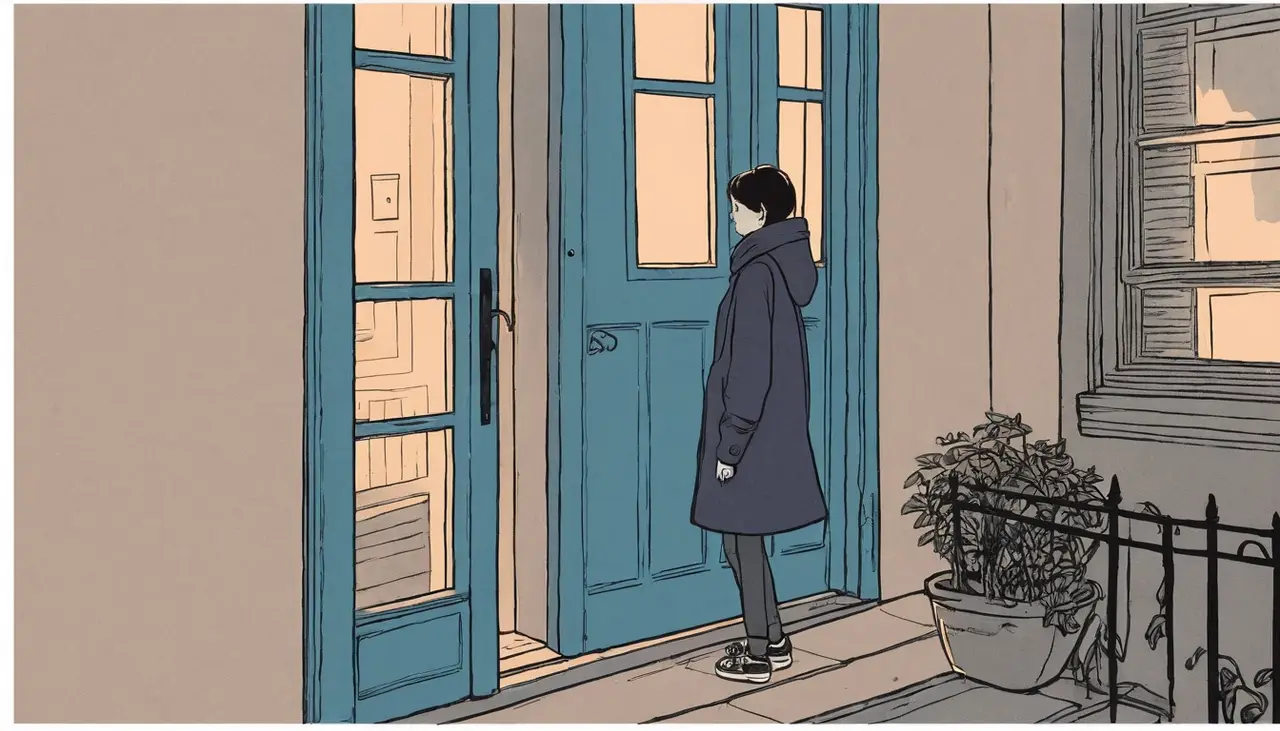
Friday evening has a different sound. The laptop closes, the week loosens its grip, and the first drink can feel less like a decision than a doorway into the weekend.
If that doorway keeps turning into more alcohol than you meant to drink, the useful move is not to scold yourself on Monday. It is to map the gates before Friday arrives.
The Friday-Sunday Gate Map
Weekend binge drinking often survives because the workweek looks controlled. Monday through Thursday may be ordinary. Friday through Sunday may be where the pattern lives.
The Friday-Sunday Gate Map is a simple way to plan before the first drink changes the room. Think of the weekend as a series of gates: the first invitation, the first pour, the refill, the late-night turn, and the Sunday reset. Each gate gets one decision made ahead of time.
It is a behavioral map, not a cure, for a pattern that often starts before the first drink.
Why weekends deserve their own plan
Weekend-only does not mean harmless. NIAAA defines binge drinking as a pattern that typically brings blood alcohol concentration to 0.08% or higher, often 5 or more drinks for males or 4 or more drinks for females in about 2 hours.
The scale is large. NIAAA's 2024 NSDUH summary estimated that about 57.0 million U.S. adults reported past-month binge drinking. CDC's excessive-drinking data page says over 90% of U.S. adults who drink excessively report binge drinking.
Those numbers explain why a Friday-Sunday pattern is still a real pattern. NIAAA's economic-burden overview also says about three quarters of the 2010 cost of alcohol misuse was related to binge drinking, a reminder that episodic drinking can carry population-level weight even when it is not daily.
A fair question to ask here: is a heavy weekend really different from a few drinks spread across the week? They are two different patterns, and public-health bodies track them separately. The CDC describes binge drinking by the single occasion — 4 or more drinks for women or 5 or more for men at one sitting — and heavy drinking by the week, 8 or more drinks for women or 15 or more for men. Neither is a clean bill of health for the other. The concentrated weekend load pushes blood alcohol high enough that the risks that come with a single heavy session — falls, injuries, unsafe driving, blackouts — cluster into a few hours. Steady lighter drinking spreads the total out but keeps alcohol a near-daily habit, and the WHO states there is no level of alcohol use that is safe for health. The point is not to crown one worse. It is that a weekend-only pattern is its own thing, worth planning for on its own terms.
Now map the gates.
Gate 1: Set the weekend before the weekend starts
Do not wait until the first drink to decide what kind of weekend you want. That is the point of the first gate.
On Thursday or Friday morning, write a one-line plan for Friday, Saturday, and Sunday. Keep it practical: where alcohol is likely to appear, what time the first drink would usually happen, and what one part of the evening you want to keep intact.
Do-it-now action: send yourself a calendar note called "Friday gate." In it, write one sentence: "The part of the weekend I do not want alcohol to take over is ____."
The sentence matters because it names the thing you are protecting before the weekend starts persuading you otherwise.
Gate 2: Move the first pour later
The first drink is not just one drink. For many people, it is the moment the weekend switches tracks.
Moving the first pour later can change the shape of the night without requiring a grand declaration. Eat first. Shower first. Take a walk first. Start the movie first. Call someone before the first drink, not after the third.
Do-it-now action: pick one "before alcohol" anchor for Friday. It should be specific enough that you know whether it happened: dinner, walk, laundry, shower, call, grocery run, or a planned hour outside the drinking setting.
This gate is not about proving discipline. It is about changing the sequence.
Gate 3: Break the refill rhythm
Refills often happen faster than decisions. The glass empties, the hand moves, and the night keeps going because nothing interrupted it.
Build one interruption into the refill rhythm. Put the bottle away between pours. Use a smaller glass if that fits the setting. Keep a non-alcoholic drink visible. Step outside before another round. The point is not the object; the point is the pause.
Do-it-now action: choose one physical pause before the next refill. Say it plainly: "Before another drink, I stand up and do one non-drinking thing."
The pause gives tomorrow's self a chance to re-enter the room.
Gate 4: Name the late-night turn
Many weekend drinking patterns have a turn. It may be the second location, the group text, the last call, the bottle opened at home, or the moment everyone else slows down and you do not.
Name that turn before it arrives. "After midnight is where this changes." "The second place is where I stop tracking." "The after-party is not neutral for me." A named turn is easier to notice than a vague intention.
Do-it-now action: write the sentence you want to remember at the turn. Short is better. "Second location, second decision." "Midnight counts." "Home drinks count too."
This is the gate most people skip because it feels too specific. Specific is the point.
Gate 5: Protect Sunday from becoming repair day
If Sunday keeps getting used to repair Friday and Saturday, the weekend pattern is costing more than the drink count shows.
Make Sunday a gate, not a punishment. Put one ordinary thing on the calendar that alcohol has been stealing: a morning walk, a real breakfast, a clean kitchen, a call, a workout, a quiet errand, a few hours of work that do not begin in panic.
Do-it-now action: schedule one Sunday anchor before the weekend starts. Do not make it heroic. Make it small enough that it can survive an imperfect Friday.
The goal is not a perfect weekend. It is a weekend with fewer automatic doors.
When the map is not enough
Some weekends will still run rough. That does not mean the whole map is useless. It means the pattern may need more support, more safety planning, or a clinician's input.
If weekend drinking includes blackouts, injuries, unsafe driving, frightening mood changes, or daily heavy drinking, move the question out of private planning and into professional support. A clinician can help you weigh whether something beyond planning would help, including whether a medication is worth discussing. If you do not have one to start with, Clero connects you with a licensed clinician by telehealth who can talk through where a weekend pattern sits and what options fit.
A few of those cues are more urgent than a planning problem. If stopping or cutting back has ever brought on shaking, sweating, a racing heart, confusion, or a seizure, treat that as a medical emergency — call 911 or go to an emergency room, because withdrawal on that scale can be dangerous to ride out alone. Short of that, if you drink heavily every day or feel afraid to stop, do not make an abrupt change on your own; SAMHSA's National Helpline is free and confidential, 24/7, at 1-800-662-HELP for treatment referrals and safety guidance.
Back to Friday
The weekend does not begin with the last drink. It begins with the first gate.
Before Friday arrives, pick one gate to map. Not all five. One. A weekend pattern that has been running on autopilot usually changes first at the place where autopilot gets interrupted.
FAQ
Does weekend binge drinking count if weekdays are controlled?
Yes, it can still be a meaningful pattern. Binge drinking is defined by amount and timing, not by whether it happens every day.
Are these tactics treatment?
No — they are planning tools for a behavior pattern, and they work best early. Medical risk, withdrawal risk, and a persistent loss of control over drinking are a different order of problem, and that is where a licensed clinician comes in.
What if Friday is not the hard day?
Use the same gate map around the day or setting where drinking usually changes. The framework is about sequence, not the calendar.
This is general education about a weekend drinking pattern, not medical advice, a detox or taper plan, or a substitute for care from a licensed clinician.
- Social events & holidays
How to Handle a Camping Trip When You're Cutting Back
A practical camping-trip framework for cutting back when the cooler, campfire, and remote weekend all make drinking feel built into the plan.
- Understanding your drinking
I Drink Every Night. Am I an Alcoholic?
A non-diagnostic self-assessment explainer for nightly drinking, standard drinks, binge and heavy-drinking definitions, and when to ask a clinician.
- Understanding your drinking
What Happens If You Drink a Bottle of Wine a Day?
A number-first brief that translates a bottle of wine into U.S. standard drinks, explains why daily patterns matter, and routes safety questions to a clinician.
- Medication & treatment
How to Drink Less Without AA: A Practical Cutback Framework for People Who Aren't Doing a Program
Drinking less without AA works best as four weekly jobs: measure honestly, plan a number, prepare for the hard moment, and check in.
- Quitting & sobriety
How To Stay Sober After Recovering From Alcoholism
A maintenance-focused explainer for staying sober after alcohol problems, using non-stigmatizing language and no relapse prediction or prescribed path.
- Understanding your drinking
Weekend Drinking When It Stops Feeling Fun
A moderation-valid guide to noticing when weekend drinking starts costing more than it gives back, with small experiments for the next weekend.


Be the first to hear when Clero launches.
Join with email only. Clero is still in development, so this is educational content today — not treatment, a prescription request, or medical advice.
First to hear at launchLaunch news only — no spamUnsubscribe anytime