
Why Do My Feet and Ankles Swell After Drinking?
Puffy feet or ankles after drinking usually trace to fluid shifts, salt, and stillness overnight. What helps it settle — and when swelling needs a check.
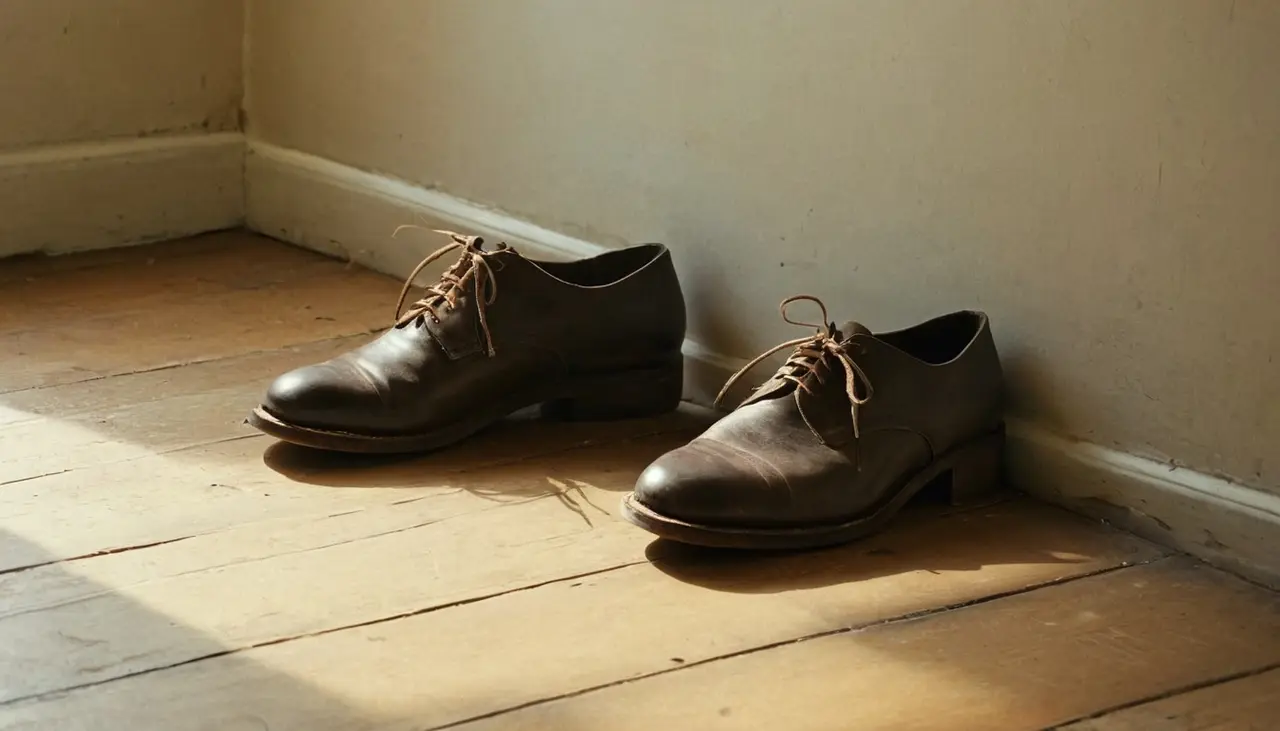
Yes, puffy ankles and tight shoes the morning after drinking are a thing a lot of people notice — and most of the time it is mild, temporary, and worth understanding rather than panicking over.
You slide your foot into the same shoe that fit fine yesterday, and today it pinches across the top. The sock line sits deeper than usual. In a photo your ankles look a little rounder than you remember. If that is the morning you are having, the short answer is that alcohol can nudge the way your body handles fluid, and for some people that shows up in the feet and ankles a day later. The longer answer — including the handful of signs that mean this is not a wait-and-see morning — is below.
Why do my feet swell the day after drinking?
Because alcohol shifts how your body holds and moves fluid, and gravity does the rest. Your feet and ankles are the lowest point when you are upright, so any extra fluid that is hanging around tends to pool there first. That is why the same puffiness you might feel as a vaguely bloated middle can read as a tight shoe by mid-morning.
Two things are worth separating here. Alcohol is often described as something that dries you out, and it can — but it is not that simple. In a diet-controlled crossover trial, stronger drinks like wine and spirits raised urine output for a few hours but not over a full 24 hours, while beer behaved no differently from non-alcoholic beer. So the tidy "alcohol just dehydrates you" story is only part of it. Once the early fluid loss settles, your body can swing the other way and hold on to fluid, and that rebound is part of what you may be feeling underfoot.
The other piece is that alcohol touches body systems that manage fluid balance more broadly. NIAAA's overview of alcohol and the body describes effects on the hormone and cardiovascular systems, both of which sit close to how fluid is distributed. You do not need to track any of that in detail. The takeaway is that a day-after puffy-feet pattern has a plausible place in the picture, without alcohol being the whole story.
Is this the same as feeling bloated?
Not exactly, though they can travel together. Bloating usually means your belly feels full or distended, often from gas or fluid around the middle. Foot and ankle swelling is fluid settling low in the body under gravity. You can have one without the other, and you can have both after the same night.
What matters more than the label is where the swelling sits. Swelling that shows up evenly in both ankles after a heavier-than-usual night reads differently from swelling that looks different on one side, or that comes with the warning signs a little further down. So notice where it is, not just that it is there.
How much did you actually drink?
More than the words "a few glasses of wine" tend to admit — which is exactly why the amount is worth pinning down when you compare one morning to another. A U.S. standard drink is 0.6 fluid ounces, or 14 grams, of pure alcohol, and a generous home pour can be closer to two of those than one. A night that felt like "three drinks" can quietly be five or six.
There is no single amount that switches swelling on for everyone, and no amount that guarantees you avoid it. How your body responds depends on your own physiology, what else you ate and drank, how much you moved or sat, sleep, salt, and any health conditions in the background. Amount matters, and it tends to matter more the more often heavy nights repeat — but it is one input, not a threshold. If you want a rough anchor for comparing weeks, the CDC describes moderate drinking as two drinks or less in a day for men and one or less for women. That is a public-health reference point, not a personal swelling rule.
When is swelling after drinking not just a hangover thing?
When it is one-sided, painful, or comes with breathing or chest symptoms — that combination points away from a harmless day-after pattern and toward same-day or emergency care. Get seen promptly if you notice any of these:
- One leg, not both: one calf or ankle that looks or feels different from the other can signal a blood clot, which is not something to watch and wait on.
- Swelling plus your chest or breath: shortness of breath, chest pain, or trouble breathing alongside swelling needs urgent evaluation — call 911 or go to an emergency room.
- Sudden weight gain or ballooning: puffiness that climbs up the legs or shows up as fast, unexplained weight gain deserves a same-day call to a clinician.
- Yellowing skin or eyes: a yellow tint to the skin or the whites of the eyes points to the liver and should be checked without delay.
- New, persistent, or worsening: swelling that does not fade, keeps coming back, or is getting worse over days belongs in a clinician's hands, not a comments thread.
None of these are meant to alarm you out of a mild, one-off puffy morning. They are the short list that changes the plan from "notice and track" to "get it looked at now."
Will cutting back make the swelling go away?
Maybe — for some people fewer heavy nights mean fewer tight-shoe mornings, and for others the swelling barely changes. Both are useful to know. If the puffiness eases when the heavy nights thin out, that is a decent sign alcohol was part of the pattern. If it does not budge, that is also information: it suggests something else deserves a closer look, and it is worth bringing to a clinician rather than chalking up to drinking.
If you do want to watch this deliberately, track the whole week rather than only the morning after the worst night, and note what tends to travel with the swelling: the standard-drink count, salty food, a long flight or drive, hours on your feet or stuck at a desk, and sleep. Patterns show up over weeks, not single mornings.
Keep home fixes in their lane. Elevating your feet or choosing lower-salt food on the next drinking night can help you read whether the pattern is mild and situational, but compression, water pills, salt targets, or treating one-sided swelling are different categories. Those depend on why the fluid is there, so use the pattern note for a clinician rather than guessing from a mirror check.
Bringing it up without overthinking it
The most useful move is a plain sentence, said early. Something like: "My feet and ankles swell the day after I drink, and I want to know whether it matters." That gives a clinician the two facts they need — the pattern and your honest read on the drinking — without you having to diagnose yourself first.
If shame is the thing slowing you down, you are not imagining that pull. NIAAA describes stigma as a real barrier to getting help for alcohol-adjacent symptoms, which is exactly why keeping the opening line simple and factual helps. If you do not have a clinician to raise it with, Clero connects you with a licensed clinician by telehealth who can talk through whether the pattern is worth a closer look. And if a symptom on the urgent list above is present, skip all of this and get same-day or emergency care.
For related body-signal reading, see drinking and feeling puffy or bloated, why you crave salt after drinking, does alcohol make you bruise easily, alcohol and blood pressure, and alcohol and your liver.
This page is general education about a common day-after symptom, not a diagnosis or a treatment plan; new, persistent, one-sided, or breathing-related swelling is a reason to see a clinician or seek emergency care rather than to keep reading.
- Hangovers & the day after
Why Am I Clumsy and Off Balance the Day After Drinking?
Feeling clumsy or off balance the day after drinking is real — dehydration, low blood sugar, and broken sleep all dull coordination. What helps, and when to worry.
- Body & physical health
Why You Get Sugar Cravings After Drinking Alcohol
Sugar cravings after drinking are mostly mechanical: blood sugar dips, the liver puts alcohol first, and the brain reaches for a fast reward. What helps next day.
- Mind & mood
Alcohol and Anger Outbursts
Alcohol lowers restraint, which can make anger outbursts easier to act on — and the next-day rebound explains why the morning after feels so raw.
- Body & physical health
Why Do I Pee All Night After Drinking Alcohol?
Alcohol has you peeing all night two ways: stronger drinks raise urine output for a few hours, and lighter sleep wakes you when a full bladder usually wouldn't.
- Mind & mood
Alcohol and Vivid Dreams When You Cut Back
Vivid dreams after cutting back are usually REM rebound, not withdrawal. Why the dreams get so loud, how long the phase tends to last, and the signs that need care.
- Hangovers & the day after
Drinking and Your Hands or Shakiness the Day After
How to think about shaky hands after drinking, the difference between lower-stakes patterns and withdrawal warnings, and when to call 911.


Be the first to hear when Clero launches.
Join with email only. Clero is still in development, so this is educational content today — not treatment, a prescription request, or medical advice.
First to hear at launchLaunch news only — no spamUnsubscribe anytime