
Drinking and Your Skin the Morning After
Drinking can show on your skin the morning after — puffy eyes, lingering redness, dryness, even breakouts a day or two later. What fades, and what's worth tracking.
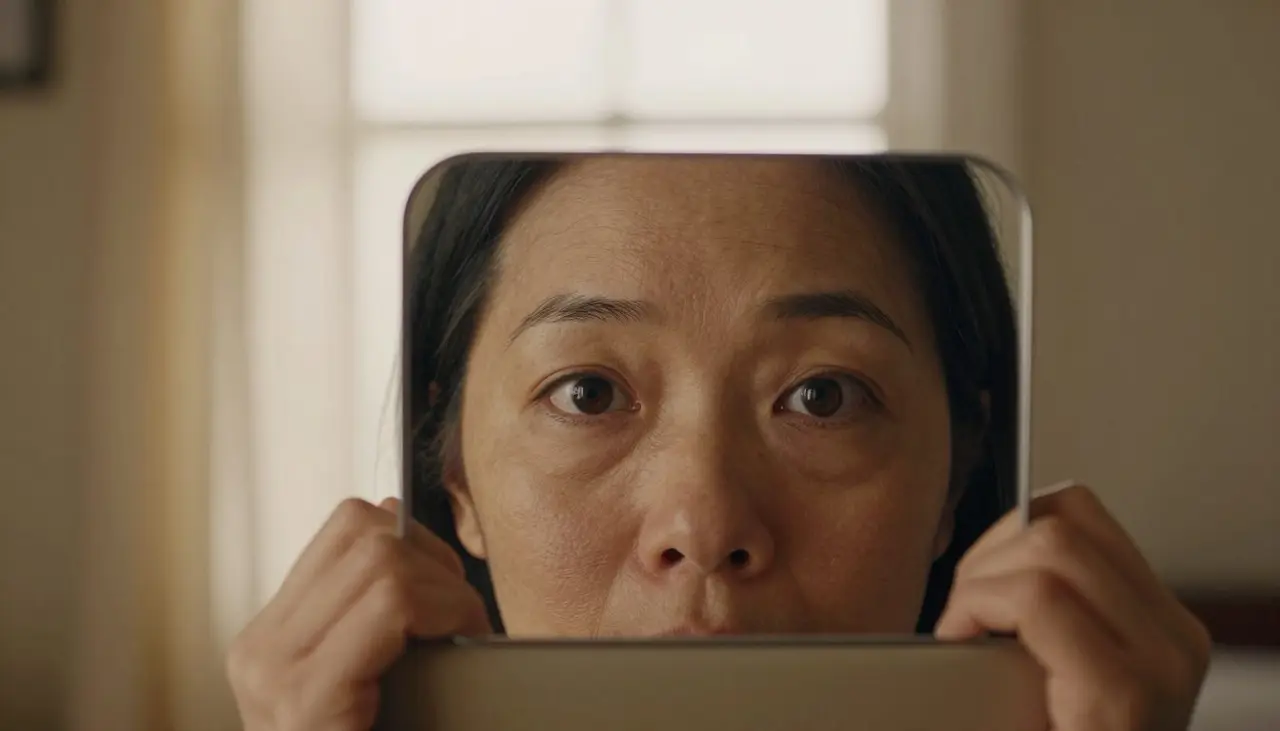
You noticed it in the mirror, and now you are wondering whether last night is showing on your face — that is a fair question, and here is how to read it without spiraling.
Puffy eyes, a duller finish, dry cheeks, lingering redness, or a breakout a day or two later can all make a drinking night feel suddenly visible. The short answer: yes, alcohol can nudge several of these, mostly through fluid shifts, sleep, and blood-vessel effects that fade — but skin is noisy, and a single rough morning is rarely a diagnosis. The more useful move is to watch whether the same signal keeps showing up after similar nights.
Why does my face look puffy the morning after?
For a lot of people, morning puffiness is a fluid story. Alcohol shifts how your body holds and releases water overnight, and the face — thin skin, loose tissue around the eyes — is where that shows up first. Poor sleep after drinking piles on, since a face that never fully rested looks held and slow to wake.
That does not mean every puffy morning traces to the drink. Salt the night before, crying, allergies, sleeping position, and hormones all land in the same place. Puffiness that comes and goes with heavier nights is worth noting; puffiness that stays put for days, or comes with pain or one-sided swelling, is a different question for a clinician.
Can drinking cause redness or flushing that lingers?
Yes, and for some people it does more than a passing flush. Alcohol widens small blood vessels near the skin's surface, which is the warm-faced feeling in the moment — but in people prone to it, that repeated dilation can leave the cheeks looking flushed well past the drinking window.
There is a real skin-condition thread here worth naming plainly. The American Academy of Dermatology notes that drinking may raise the risk of developing rosacea, that the risk tends to rise with the amount consumed, and that white wine and hard liquor carried higher risk in the research. The same source is careful on the other side: people who never drink also develop rosacea, so alcohol is one contributing factor, not the whole explanation. If redness is becoming a fixed pattern rather than a next-morning event, that is a dermatology conversation, not a mirror one.
Why do I break out a day or two after, not the same morning?
Delayed breakouts throw people off because the timing hides the connection. The skin change often does not land at breakfast; it can surface a day or two later, by which point the drinking night feels unrelated. Sleep loss, the sugary mixers that often ride along, and general inflammation are the usual suspects here, though the exact chain is hard to pin down for any one person.
Because the lag makes cause and effect blurry, this is the pattern most worth tracking over a couple of weeks rather than judging from one flare. If it clusters with heavier nights and eases on lighter ones, you have useful information. If it does not, alcohol probably is not your main skin driver, and a clinician or dermatologist can help you look elsewhere.
How much am I actually drinking when I say "just a couple"?
Start with a shared unit, because "I only had wine" is often less precise than it feels. A U.S. standard drink is 0.6 fluid ounces, or 14 grams, of pure alcohol, which is a 5-ounce pour of wine — and a generous restaurant pour can quietly be closer to two. Counting in standard drinks turns a fuzzy memory into something you can compare across nights.
One caution on how to read that number: a standard-drink size is a measuring stick, not a safety line. Skin effects, like most alcohol effects, tend to track with both how much you drink and how long the pattern runs, and there is no single amount that is fine for everyone or harmful for everyone — genetics, sleep, hydration, medications, and existing skin conditions all move the line. The number is there to help you describe your own pattern honestly, not to mark a threshold where trouble switches on.
What might change if I cut back?
Some people notice less morning puffiness, steadier skin tone across the week, or fewer delayed breakouts after a stretch of lighter nights — and because it is visible, that feedback can feel motivating. Keep the claim modest, though. A calmer face after an easier week is a useful signal, not proof that alcohol caused every skin concern or a promise that cutting back delivers a cosmetic result.
To read your own pattern fairly, try a few things:
- Pick one signal, not your whole face. Track puffiness, redness, dryness, texture, or a delayed breakout — one at a time. A single signal is far easier to judge than a general "do I look worse" verdict, and it keeps the check from tipping into shame.
- Compare like with like. Look at two weekday mornings in the same bathroom light, after similar sleep, with the same basic routine. You are not hunting for a dramatic before-and-after; you are checking whether heavier nights keep clustering with the same signal.
- Log the number, not just the impression. Note standard drinks alongside sleep and timing, so the pattern you see is anchored to something real rather than to how you felt when you looked.
When is a skin change more than a morning-after thing?
Most of what people describe here is temporary and self-limiting. A few signs are not cosmetic, though, and deserve a clinician rather than a routine — the clearest is yellowing. The National Institute of Diabetes and Digestive and Kidney Diseases (NIDDK) lists yellowish skin or eyes, along with easy bruising and swelling, among the signs of advanced liver damage, and MedlinePlus notes that the chance of alcohol-related liver disease rises the longer and the more heavily a person drinks. Yellowing of the skin or the whites of the eyes is a talk-to-a-clinician-soon symptom, especially for a heavy daily drinker — not something to watch in the mirror.
A few other changes also belong with a clinician rather than a skincare shelf: a new rash that persists, unexplained bruising, non-healing wounds, or any skin change that is spreading or worrying you. A plain sentence is enough to open it: "I've noticed some skin changes since I've been drinking, and I want to know whether any of them are medically concerning." If you do not have a clinician to start with, Clero can connect you with a licensed clinician by telehealth who can look at the fuller picture, including whether a medication like naltrexone is worth discussing for the drinking itself.
The point of the mirror check is not to inspect your face all day or to make appearance the reason you "should" cut back. It is quieter than that: notice whether a specific skin signal keeps arriving after similar drinking nights, and whether it eases when the pattern changes. If the checking starts feeding shame, step back from the mirror and bring the concern to someone who can actually assess it.
For related reading, see alcohol and skin changes, alcohol and facial flushing or redness, drinking and feeling puffy or bloated, does alcohol make you bruise easily and heal slower, and drinking and your eyes or vision.
This page is general education, not a skincare plan or a diagnosis; if a skin change persists, spreads, or worries you — or if you notice yellowing of your skin or eyes — bring it to a licensed clinician, and if drinking itself feels hard to talk about, SAMHSA's free, confidential National Helpline is available 24/7 at 1-800-662-HELP.
- Mind & mood
Alcohol and Anger Outbursts
Alcohol lowers restraint, which can make anger outbursts easier to act on — and the next-day rebound explains why the morning after feels so raw.
- Hangovers & the day after
Drinking and Your Bowel Pattern: Morning-After Bathroom Urgency
Why the morning after drinking can bring loose stool, urgency, and multiple bathroom trips, plus when symptoms need same-day care.
- Hangovers & the day after
Drinking and Your Energy the Second Day After
Why drinking can seem to affect your energy two days later, what patterns to notice, and when symptoms need medical attention.
- Body & physical health
Is Alcohol a Depressant or a Stimulant? Why It Feels Like Both
Alcohol is a depressant — it slows the central nervous system — even though the first drinks can feel like energy. Why the early lift happens and fades.
- Hangovers & the day after
Why Do My Feet and Ankles Swell After Drinking?
Puffy feet or ankles after drinking usually trace to fluid shifts, salt, and stillness overnight. What helps it settle — and when swelling needs a check.
- Body & physical health
Drinking and Your Sleep When It's Hot Out
Why alcohol and hot summer nights can combine into 3am wake-ups, night sweats, poor recovery, and when sleep symptoms need clinical support.


Be the first to hear when Clero launches.
Join with email only. Clero is still in development, so this is educational content today — not treatment, a prescription request, or medical advice.
First to hear at launchLaunch news only — no spamUnsubscribe anytime