
Drinking and Your Hands or Shakiness the Day After
How to think about shaky hands after drinking, the difference between lower-stakes patterns and withdrawal warnings, and when to call 911.
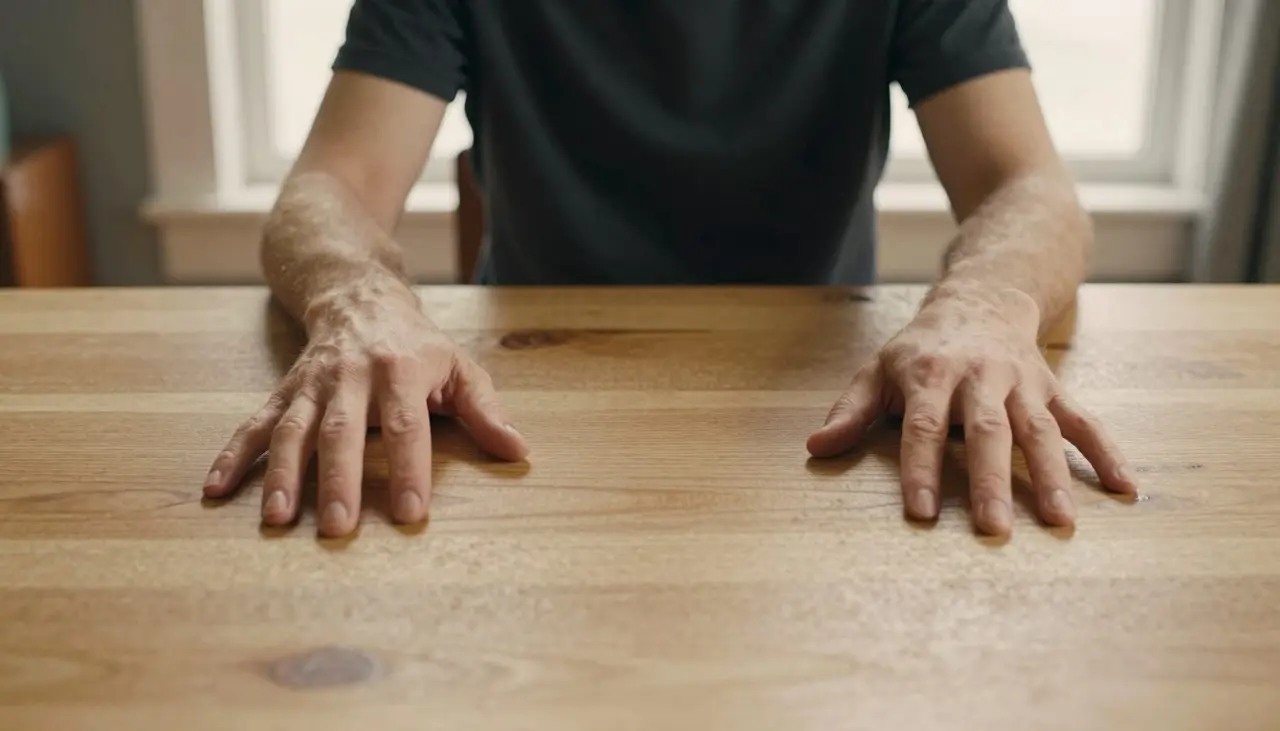
Shaky hands after drinking are not all the same thing, and the gap between them is the whole story. For most people it is a passing day-after tremor. For a heavy daily drinker, morning shakiness can be the first sign of withdrawal — and withdrawal can kill you.
Start with the dangerous version, because it is the one that can't wait. If your hands shake every morning and steady only after the first drink, that is not a hangover. That is your body asking for alcohol it has come to depend on. Do not quit cold on your own to fix it. Stopping suddenly after heavy daily drinking can trigger seizures. Talk with a clinician before you change anything.
The two things a shaky hand can mean
The ordinary kind is a fine tremor the morning after a heavier night. The coffee cup rattles a little. Typing feels sloppy. Then food, water, sleep, and a few hours pass, and it fades. For a lower-risk drinker, that is usually the low end of the range.
The serious kind is withdrawal. Alcohol turns down the brain's activity for hours. Drink heavily for months or years and the brain cranks itself back up to compensate. Pull the alcohol away and that cranked-up state has nothing to push against — so the system runs hot. Shaking is one of the first things you see. MedlinePlus lists "tremor of the hands or other body parts" among alcohol withdrawal symptoms, alongside sweating, a racing heart, anxiety, and nausea. The same source notes these symptoms tend to start within about 8 hours of the last drink, sometimes later.
One tremor. Two completely different situations. The difference is not how bad the shaking looks. It is who you are and how you drink.
The tell that decides it
Ask one question: does a drink make the shaking stop?
If shakiness reliably settles after alcohol — especially in someone who drinks every day — treat that as a withdrawal signal, not a trick for steadier hands. That is the line between a rough morning and a body that has adapted to alcohol. It is a clinician conversation, and it is the reason not to white-knuckle your way to quitting alone.
The rest of the questions are simpler. How often does it happen — once after a heavy night, every Monday, or every single morning? Does it fade as the day goes on, or hang around? Does it come with sweating, a pounding heart, nausea, or dread? Daily plus withdrawal-shaped is a different category from once-in-a-while and gone by lunch.
When shaky hands are an emergency
Some morning tremor is not a wait-and-see problem. It is a 911 call.
Call 911 for severe shaking that arrives with heavy sweating, a racing or irregular heartbeat, repeated vomiting, agitation, sudden confusion, hallucinations, or any seizure. Those are signs of severe withdrawal, including delirium tremens — the most dangerous form, which MedlinePlus describes as bringing on sudden severe confusion, fever, hallucinations, and seizures, and warns "may quickly become life-threatening". Do not drive yourself. Do not wait to see if it passes.
This is not a rare-in-theory risk. Alcohol-specific emergency visits have been climbing for two decades. CDC/NCHS reports the alcohol-specific ED visit rate for men rose 75% — from 71 to 124 per 10,000 people — between 2003–2004 and 2021–2022, with a 71% rise for women. And NIAAA counts about 14.4 million U.S. adults, roughly 5.5%, reporting past-month heavy alcohol use. That is the group where a morning tremor is most likely to be withdrawal rather than a hangover.
How much drinking gets you here
There is no single amount that makes hands shake. The risk tracks two things at once: how much you drink and how long you have been doing it. A heavier pattern over years builds the kind of brain adaptation that produces withdrawal tremor. A single late night rarely does.
And the same amount lands differently on different people. Body size, sex, what you ate, sleep, other medications, and separate conditions — thyroid trouble, low blood sugar, essential tremor, Parkinson's, plain anxiety — all shift where you sit. Some of those can shake your hands with no alcohol involved at all. So there is no line where a certain number of drinks flips harm on. What matters is the pattern over time and what the shaking does the next morning.
What to actually do
For a lower-risk reader, the move is simple. Space out the heavy nights. Cover the basics on a rough morning — water across the morning, a real meal with some protein — because hunger, dehydration, and low blood sugar all make hands shakier on their own — the same inputs behind feeling clumsy or off balance the day after drinking. Some people find that after a few weeks of fewer heavy nights, the cup and the keyboard steady up. No guarantee. Just a pattern worth trying.
There is one hard rule that overrides the rest. If the tremor is severe, comes back every morning, or only settles after a drink, stop treating it as a habit to fix and get clinical input. Do not push through it at work or behind the wheel — a shaking hand on a steering wheel or a tool is a safety problem, not a willpower test.
A shaky hand is also loud. You can see it, which makes it easy to panic over or hide in shame. Neither helps. If cutting back is the goal and you want to know whether a medication belongs in the plan, you can raise that with a clinician through Clero by video from home, so the question gets a real answer instead of a guess. Name how often it happens and whether the first drink steadies it — that gives someone concrete to work with.
When the urge to pour comes back, how to handle alcohol cravings and urges is the fuller toolkit.
The bottom line
Most shaky hands after drinking are a passing day-after thing. Some are the opening move of withdrawal, and that version is dangerous. The drink-that-fixes-it test sorts them. If severe shaking shows up with sweating, confusion, hallucinations, or a seizure, that is 911. If you drink heavily every day, do not stop on your own — a clinician helps you do it safely.
This is general education about one visible symptom, not a diagnosis or a taper plan. If shaking ever comes with confusion, hallucinations, or a seizure, call 911; if you drink heavily and want to stop, talk with a clinician first, and the free, confidential SAMHSA National Helpline (1-800-662-HELP) can point you to care 24/7.
- Hangovers & the day after
Drinking and Sweating the Day After
Sweating the day after drinking comes from your nervous system rebounding as the alcohol clears. Why 3am is the usual hour, and the sweat that means call 911.
- Family & relationships
What to Do When Your Spouse Drinks and Drives
If your spouse is driving impaired, call 911 from safety. Learn what to report, what to avoid, and how to plan your own sober ride.
- Family & relationships
What to Do When Your Spouse Comes Home Drunk
If your spouse comes home drunk, check for danger and wait to discuss drinking. Know when to call 911 and how to put household safety first.
- Quitting & sobriety
How do I stop drinking?
Stopping drinking starts with safety, not willpower. If you drink heavily every day or have had withdrawal symptoms, ask a clinician what level of care is safest before you stop suddenly. If you are medically stable, the next step is to choose support that matches your goal, privacy needs, and risk level: therapy, peer support, medication education, primary care, telehealth, outpatient treatment, or a higher level of care.
- Mind & mood
Alcohol and Vivid Dreams When You Cut Back
Vivid dreams after cutting back are usually REM rebound, not withdrawal. Why the dreams get so loud, how long the phase tends to last, and the signs that need care.
- Body & physical health
Drinking and Your Joints or Morning Stiffness
Alcohol has no direct line to your joints — stiff mornings trace to inflammation, dehydration, and lost overnight repair. How to tell if drinking is the lever.


Be the first to hear when Clero launches.
Join with email only. Clero is still in development, so this is educational content today — not treatment, a prescription request, or medical advice.
First to hear at launchLaunch news only — no spamUnsubscribe anytime