
Drinking and Sweating the Day After
Sweating the day after drinking comes from your nervous system rebounding as the alcohol clears. Why 3am is the usual hour, and the sweat that means call 911.
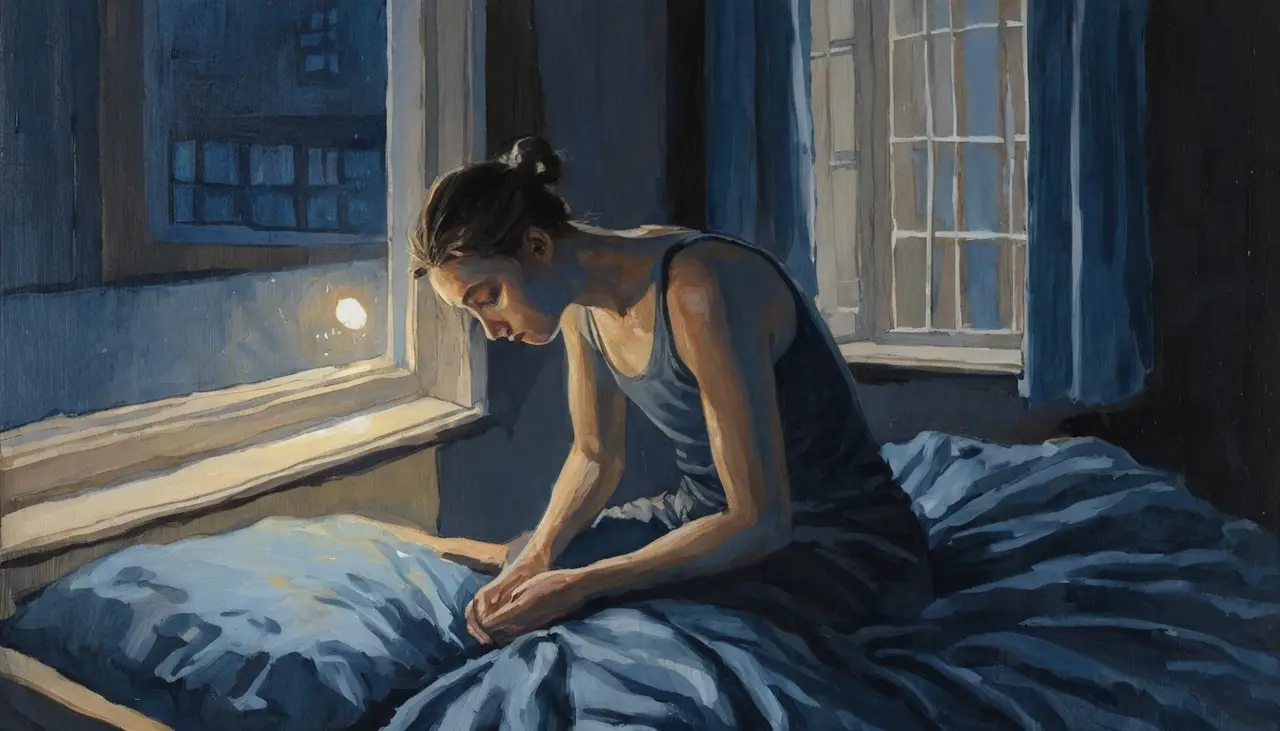
Sweating during the night after drinking, or into the next morning, is an ordinary bit of physiology, not a sign of something exotic. It comes from your temperature controls being pushed around while alcohol is in your system and, more so, while it clears. That is why the sweat so often lands overnight or the next morning — a damp pillow at 3am, a soaked shirt by wake-up, a wave of heat with the first coffee. Most of the time it is nothing to worry about; occasionally it is a warning worth acting on fast, and the useful thing is knowing which is which.
Why drinking turns the sweat up
Your body runs a background system that controls things you never think about — heart rate, blood-vessel width, and sweating among them. It keeps your core temperature steady by widening the small vessels near your skin to shed heat and switching on sweat glands when you run warm. Alcohol leans on that system while it is on board, which is why a warm flush and damp skin can show up during the drinking itself. The same mechanism explains why alcohol makes you feel warm while your core temperature is actually dropping.
The louder part usually comes later, as the alcohol clears. Drink heavily and often enough and the brain quietly rebalances itself around the constant presence of alcohol — it turns down its own calming signals and turns up its excitatory ones to compensate. When the alcohol leaves, those adjustments are still in place with nothing to push against, so the nervous system swings toward over-activity. A peer-reviewed review of the neurochemistry describes this rebound — the same overshoot felt as restlessness, a racing pulse, and, yes, sweating. In plain terms: the system that was being held down springs back up, and one of the ways it shows that is by sweating.
Two everyday amplifiers sit on top of this. Alcohol near bedtime fragments sleep and shifts the second half of the night toward lighter, more restless sleep, which is documented in the sleep literature — so you are more likely to be awake and aware of feeling hot at 3am than you would be on a dry night. And ordinary heat sources — a warm room, heavy bedding, a hot shower, caffeine, a first meal, an early workout — all nudge the same temperature controls, so they can make an already-primed system tip into a sweat.
How much it takes, and why it differs person to person
There is no single number of drinks that switches sweating on. The pattern tends to get louder after higher-volume nights and after stretches of drinking day in and day out, because both give that rebalance-and-rebound cycle more to work with — the effect scales with how much and how often, not with crossing one line. But some people sweat after fairly modest drinking, and others barely notice it after a heavy night. Body size, genetics, sex, medications, other health conditions, the room, and what else you did that morning all move the needle.
It helps to describe your own nights in shared terms rather than guessing. NIAAA counts one standard drink as 0.6 fluid ounces, or 14 grams, of pure alcohol, and it counts binge drinking as the pattern that brings blood alcohol to about 0.08% — often 5 or more drinks for men, or 4 or more for women, in roughly two hours. Those are just a common yardstick for describing a pattern, not a threshold where sweating or harm switches on. They let you compare Tuesday to Saturday honestly, which is more useful than a vague sense of "a lot."
The distinction to watch: timing
For most people the whole story is timing. Sweats that ride along with drinking nights and fade on the nights you do not drink are the ordinary version — uncomfortable, not alarming. What changes the picture is a sweat that keeps happening when alcohol is not in the recent pattern, or a sweat that arrives with a cluster of other symptoms.
That second case is worth naming plainly, because it is the one that can be an emergency. If a stretch without alcohol brings on sweating together with shaking or tremor, a racing heart, nausea and vomiting, agitation, confusion, hallucinations, or a seizure, that can be alcohol withdrawal — not a hangover. MedlinePlus lists exactly these signs — sweating, tremor, rapid heartbeat, hallucinations, seizures, severe confusion — and flags seizures, severe confusion, hallucinations, or an irregular heartbeat as reasons for emergency care. This does not wait for a planned cutback week. Call 911 or go to an emergency room. If you drink heavily every day, that same risk is the reason to talk with a clinician before stopping suddenly rather than quitting cold on your own.
Separately from the drinking-night pattern, night sweats have plenty of causes that have nothing to do with alcohol — and a clinician is the right person to sort those out. Persistent night sweats on dry nights, especially alongside unexplained weight loss, fever, a lingering cough, swollen lymph nodes, chest pain, fainting, or a pounding or fluttering heartbeat, deserve a medical look rather than a self-diagnosis from a symptom list.
What you can actually do about it
None of these are cures, and none require buying anything. They are low-stakes ways to make the sweaty nights more bearable and to learn what your own pattern is doing.
- Run a short comparison. Hold a fully alcohol-free stretch of a week or two and watch the nights side by side. If the sweats track with drinking and quiet down on dry nights, you have your answer; if they keep going regardless, that is exactly the thing to bring to a clinician. (If you drink heavily every day, plan any pause with a clinician first — see the withdrawal note above.)
- Aim at the high-volume nights. Since the pattern scales with how much you drink, the nights that run past your plan are where slowing the rounds and keeping a non-alcoholic option in rotation does the most to shrink the sweat.
- Set the room up before bed. On nights you already expect to be sweaty, a cooler bedroom, a fan, lighter bedding, and a dry shirt within reach will not stop a sweat, but they make it easier to sleep through. This is comfort, not treatment.
- Go easy on the morning triggers. A first coffee, a hot shower, or an early workout can turn the wave up the morning after drinking, so easing off those keeps the pattern smaller.
- Sip water through the night out and after. Water does not cancel alcohol or "flush" it out, but steady sips can keep the next morning from compounding the misery.
One thing worth setting aside: sweating is not a detox method. Only a trace of alcohol leaves through sweat, so trying to sweat it out — saunas, extra layers, hard workouts to "burn it off" — does not clear alcohol faster and can leave you more dehydrated.
If the urge to pour is part of what is keeping the drinking heavy in the first place, how to handle alcohol cravings and urges is a fuller toolkit, and for the other next-day signals that often travel with sweating, see alcohol and anxiety the next day, drinking and your resting heart rate or wearable data, and drinking less for better sleep.
The longer view
Night sweats around drinking are usually a temporary nuisance, but they sit inside a bigger picture. The CDC notes that over the long run, heavy drinking is linked to high blood pressure, heart disease, stroke, and liver disease — reasons a persistent, drinking-linked pattern is worth paying attention to rather than just mopping up. You do not need a diagnosis before you raise any of this with a clinician who knows your history; noticing the pattern is enough of a reason to ask.
This is general education about one post-drinking pattern, not a diagnosis or medical advice. Sweats that persist on dry nights, get severe, or arrive with tremor, confusion, a racing heart, or a seizure need real care now — call 911 or go to an emergency room for those emergency signs, and for confidential help finding alcohol support, SAMHSA's National Helpline is free and available 24/7 at 1-800-662-HELP.
- Hangovers & the day after
Drinking and Your Hands or Shakiness the Day After
How to think about shaky hands after drinking, the difference between lower-stakes patterns and withdrawal warnings, and when to call 911.
- Family & relationships
What to Do When Your Spouse Comes Home Drunk
If your spouse comes home drunk, check for danger and wait to discuss drinking. Know when to call 911 and how to put household safety first.
- Body & physical health
Is Alcohol a Depressant or a Stimulant? Why It Feels Like Both
Alcohol is a depressant — it slows the central nervous system — even though the first drinks can feel like energy. Why the early lift happens and fades.
- Hangovers & the day after
Why Do My Feet and Ankles Swell After Drinking?
Puffy feet or ankles after drinking usually trace to fluid shifts, salt, and stillness overnight. What helps it settle — and when swelling needs a check.
- Hangovers & the day after
Why Am I Clumsy and Off Balance the Day After Drinking?
Feeling clumsy or off balance the day after drinking is real — dehydration, low blood sugar, and broken sleep all dull coordination. What helps, and when to worry.
- Social events & holidays
Drinking and the Fear of Becoming the Boring One Without It
A nonjudgmental guide to the identity fear that cutting back will make you boring, with safety routing when mood turns unsafe.


Be the first to hear when Clero launches.
Join with email only. Clero is still in development, so this is educational content today — not treatment, a prescription request, or medical advice.
First to hear at launchLaunch news only — no spamUnsubscribe anytime