
Does Alcohol Cause Sleepwalking? Why Drinking Nights and Sleepwalking Episodes Go Together
Alcohol is a recognized adult sleepwalking trigger. Here's why drinking nights set the stage and when episodes need a clinician.
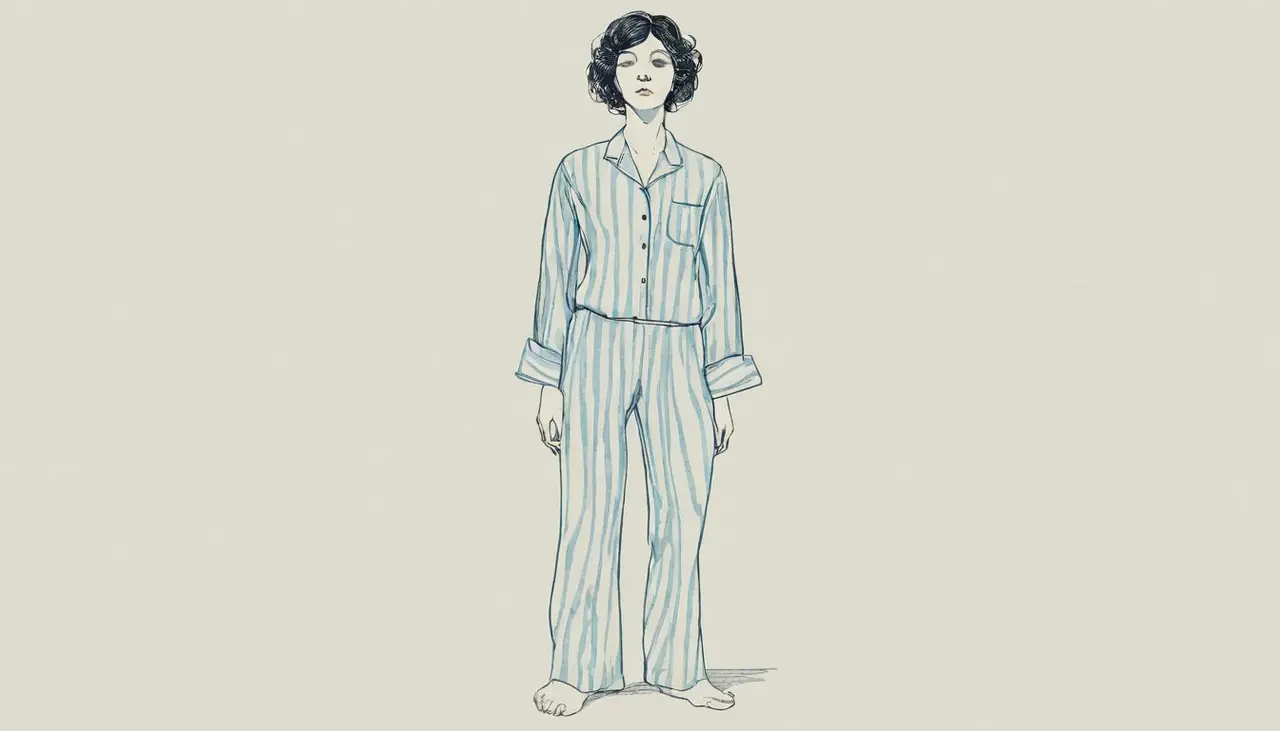
Yes. Alcohol is a recognized sleepwalking trigger in adults, especially for people already prone to episodes.
That does not mean every strange night after drinking is sleepwalking. It means alcohol can create the kind of disturbed, sleep-deprived terrain where sleepwalking is more likely to show up.
Is alcohol really on the trigger list?
Yes. MedlinePlus lists alcohol, sedatives, and certain other medicines among the things that may be linked with adult sleepwalking. It also lists medical and mental-health conditions, which is a reminder that alcohol is one trigger, not the whole map.
The prevention guidance is just as direct. MedlinePlus says people who sleepwalk should not use alcohol, and it also points to avoiding sleep deprivation and insomnia because those can trigger episodes.
That is unusually clean for a body question. If you sleepwalk, alcohol is not a mystery variable to debate forever. It is one of the first levers to remove or test.
What is sleepwalking, exactly?
Sleepwalking is a partial arousal out of deep sleep: the body gets enough "awake" signal to move, while the thinking, memory-making part of the brain is not fully online.
That is why the person may sit up, walk, talk, open doors, use the kitchen, or do something oddly purposeful and still remember little or none of it. The next morning, the story often comes from someone else.
This is different from deciding to get up while drunk. It is also different from a blackout, where the person is awake and interacting but later cannot form memories of what happened. If the memory-gap side is the live question, what a blackout from drinking is is closer.
Why do drinking nights set the stage?
Alcohol makes sleep messier than it looks from the outside.
It may help some people fall asleep faster at first, but peer-reviewed sleep research describes how alcohol fragments the night, changes deep-sleep and REM patterns, and leaves the second half of sleep lighter and more disturbed.
That matters because sleepwalking is tied to unstable sleep. MedlinePlus notes that fatigue, lack of sleep, and anxiety are all associated with sleepwalking. A drinking night can add to those exact conditions: later bedtime, rougher sleep, more awakenings, and a morning that does not feel rested even after enough hours in bed.
For the snoring and airway side of drinking nights, read does alcohol cause snoring. For the vivid-dream rebound side, alcohol and vivid dreams when you cut back owns that lane.
Does it happen only to some people?
Yes. Alcohol can be a trigger without being a universal cause.
Most people who drink do not sleepwalk. Some people sleepwalk without drinking. Some people have one episode in a high-stress, low-sleep stretch and never have another. The useful question is pattern, not identity: do episodes cluster after drinking nights, after sleep debt, during stress, or during changes in medication or health?
If the answer is "mostly after drinking," that is enough information to act on. You do not need to diagnose yourself before removing a named trigger.
How do you make an episode less likely?
Start with the source's plainest advice: do not use alcohol if you sleepwalk. Then make the night less fragile.
- Protect sleep debt: a late, short, interrupted night is not neutral. If you are already exhausted, alcohol has less room to be harmless.
- Lower the trigger load: keep the sleep window steady when you can, and do not stack drinking on top of stress, missed sleep, and a late bedtime.
- Make the room boringly safe: clear floors, move sharp objects, secure doors and windows, and keep car keys out of easy reach if episodes involve leaving the room.
- Ask for the report calmly: if a partner saw it, ask what happened, when it happened, and whether anything looked dangerous. Treat the details as data, not as an accusation.
For early-abstinence sleep disruption, why you can't sleep when you stop drinking is the better fit. For sleep-onset reliance, read drinking when you can't fall asleep without it.
What if it happens while cutting back?
Sleep can get rough when a heavy pattern changes, and rough sleep can make any existing sleepwalking tendency more noticeable.
That does not make sleepwalking a classic withdrawal symptom to self-manage. It means the context matters. If you drink heavily every day, do not stop abruptly on your own just to see what happens to sleepwalking. Involve a licensed clinician before a sharp cutback, especially if previous attempts brought shaking, sweating, confusion, seizures, hallucinations, or other frightening symptoms. If symptoms like those ever show up mid-stop, that is 911 or emergency-room territory, not something to sleep off.
For the night-waking side that has more to do with the bladder than sleepwalking, drinking and having to pee all night is closer.
When should you talk to a clinician?
Talk to a clinician when episodes are frequent, persistent, come with other symptoms, or involve anything dangerous.
MedlinePlus specifically advises discussing sleepwalking with a health care provider when it is frequent or persistent, when other symptoms appear, or when dangerous activities such as driving happen during episodes.
Driving, leaving the house, cooking, injury, or frightening behavior changes the urgency. A clinician can help sort out what kind of sleep event this is and whether alcohol, sleep deprivation, medicine, stress, or another health issue is part of the pattern.
FAQ
Can alcohol cause sleepwalking if I never did it before?
Alcohol can be a trigger in adults, but one episode does not prove one cause. Look for patterns: drinking nights, sleep debt, stress, medicine changes, and whether episodes repeat.
How do I prevent sleepwalking after drinking?
The cleanest answer is not to drink if you sleepwalk. If you are still figuring out the pattern, protect sleep, avoid stacking alcohol with a late night or stress, and make the room safe before bed.
Is drunk sleepwalking the same as a blackout?
No. A blackout happens while a person is awake but not forming memories. Sleepwalking happens during sleep, with partial arousal. They can both lead to missing memories, but they are not the same event.
Should my partner wake me up?
If the person is in danger, safety comes first. Otherwise, many people try calm redirection back to bed rather than a startling confrontation. Repeated or dangerous episodes belong with a clinician.
This article is general education, not a sleep-disorder diagnosis; call 911 for immediate danger or severe withdrawal symptoms, and if drinking feels hard to change, SAMHSA's National Helpline is a confidential 24/7 referral service at 1-800-662-HELP.
- Body & physical health
Does Alcohol Cause Anemia? How Drinking Affects Your Blood
Heavy drinking can cause anemia by disrupting blood-cell production and nutrition. Why fatigue cannot diagnose it, and which bleeding signs need urgent care.
- Body & physical health
Does Alcohol Cause Snoring? Why Drinking Nights Are Louder
Alcohol can trigger snoring by relaxing throat muscles before sleep. Why drinking nights get louder and when apnea signs need a clinician.
- Body & physical health
Can Alcohol Cause Nerve Damage?
How long-term heavy drinking can damage peripheral nerves, what alcoholic neuropathy can feel like, and why new numbness or tingling belongs with a clinician.
- Body & physical health
Does Alcohol Make You Bruise Easily? What's Going On With Your Blood
Why heavy drinking can affect platelets, clotting, and bruising, how the liver fits in, and when new bleeding signs need medical attention.
- Body & physical health
Does Alcohol Affect Your Thyroid? What the Research Says
How alcohol can affect the thyroid hormone signaling system, why symptoms and lab results need clinical context, and when to ask for testing.
- Medication & treatment
Do You Need a Prescription for Naltrexone?
A narrow, plain-language answer to whether naltrexone is prescription-only, what that status does and does not tell you, and what to ask a licensed clinician.


Be the first to hear when Clero launches.
Join with email only. Clero is still in development, so this is educational content today — not treatment, a prescription request, or medical advice.
First to hear at launchLaunch news only — no spamUnsubscribe anytime