
Why Do I Binge Drink?
A pattern-map guide for people who keep drinking more than they meant to, with plain categories that do not diagnose or blame willpower.
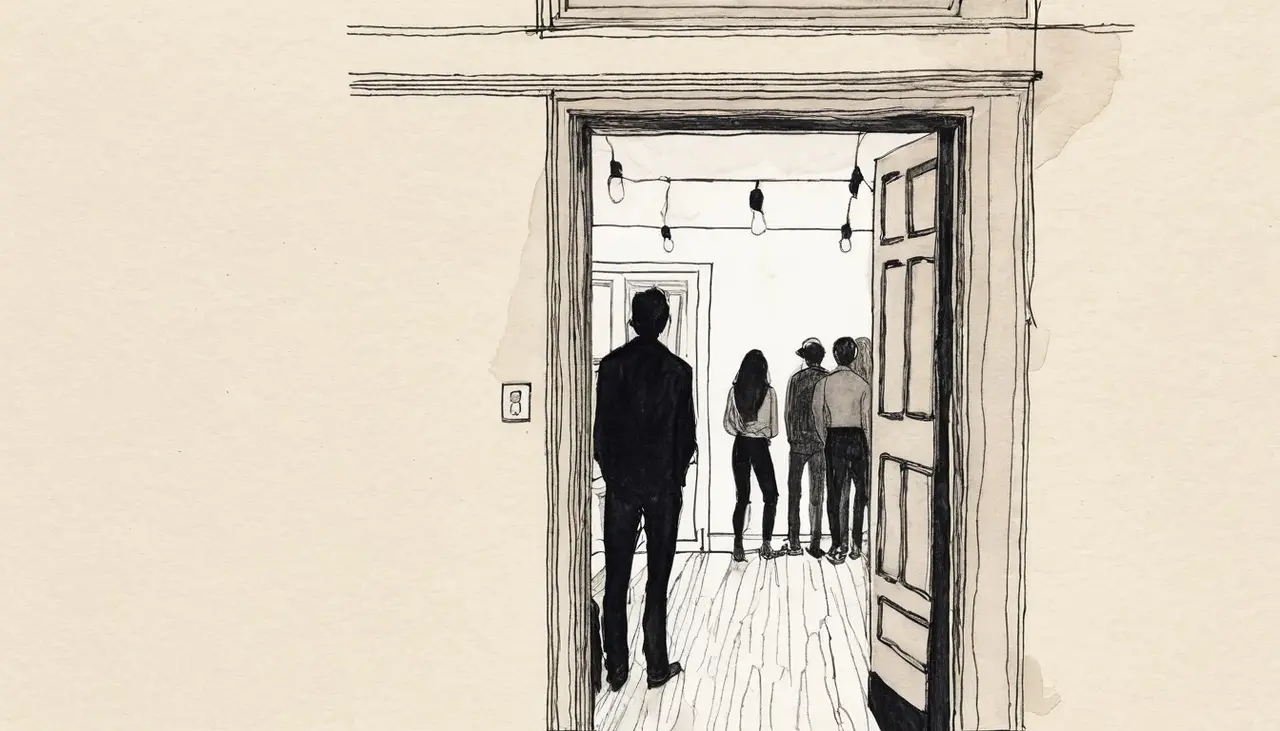
The first drink feels like a decision. By the fourth or fifth, the night can feel like it is making the decisions for you.
That is the part people search privately: why can I stop for days, then not stop once I start? The honest answer is that a binge is rarely one failure of willpower. It is usually four ordinary forces — reward, pace, setting, and tolerance — quietly stacking until the next drink stops feeling like a choice. Seeing how they work is more useful than arguing with yourself the morning after.
What "binge" actually measures
Start with the definition, because it describes the episode without turning it into an identity. NIAAA defines binge drinking as a pattern that typically brings blood alcohol concentration to 0.08% or higher — often 5 or more drinks for men, or 4 or more for women, in about two hours. A U.S. standard drink is 0.6 fluid ounces, or 14 grams, of pure alcohol: the yardstick those counts assume.
Those numbers measure a pattern. They are not a line where harm switches on. The pattern is also common — the CDC tracks binge drinking as one of the most reported forms of excessive drinking, affecting roughly 1 in 6 U.S. adults. Public health counts patterns across large groups. Your task is narrower: to see how the pattern runs in your own night.
Why "once I start" happens
The fourth drink feels automatic for a reason that has little to do with weakness: alcohol acts on systems built to keep you going once you begin.
Reward is what the first drink is really doing. Before it is a habit, a drink is a job: it takes the edge off stress, quiets boredom, loosens a room, or buys a break from being watched by yourself. Alcohol nudges the brain's reward chemistry upward quickly, so the relief arrives before the downside does. That early lift is why the first drink matters more than it looks — it teaches the night that another one is worth it.
Pace decides more than total. Many people do not binge because they planned a large amount. They binge because the opening moves fast: a pre-drink before arriving, a first round on an empty stomach, a refill before food, a toast, another because everyone else is still going. Each step feels small, and the first drink itself lowers the restraint that would have slowed the second. The total surprises them because it was front-loaded, not chosen.
Setting runs on autopilot. A place carries permission. A certain friend's kitchen, a game, a work dinner, a Friday, or the couch after everyone else is asleep all come with an unspoken rule — this is what we do here. The cues do a lot of the ordering before deliberate choice gets a vote. Sometimes the setting is not social at all; it is the open bottle and the streaming queue.
Tolerance quietly moves the finish line. Drink heavily and often, and the brain adapts to the constant tilt: the same number of drinks does less, so it takes more to reach the old effect. That is why a count that once felt like a big night can start to feel like a normal one, and why "three drinks" can drift into six without feeling like an escalation.
What the evidence can and cannot tell you
Public health can tell you what these patterns look like across millions of people; it cannot tell you what a given night means for you. NIAAA describes alcohol use disorder as a medical condition marked by an impaired ability to stop or control drinking despite social, work, or health consequences. That language may or may not fit you. But the control question underneath it — can I stop once I start? — is worth taking seriously whether or not any label applies.
The limit runs the other way too. A single hard night does not confirm a disorder, and hitting the binge threshold once does not sort you into a category. The pattern over time is the signal, not any one episode.
Seeing your own pattern
Mechanism is easier to act on than shame. A few self-directed ways to make the forces above visible:
- Write the honest count, not the social one. "A lot" hides more than it reveals; "about six standard drinks" gives you something real. Large pours, doubles, and higher-strength beers all push the true number above the story you tell.
- Watch the first two hours, not the whole night. If most of the drinking lands early, pace is your driver, and the place to change it is the front of the night, not the end.
- Name the job the first drink is doing. Finish the sentence honestly: the first drink is supposed to help me ____. If you know what it is for — stress, sleep, nerves, boredom — you can see whether alcohol is the only tool you are letting into the room.
When to bring it to a clinician
The patterns above are for noticing. They are not a treatment plan. It is worth talking with a licensed clinician if binge nights keep repeating, if you black out or get injured, if you drink in the morning, or if you feel unable to stop once you start. If you do not already have a clinician to bring this to, Clero connects you with licensed clinicians by telehealth.
One caution comes first. If you drink daily or feel physically unwell without alcohol, do not sharply cut back on your own — withdrawal from heavy drinking can be dangerous, and a clinician can help you taper safely. And if a stretch without alcohol has ever brought on shaking, sweating, confusion, or a seizure, treat that as a medical emergency: call 911 or go to an emergency room. For confidential, around-the-clock treatment referrals, SAMHSA's National Helpline is available at 1-800-662-HELP.
FAQ
Is binge drinking a willpower problem?
Not in any useful sense. Willpower language hides the actual drivers — reward, pace, setting, and tolerance, plus stress, sleep debt, skipped food, or secrecy. Naming the driver gives you something to change; scolding yourself does not.
Can I binge only on weekends and still have a problem?
Yes. A weekend-only pattern can still matter if it brings blackouts, injuries, missed obligations, fights, or the feeling of being unable to stop once you start. How often is only one part of the picture. If Friday-to-Sunday is exactly your shape, weekend binge drinking: five tactics to reduce it covers the practical side.
Does binge drinking mean I have alcohol use disorder?
Not by itself. Binge drinking names a pattern; alcohol use disorder is a broader medical condition involving impaired control despite consequences. If the control question feels familiar, that is worth raising with a clinician.
This article is general education, not a diagnosis or treatment plan. If cutting back feels physically unsafe or withdrawal symptoms appear, talk with a licensed clinician or seek urgent care.
- Understanding your drinking
Why Do I Black Out When I Drink?
An answer-first Q&A on why alcohol blackouts happen, why they can happen after different amounts for different people, and when a memory gap is a safety warning.
- Cutting back & moderation
Dry January When You Slip
One drink does not delete the days you already did. Salvage what they taught you, count the slip in plain drinks, and pick the next hour, not the next month.
- Mind & mood
Can Alcohol Cause Panic Attacks? Why They Hit After Drinking
An answer-first explanation of alcohol rebound anxiety, 3 a.m. panic, medical red flags, and how to read the pattern without self-diagnosing.
- Body & physical health
Can You Develop Alcohol Intolerance? Why Drinking Feels Different
Yes, someone who drank comfortably for years can start reacting badly. Intolerance hits during or soon after a drink; a hangover arrives hours later. How to tell.
- Mind & mood
Stopped Drinking and Anxiety Went Away: Can That Happen?
A non-diagnostic Q&A on why anxiety may ease for some people after changing drinking, and when anxiety needs more support.
- Cravings & triggers
Why Do I Drink When I Don't Want To?
A non-diagnostic self-check for the gap between intending not to drink and drinking anyway, without labels, quiz scoring, or shame.


Be the first to hear when Clero launches.
Join with email only. Clero is still in development, so this is educational content today — not treatment, a prescription request, or medical advice.
First to hear at launchLaunch news only — no spamUnsubscribe anytime