
What Happens When I Stop Drinking? A Realistic Look at the First Weeks
A realistic first-weeks timeline for sleep, mornings, energy, focus, blood pressure, and withdrawal safety after stopping alcohol.
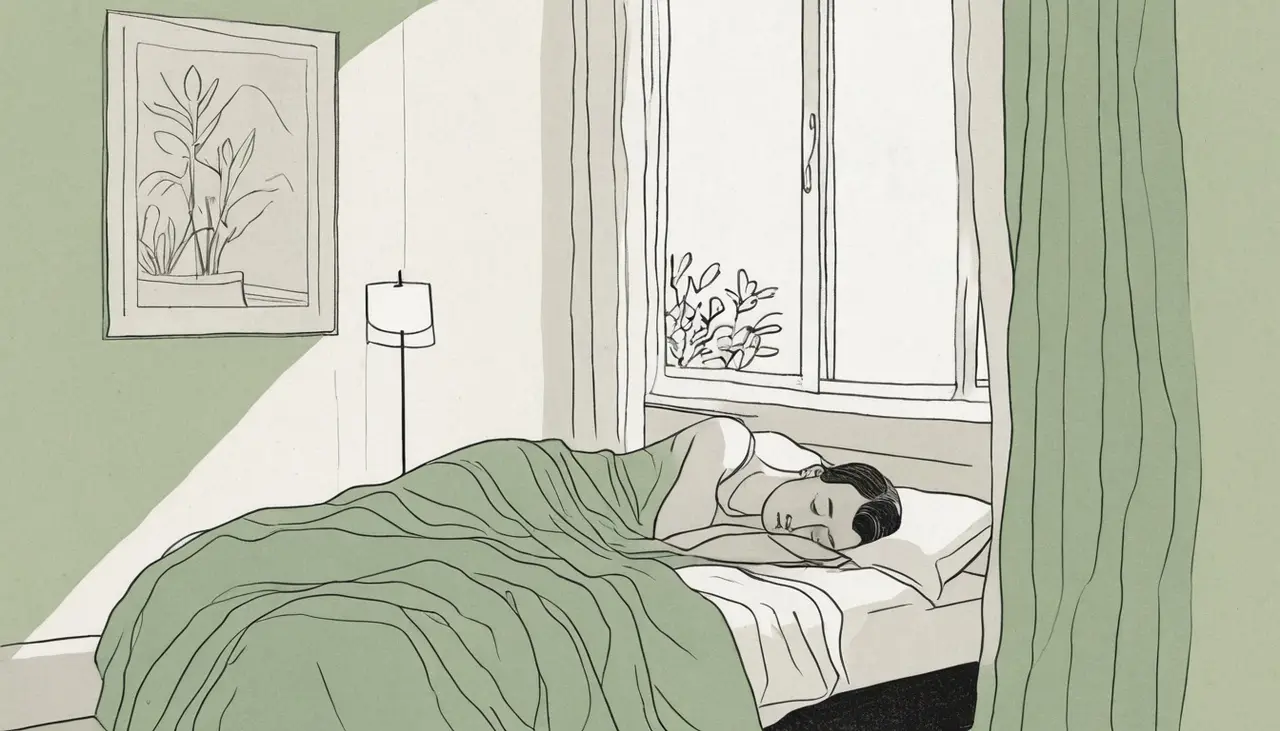
When you stop drinking, the changes usually arrive in layers: the first nights can be choppy, mornings often improve before everything else does, and slower changes in focus, blood pressure, and energy build over weeks rather than overnight.
The short answer is real but not magical. You may feel better quickly in some ways and worse briefly in others.
Why can the first few nights feel worse?
Because alcohol has been forcing sleep instead of building good sleep. It can make you drowsy at first, then fragment the second half of the night. Sleep researchers have described alcohol as disrupting sleep architecture - the structure of sleep stages - and sleep problems are common early when people stop.
That means a rough first few nights are not proof that stopping failed. They can be the body finding its own rhythm again.
The common pattern is: easier to fall asleep may not come first. Waking at 3 a.m. may show up before deeper sleep does. Vivid dreams can appear. Some people feel tired and wired at the same time. For many, the trend gets better with time, but the first week can be uneven.
For a narrower sleep piece, see why can't I sleep when I stop drinking.
What happens in the first days?
The first days are a sorting period. Hydration, appetite, stomach rhythm, sleep, anxiety, and energy can all shift at once.
If your drinking was light or occasional, the first days may simply feel clearer. If your pattern was heavier, your body may protest. Irritability, poor sleep, sweating, shaking, nausea, anxiety, or a racing heart can be warning signs, especially after regular heavy drinking.
MedlinePlus explains that alcohol withdrawal can happen when someone who has been drinking too much on a regular basis suddenly stops, and severe symptoms such as seizures, hallucinations, severe confusion, fever, or irregular heartbeat need emergency care, because severe alcohol withdrawal can be life-threatening. That is why daily heavy drinkers should not turn "I'm stopping" into a private toughness test.
The safety fork comes before the benefits timeline.
What changes over weeks one to four?
For many people, the early wins are practical:
Mornings: fewer hangover symptoms, less panic about what happened, and more usable time before work or family responsibilities.
Energy: not necessarily constant energy, but fewer dramatic dips after drinking nights.
Mood: some people feel steadier. Others feel feelings more sharply because alcohol is no longer muting the evening. That can be uncomfortable and useful at the same time.
Focus: brain fog often lifts gradually rather than all at once. A systematic review of neuropsychological recovery after abstinence found that many alcohol-related cognitive changes improve over weeks to months, not on a single dramatic day.
Use ranges here, not promises. A person stopping after nightly heavy drinking and a person stopping after weekend drinking will not have the same first month. For how those ranges run past the first month, see how long it takes to feel better after cutting back on drinking.
What slower changes should I watch for?
Some changes are easier to miss because they are not emotional.
Blood pressure is one. The American Heart Association lists limiting alcohol as one lifestyle change that can help lower blood pressure. If you already track blood pressure, resting heart rate, sleep, or workouts, watch trends instead of demanding a perfect day-one change.
Skin, digestion, appetite, and exercise recovery can also shift, but those changes vary widely. The most reliable way to notice is to choose two markers and track them simply:
- wake time and sleep quality
- morning anxiety
- resting heart rate
- blood pressure, if you already measure it
- number of alcohol-free days
- energy at 10 a.m.
Do not track everything. Too many markers turn clarity into homework.
Who should talk to a clinician before stopping?
Talk to a clinician before stopping abruptly if you drink heavily every day, have had withdrawal symptoms before, wake up needing alcohol, have had seizures or confusion after stopping, or feel physically unwell when you go without it.
This does not mean you are in trouble for wanting to stop. It means your body may need a safer plan than sudden white-knuckling. A safer plan is easier to build with someone qualified across from you — and if no clinician currently fits that description in your life, Clero puts a licensed clinician on the other side of a telehealth screen to look at your pattern with you and work out the change.
For more on that safety question, see the dangers of quitting alcohol cold turkey and understanding alcohol withdrawal symptoms and treatment options.
How do I know whether it is working?
Look for the ordinary signs.
You wake up with less dread. You remember the full evening. You keep the promise you made at 4 p.m. Your sleep chart is not perfect, but the second half of the night is less chaotic. Your morning self feels less like a stranger to your evening self.
Stopping alcohol does not turn life into a clean timeline. But it can remove one variable that has been making everything harder to read.
FAQ
Is it normal to feel worse the first week after stopping?
It can be, especially with sleep, mood, and anxiety. But severe physical symptoms are different from ordinary discomfort and need medical attention.
When will sleep get better?
There is no single date. Many people notice sleep changing over the first weeks, but early abstinence can include fragmented sleep before deeper sleep returns.
Do I have to stop completely to feel better?
Not everyone has the same goal. Some people stop. Others cut back and still notice benefits. If your pattern includes dependence or withdrawal symptoms, involve a clinician before changing quickly.
This article is general education, not medical advice or a withdrawal plan. If stopping brings shaking, hallucinations, severe confusion, fever, irregular heartbeat, or a seizure, call 911 or go to an emergency room; SAMHSA's National Helpline is 1-800-662-HELP for confidential referrals.
- Mind & mood
Alcohol and Brain Fog
Brain fog after drinking is mostly a wrecked night of sleep, not alcohol still in your blood. Why it lingers some mornings, and what else stacks into it.
- Social events & holidays
How to Handle Thanksgiving When You're Cutting Back on Drinking
Thanksgiving is an all-day drinking cue: plan the timeline, family lines, and first sober holiday pressure before the table fills.
- Quitting & sobriety
What to Do After a Slip: Restart Strategies That Do Not Start With Shame
After a drinking slip, focus on safety and the next step. Notice what led up to it, adjust your plan, and decide what support you need.
- Understanding your drinking
Found Hidden Bottles of Alcohol? What to Do Next
Hidden alcohol proves there is secrecy, not why it happened. Wait for a sober moment, name what you found, ask one direct question, and keep safety first.
- Quitting & sobriety
How do I stop drinking?
Stopping drinking starts with safety, not willpower. If you drink heavily every day or have had withdrawal symptoms, ask a clinician what level of care is safest before you stop suddenly. If you are medically stable, the next step is to choose support that matches your goal, privacy needs, and risk level: therapy, peer support, medication education, primary care, telehealth, outpatient treatment, or a higher level of care.
- Medication & treatment
What Happens When You Call an Alcohol Helpline?
A step-by-step explainer on what SAMHSA's alcohol helpline is, what callers are asked, and when to use 988 or 911 instead.


Be the first to hear when Clero launches.
Join with email only. Clero is still in development, so this is educational content today — not treatment, a prescription request, or medical advice.
First to hear at launchLaunch news only — no spamUnsubscribe anytime