
Drinking and Your Period or Menstrual Cycle
Alcohol can make PMS, cramps, and pre-period cravings louder — it touches the same hormone, sleep, and inflammation systems your cycle runs on. What to track.
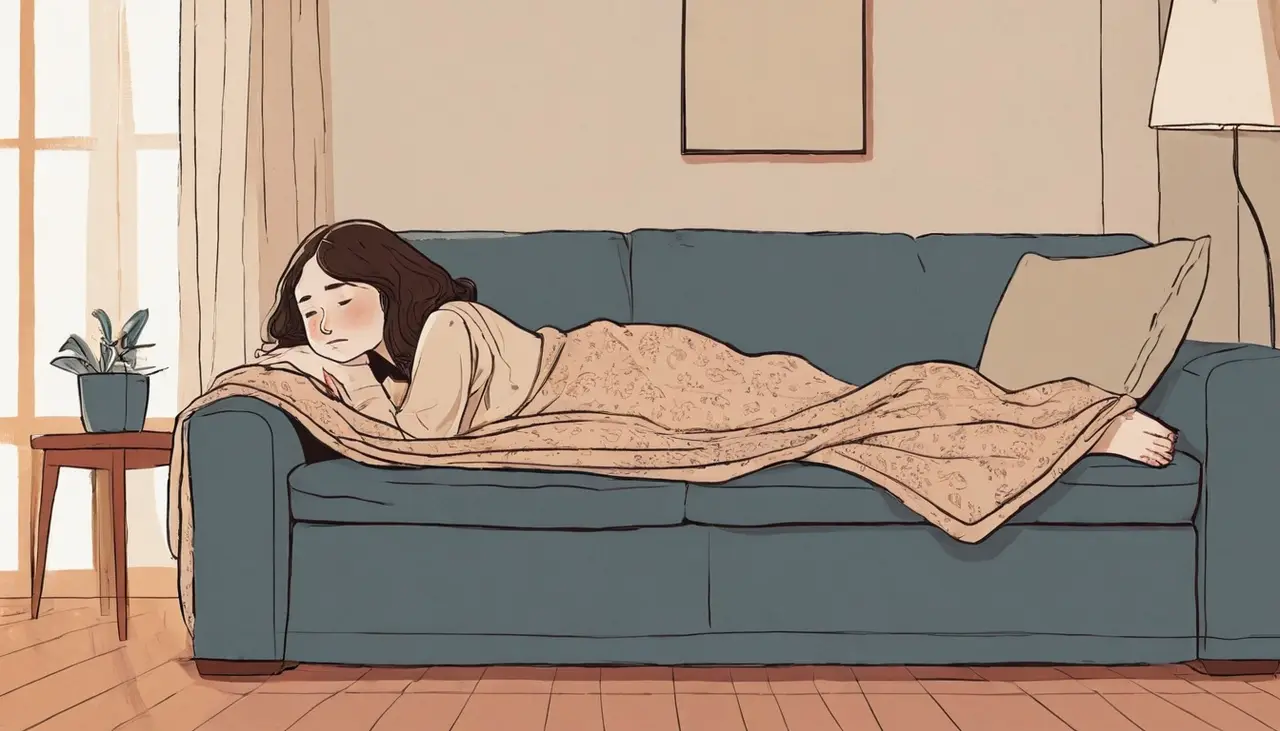
The alcohol-and-period question usually does not arrive as one clean question. It arrives as a cluster: cravings spike the week before bleeding, cramps feel worse after a drinking weekend, PMS feels louder, sleep breaks, bloating doubles up, or a cutback makes the whole pre-period window feel less sharp.
Alcohol can interact with several systems that also shape the menstrual cycle. That does not mean alcohol is the cause of every cycle change. It means the pattern is worth reading carefully, especially if you already have a gynecologic, endocrine, mood, migraine, or bleeding concern.
The cycle is not one body state
The menstrual cycle moves through phases. Hormones shift. Inflammation shifts. Sleep, appetite, mood, pain sensitivity, and energy can shift too. That is why the same drinking pattern may feel different mid-cycle than it does in the days before bleeding.
NIAAA's overview of alcohol and the human body describes alcohol's effects across liver, endocrine, sleep, central-nervous-system, and inflammatory pathways. Those are big words, so translate them this way: alcohol can affect how the body processes hormones, how it sleeps, how the nervous system settles, and how inflammation feels. Those are also places where period symptoms live.
That overlap is the reason the pattern can feel real without being simple.
Why cravings may spike before a period
Many people notice that the late-luteal window, the days before bleeding, is the hardest cutback window. The body may already be asking for relief: more sleep, more food, less friction, less noise. Alcohol can step into that moment as a fast wind-down cue.
The timing matters. A Wednesday craving before your period may not be the same as a Wednesday craving in a different phase. If the cutback rule is built as if every week is identical, the pre-period week can feel like failure when it is actually a higher-friction week.
The practical question is not "what is wrong with me?" It is "does this pattern repeat enough that I should plan around it?"
Cramps, bloating, mood, and sleep can stack
Alcohol can make sleep lighter and more broken. Poor sleep can make cramps, irritability, and stress harder to carry. Drinking can also overlap with salty food, dehydration, gut changes, and next-day mood swings. Put that on top of PMS, cramps, or bleeding, and the same amount of alcohol may feel heavier than it does at another point in the month.
This is also why some people report softer PMS after weeks of cutting back. The cutback may remove one layer from the stack. It does not prove alcohol was the only cause of the cycle symptoms, and it does not promise every cycle will change the same way.
For public-health context, about 88.0 million U.S. adult women, roughly 65.4%, reported past-year drinking in 2024. The number is broad because the experiences under it are broad: regular cycles, irregular cycles, hormonal contraception, perimenopause, postpartum contexts, PMDD, endometriosis, fibroids, PCOS, and many other individual pictures.
The moderation number is not a period rule
The Centers for Disease Control and Prevention (CDC) defines moderate drinking for women as 1 drink or fewer in a day. It classifies intake; it is not a luteal-phase rule, a fertility instruction, or proof that any one amount is safe or harmful for a specific person.
This is where dose-response clarity matters. More alcohol and more frequent drinking can make the body-level stack louder, but there is no universal line where cramps, PMS, or cycle changes switch on for everyone. The individual picture depends on age, medications, sleep, stress, underlying conditions, and the cycle pattern you started with.
What to track without turning it into a project
If you are trying to understand your own pattern, track only enough to see timing:
- Did cravings spike in a specific cycle phase?
- Did cramps, bleeding, bloating, or mood feel different after drinking weeks?
- Did sleep change before the period when alcohol was in the mix?
- Did a cutback change the pattern, or did symptoms continue?
If you already track your cycle, add one line about drinking. If you do not, a note in a calendar is enough. The point is not to make yourself more closely watched. It is to give your clinician something better than "I think maybe alcohol makes my period worse."
When to bring it to a clinician
Bring the pattern to a primary care clinician, gynecologist, or other clinician if symptoms are new, worsening, or tied to an existing condition like PMDD, endometriosis, adenomyosis, PCOS, fibroids, anemia, thyroid disease, migraine, perimenopause, postpartum recovery, fertility treatment, or medication changes. If a clinician already helps you manage the condition, the drinking pattern is relevant context.
Seek urgent help for bleeding that soaks more than one super pad or tampon per hour for several hours, clots larger than a quarter, bleeding with severe pain or fainting, new severe pelvic pain, fever with pelvic pain, a new mass, or a missed period when pregnancy is possible.
For related reading, see drinking and feeling puffy or bloated, alcohol and anxiety the next day, and alcohol cravings at night.
FAQ
Can alcohol make PMS worse?
It can make the PMS window feel worse for some people because alcohol overlaps sleep, mood, inflammation, appetite, and fluid-balance pathways. It is not the only possible cause, and it cannot diagnose PMS or PMDD.
Why do I want to drink more before my period?
The pre-period window can bring more discomfort, stress sensitivity, sleep disruption, and craving for relief. Alcohol may become a fast cue for that relief. If the pattern repeats, plan around the timing instead of treating it as random.
Will cutting back make my cycle easier?
It may remove one stressor from the system, and some people notice softer PMS or steadier sleep. It is not a promise to fix cramps, bleeding, PMDD, endometriosis, fibroids, PCOS, or any other cycle-related condition.
This article is general education, not reproductive, fertility, pregnancy, medication, or hormone-management advice. If you drink heavily every day, do not stop suddenly without a licensed clinician's guidance; if withdrawal symptoms include confusion, hallucinations, or seizure, call 911 or go to an emergency room, and SAMHSA's National Helpline at 1-800-662-HELP can help with confidential treatment referrals.
- Body & physical health
Alcohol and Your Liver
Alcohol-related liver damage runs a spectrum: fat, then inflammation, then scarring, rising with how much and how long. What a flagged AST can and cannot tell you.
- Quitting & sobriety
Why Can't I Sleep When I Stop Drinking?
Why sleep can feel worse after stopping or cutting back on alcohol, when it may point to withdrawal risk, and what to track next.
- Body & physical health
Alcohol and Gout: The Uric Acid Connection, Explained
Yes, alcohol can make a gout flare more likely — CDC names beer and hard liquor among the purine sources that raise uric acid. What to track before the next flare.
- Body & physical health
Drinking and Your Cardio Fitness or Workouts
Drinking can make the next day's run feel harder — it slows overnight muscle repair, dehydrates, and breaks up sleep. What your watch is catching, and what helps.
- Mind & mood
Why Drinking Alcohol Can Make Anxiety Worse
Alcohol calms you briefly, then the rebound can ring louder than the anxiety you were quieting. How the drink-relief-rebound loop forms — and what helps instead.
- Body & physical health
Drinking and Your Resting Heart Rate or Wearable Data
Drinking really does show up in wearable data — higher resting heart rate, lower HRV, rougher sleep. How to read your trace, and when an alert needs a clinician.


Be the first to hear when Clero launches.
Join with email only. Clero is still in development, so this is educational content today — not treatment, a prescription request, or medical advice.
First to hear at launchLaunch news only — no spamUnsubscribe anytime