
What Is a Bender? Understanding the Term and Why It Matters
A bender is an extended stretch of heavy drinking, not a diagnosis. How it differs from a binge, and the overdose signs that mean call 911 now.
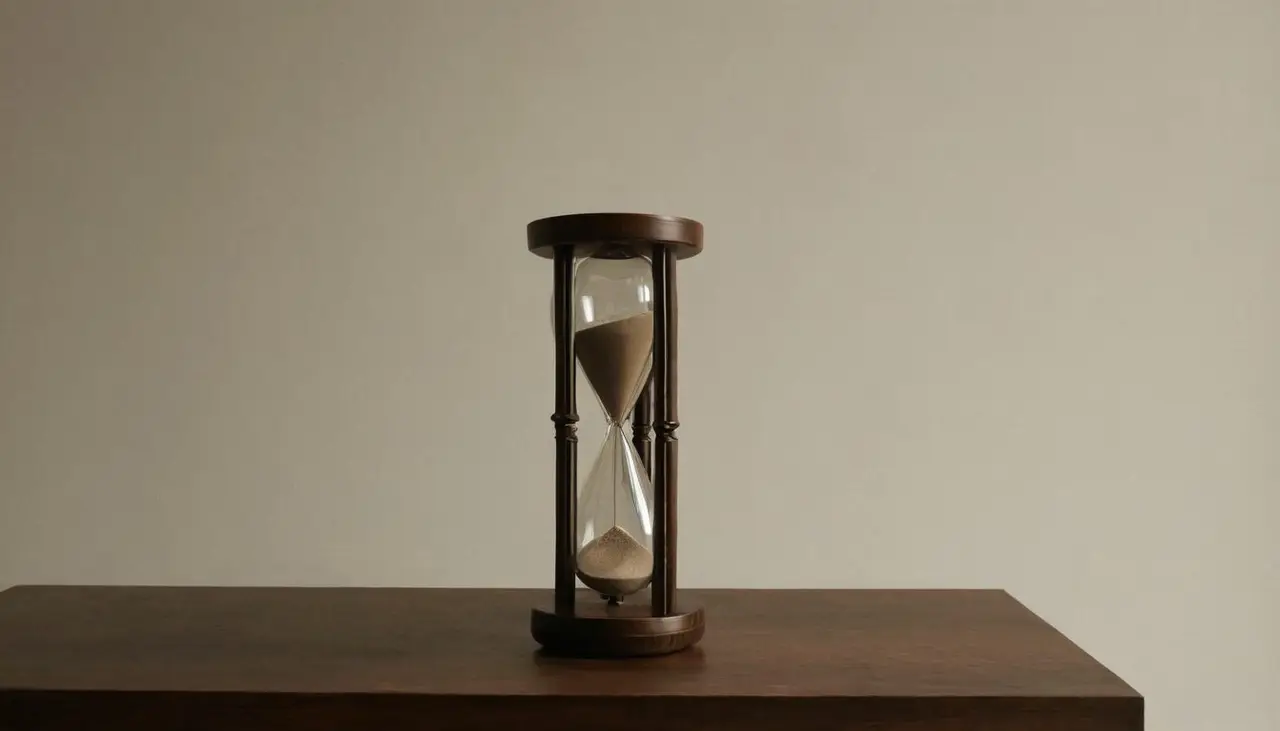
A bender is an extended stretch of heavy drinking. It is informal language, not a medical diagnosis.
The word usually means the drinking went past one ordinary occasion: many hours, overnight, a weekend, or several days. The exact length is less important than the loss of boundary.
The plain definition
People use "bender" for a bout of heavy drinking that keeps going longer than planned. One long night might be called a bender. Several days almost certainly will be. The word carries a control question inside it: when did the drinking stop being the plan and start becoming the event?
Health agencies do not usually define "bender." They define measurable patterns around it.
The National Institute on Alcohol Abuse and Alcoholism (NIAAA), the federal alcohol research agency, defines binge drinking as a pattern that brings blood alcohol concentration to about 0.08%, often 5 drinks for men or 4 for women within about 2 hours. The same page names a second, larger pattern: high-intensity drinking, meaning twice the binge amounts or more — 10 or more drinks for men, 8 or more for women. That one usually sits closer to what people mean by a bender than "binge" does.
Heavy drinking is counted by the week rather than the occasion. The NIAAA's clinician resource on defining how much is too much puts it at 4 or more drinks on any day or 8 or more per week for women, and 5 or more on any day or 15 or more per week for men.
Those are public-health reference points, not a scoreboard. "Bender" is the casual word people use when the episode feels extended.
Bender vs. binge drinking
A binge is a single-occasion pattern. A bender is usually a longer stretch.
The two can overlap. A bender can include binge-pattern drinking. A binge can happen without becoming a bender. The difference is not about identity. It is about time and momentum.
A U.S. standard drink contains 0.6 fluid ounces, or 14 grams, of pure alcohol, which is the unit behind binge and heavy-drinking thresholds. If the night involved large pours, strong cocktails, or high-ABV beer, the count may be higher than the glass count suggests.
For the single-occasion definition, read what counts as a binge. For the why-behind-it question, read why do I binge drink.
Why extended heavy drinking is higher risk
A bender matters because long heavy drinking stretches can move from regret into danger.
NIAAA warns that drinking a large amount of alcohol can cause alcohol overdose, when parts of the brain that control breathing, heart rate, temperature, and other life-support functions begin to shut down. Critical signs include mental confusion, trouble staying conscious, vomiting, seizures, slow or irregular breathing, and low body temperature. Any suspected overdose is a 911 emergency.
Do not wait for every sign. Do not let someone "sleep it off" if overdose is possible. Do not use this page as at-home management.
For a focused emergency page, see what is alcohol poisoning.
What it can signal
One bender does not mean someone has a drinking problem. Repeated benders deserve attention.
The signals are practical:
- Drinking continued after the planned stopping point.
- The next day started with more drinking.
- Work, family, driving, money, or safety got affected.
- You needed secrecy to keep it going.
- You felt unable to interrupt it once it started.
- You felt physically unwell without alcohol after the stretch.
None of those points is a label. They are reasons to talk to a clinician or a trusted support resource.
There is a narrower question available than "Am I the kind of person who goes on benders?" — ask what keeps happening before, during, and after these stretches.
Write down the plain sequence. Where did it start? How long did it last? When did the planned stopping point pass? What made it hard to stop? What happened the next morning? A blunt timeline often tells more than the word itself.
Urges are workable, but not always solo work
A bender can begin with a strong urge, a cue, or the first drink lowering the guardrails. NIAAA's Rethinking Drinking describes urges to drink as normal, often short-lived and predictable, and workable through recognizing triggers, avoiding them where possible, and using coping strategies. It also says that if urges stay difficult after a few weeks, reaching out to a professional is a good next step.
That is the non-shaming frame. The pattern can be noticed. The next step can be smaller than "solve my whole life." It might be: write down the first cue, remove one trigger, or ask a clinician how to change safely.
If the same cue keeps starting the stretch, focus there. If the first drink keeps lowering the guardrails, focus there. If the danger is the second day, when drinking starts again to feel normal or to avoid feeling bad, focus there. A bender is extended, so the interruption point sits earlier than the moment everyone else notices.
That is not a detox plan. It is a pattern note to bring into a safer conversation.
When to get help now
Call 911 for suspected overdose: confusion, trouble staying conscious, vomiting, seizure, slow or irregular breathing, pale or bluish skin, or very low body temperature.
Go to urgent or emergency care if stopping brings severe shaking, confusion, hallucinations, seizure, or other withdrawal-shaped symptoms. The severe end of alcohol withdrawal has a name: MedlinePlus calls it delirium tremens, describing sudden severe confusion, fever, hallucinations, and seizures, and warning that it may quickly become life-threatening. That is a 911 call, not a wait-and-see.
If you drink heavily every day, talk with a clinician before sharply cutting back or stopping. And if you have been through withdrawal before, that is a reason for more caution rather than less — repeat quit-and-restart cycles can make later withdrawals harder, not easier.
Talk with a clinician if benders repeat, if the drinking is becoming hard to stop once it starts, or if cravings keep overwhelming your plans.
Use the simplest possible wording: "I have had a few extended drinking stretches that I did not plan, and I want to talk about how to stop safely and prevent the next one." That is enough information to start.
FAQ
Does a bender have to last several days?
Not always. People use the word loosely. It usually means an extended heavy stretch, often many hours or days, with a sense that the drinking kept going past the original plan.
Is a bender the same as binge drinking?
No. Binge drinking is a defined single-occasion pattern. Bender is informal language for a longer heavy stretch. They can overlap.
Can I safely stop after a bender?
That depends on the drinking pattern and your body. If you drink heavily every day, have had withdrawal symptoms, or feel physically unsafe without alcohol, get clinical guidance rather than trying to manage it alone.
This article is general education, not a diagnosis, detox plan, taper guide, or overdose-management instruction; use 911 for suspected overdose or severe withdrawal symptoms.
- Body & physical health
Does Alcohol Cause Anemia? How Drinking Affects Your Blood
Heavy drinking can cause anemia by disrupting blood-cell production and nutrition. Why fatigue cannot diagnose it, and which bleeding signs need urgent care.
- Body & physical health
What Is Alcohol Poisoning? The Signs to Know and When to Call 911
A fast, safety-first guide to alcohol poisoning, the warning signs that matter, and why calling 911 comes before at-home fixes.
- Understanding your drinking
What Counts as a Binge?
Five drinks for a man, four for a woman, in about two hours — an occasion, not a week and not a diagnosis. How binge splits from heavy use, and what it misses.
- Body & physical health
Can Alcohol Cause Nerve Damage?
How long-term heavy drinking can damage peripheral nerves, what alcoholic neuropathy can feel like, and why new numbness or tingling belongs with a clinician.
- Body & physical health
Does Alcohol Make You Bruise Easily? What's Going On With Your Blood
Why heavy drinking can affect platelets, clotting, and bruising, how the liver fits in, and when new bleeding signs need medical attention.
- Understanding your drinking
What Is a Blackout From Drinking?
A blackout is a memory gap for events during intoxication — not passing out. Why someone can talk, text, and get home with none of the night recorded.


Be the first to hear when Clero launches.
Join with email only. Clero is still in development, so this is educational content today — not treatment, a prescription request, or medical advice.
First to hear at launchLaunch news only — no spamUnsubscribe anytime