
Do Drunk People Tell the Truth?
Not reliably. Alcohol lowers the filter, but it also warps judgment and memory — drunk words are information, not proof. How to weigh them and follow up sober.
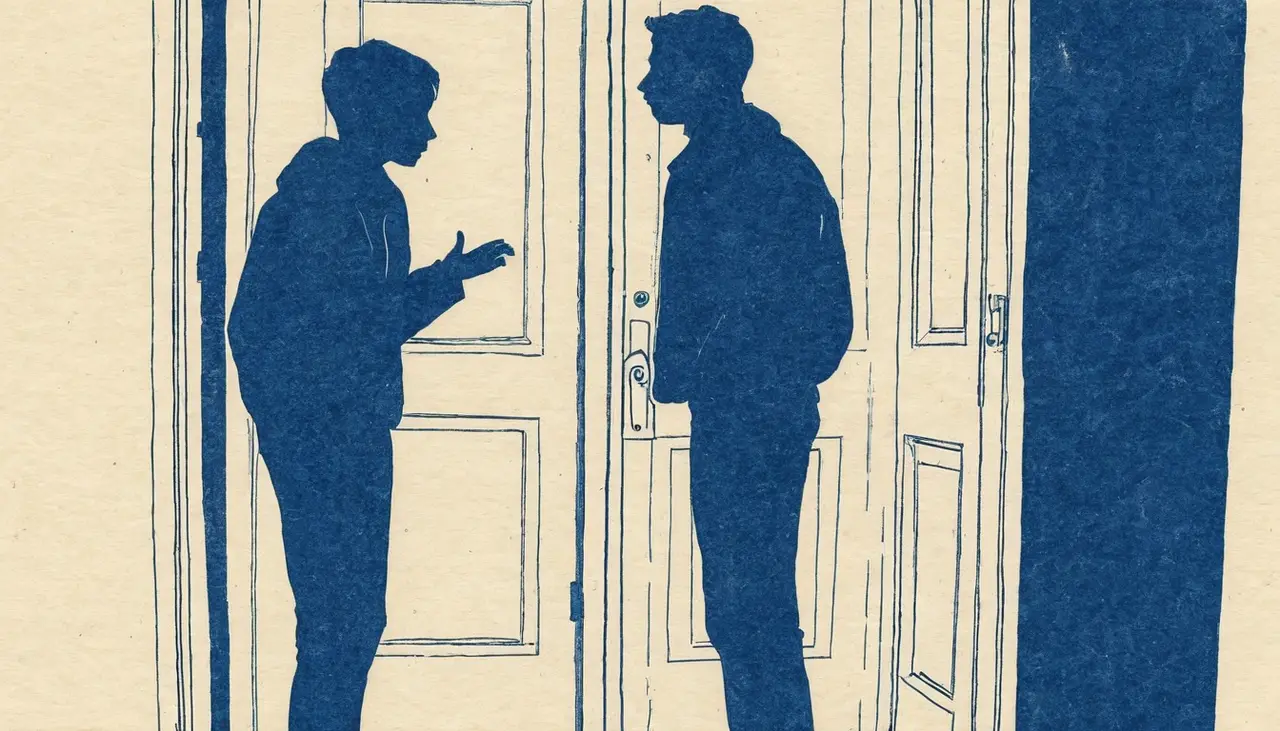
"Drunk words, sober thoughts" is a tempting rule because it makes a messy night feel readable. Someone said the cruel thing, the loving thing, the secret thing. The rule promises a shortcut: now you know.
But alcohol is not a truth serum. It can lower inhibition while also changing judgment, attention, coordination, and memory. The better question is not whether every drunk statement is true. It is what kind of information the statement gives you, and what requires a sober follow-up.
Why the saying sticks
The saying feels plausible because alcohol can remove the filter. A person may say something they were afraid to say sober, or say it in a blunter way than they normally would. That part is real enough to keep the myth alive.
The crack is that a lower filter is not the same as better truth. A broken gate lets more through. It does not sort what comes through.
Alcohol can make a passing feeling sound permanent, a half-thought sound certain, or a hurt reaction sound like a final verdict. It can also make someone say something they do not fully understand, remember, or mean in the way it landed.
Lowered inhibition is not proof
The core mistake is treating less inhibition as more accuracy. Less inhibition means fewer brakes. It does not mean better judgment. The same gap is why drinking can feel like confidence without being it — alcohol and confidence pulls those two apart.
NIAAA states that during a hangover, attention, decision-making, and muscle coordination can be impaired. That claim is about the after-period, but it is useful here because it reminds us that alcohol-related states are not clean windows into truth. They can affect the very abilities people use to choose words, read the room, and understand consequences.
This is why drunk truth should not be used like courtroom evidence. A statement can matter without being a complete confession. A hurtful comment can be unacceptable without proving the person's whole inner life. A loving comment can be meaningful without becoming a promise.
Memory changes the weight of the conversation
Memory is the second crack in the truth-serum idea. A review of alcohol-induced blackouts explains that a rapid rise in blood alcohol concentration can disrupt the hippocampus, which helps transfer short-term memories into long-term storage. That means someone may be awake, talking, and acting while later having gaps in what they remember.
That does not excuse harm. It changes how you follow up.
If you said something while drunk, "I do not remember" is not the end of the conversation. It may be true, and you may still need to hear what happened. If someone else said something while drunk, "They were drunk" is not enough to erase the impact. It means the next step should happen when everyone is sober enough to listen and answer clearly.
How to follow up when sober
Do not start with the verdict. Start with the observable thing.
Try: "Last night you said you were done with this relationship. I do not want to decide what you meant while alcohol was involved, but I need to ask about it now." Or: "I said something cruel last night. I want to know what you remember and take responsibility for the impact, even if my memory is incomplete."
The useful frame is not "Were you finally honest?" It is:
- What was said? Keep it specific.
- What happened around it? Alcohol amount, conflict, stress, setting, and memory gaps all matter.
- What needs repair or safety now? Apology, boundary, space, or urgent help may matter more than interpretation.
CDC lists memory problems and relationship problems among issues associated with long-term alcohol use. If drunk conversations are repeatedly becoming the main place important feelings come out, the drinking pattern is part of the relationship pattern. And when those conversations keep happening by text specifically, drunk texting when you're cutting back looks at rebuilding the pause that alcohol removes.
Treat safety comments differently
Some drunk statements should not wait for a debate about truth. If someone talks about self-harm, suicide, violence, coercion, or immediate danger, treat it as a safety issue first.
The 988 Suicide and Crisis Lifeline offers free, confidential 24/7 call, text, and chat support for people in suicidal crisis or emotional distress. If there is imminent danger, call emergency services. The question "Did they mean it?" can come later. The safety step comes first.
This also applies to your own words. If alcohol keeps bringing out statements that scare you, or if you feel unsafe with yourself when drinking, do not turn that into a private character trial. Get help in the moment.
What the myth gets half right
The myth is not useless. It points to something worth noticing: alcohol can reveal pressure already in the system. It may show that a topic is unresolved, a resentment is active, a feeling has been avoided, or a drinking pattern is making ordinary conflict harder to contain.
It just cannot do the whole job. The sober conversation is where meaning gets tested. That is where memory, consent, repair, and decisions belong.
FAQ
Do drunk words reveal sober thoughts?
Sometimes they reveal a real feeling. Sometimes they reveal lowered inhibition, poor judgment, confusion, or a momentary reaction. Treat them as information, not proof.
Should I believe an apology someone gave while drunk?
Wait for the sober version. A drunk apology may matter, but repair needs a clear conversation and changed behavior when alcohol is not steering the moment.
What if I said something awful and barely remember it?
Memory gaps do not erase impact. Ask what happened, apologize for the harm, and look at whether alcohol is repeatedly putting you in situations where your words or behavior do damage.
This article is general education, not relationship, legal, or crisis counseling. If a drunk statement involves self-harm, suicide, violence, coercion, or immediate danger, use 988 or emergency services now.
- Cutting back & moderation
When Your Doctor Told You to Cut Back but Didn't Tell You How to Start
What to ask after a clinician says to cut back on drinking but does not give a clear target, timeline, or first step.
- Body & physical health
Does Alcohol Kill Brain Cells? The Myth vs What Really Happens
Alcohol does not melt brain cells on contact, but heavy patterns can disrupt memory, brain structure, and recovery. What blackouts and wet brain mean.
- Understanding your drinking
Drinking and Gaming: Does Alcohol Improve or Hurt Your Focus?
A few drinks can make gaming feel looser, but alcohol dulls attention, memory, and reaction time. Why it feels like better play — and how to spot the slide.
- Medication & treatment
Do I Have to Tell My Doctor I'm Cutting Back on Drinking?
No, you don't have to tell your doctor you're cutting back — but one honest sentence usually helps more than it costs. When it matters, and how to start small.
- Body & physical health
How Long Does Alcohol Stay in Your System? The Honest Math
Alcohol leaves your system on the liver's schedule — coffee, showers, and sleep don't speed it up. Why feeling sober isn't proof, and why test windows differ.
- Medication & treatment
How long should people take naltrexone?
There's no fixed number of months people should take naltrexone — the length follows your goal, not a calendar. What decides it, and the questions worth asking.


Be the first to hear when Clero launches.
Join with email only. Clero is still in development, so this is educational content today — not treatment, a prescription request, or medical advice.
First to hear at launchLaunch news only — no spamUnsubscribe anytime