
Clear answers about drinking less.
Careful articles about privacy, moderation, naltrexone, and the practical questions people often ask in private.

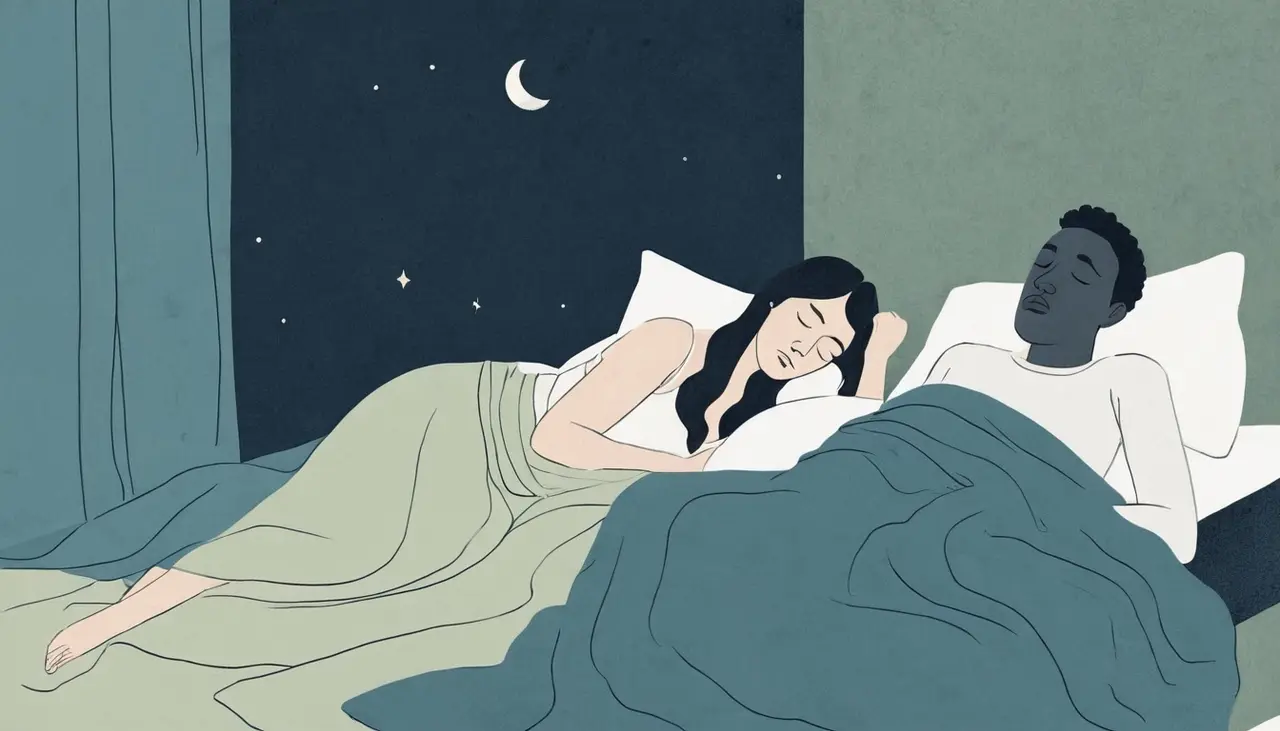
Alcohol and Sleep Apnea
Alcohol can worsen sleep apnea by relaxing throat muscles and breaking up sleep. How to read snoring, gasping, and next-day sleepiness.
A private naltrexone option is coming soon.
We are planning a private option for adults exploring prescription naltrexone for alcohol use disorder. Join the launch list to hear first.
Alcohol Education
360 articles

What to Do After a Slip: Restart Strategies That Do Not Start With Shame
A low-stigma guide to restarting after a drinking slip, with practical next-day steps, pattern noticing, and waitlist-only next steps.

Drinking Less for Better Sleep: What to Notice
A health-motivated guide to testing whether drinking less changes your sleep and mornings, without treatment claims.

Worried About Drinking Around Your Kids? What to Notice First
A low-shame guide for parents who are worried their drinking is becoming part of what their kids see, hear, and remember.

Drinking Alone: Signs Worth Noticing Without Labeling Yourself
A private, low-stigma guide to noticing solo drinking patterns, asking better self-check questions, and knowing when to talk to someone.

What is an alternative to Alcoholics Anonymous (AA)?
Alternatives to AA include SMART Recovery, LifeRing, SOS, Recovery Dharma, Moderation Management, therapy, telehealth, and medical review.

What is alcohol use disorder treatment online?
Online alcohol use disorder treatment provides remote access to medical care and behavioral support through telehealth platforms. In 2024, only 7.6% of people with alcohol use disorder received treatment. Private, medication-supported online programs address privacy concerns and access barriers for the 27.9 million Americans affected by alcohol use disorder.

What is telehealth alcohol treatment?
Telehealth alcohol treatment is online medical care for people seeking to reduce or stop drinking.

How to quit drinking alcohol?
Quitting or reducing alcohol use involves behavioral strategies like tracking your intake and identifying triggers, combined with professional support when needed.