
When Friends Stop Inviting You Out After You Cut Back
What it can mean when invitations shrink after you start drinking less, how to read the pattern, and when loneliness needs support.
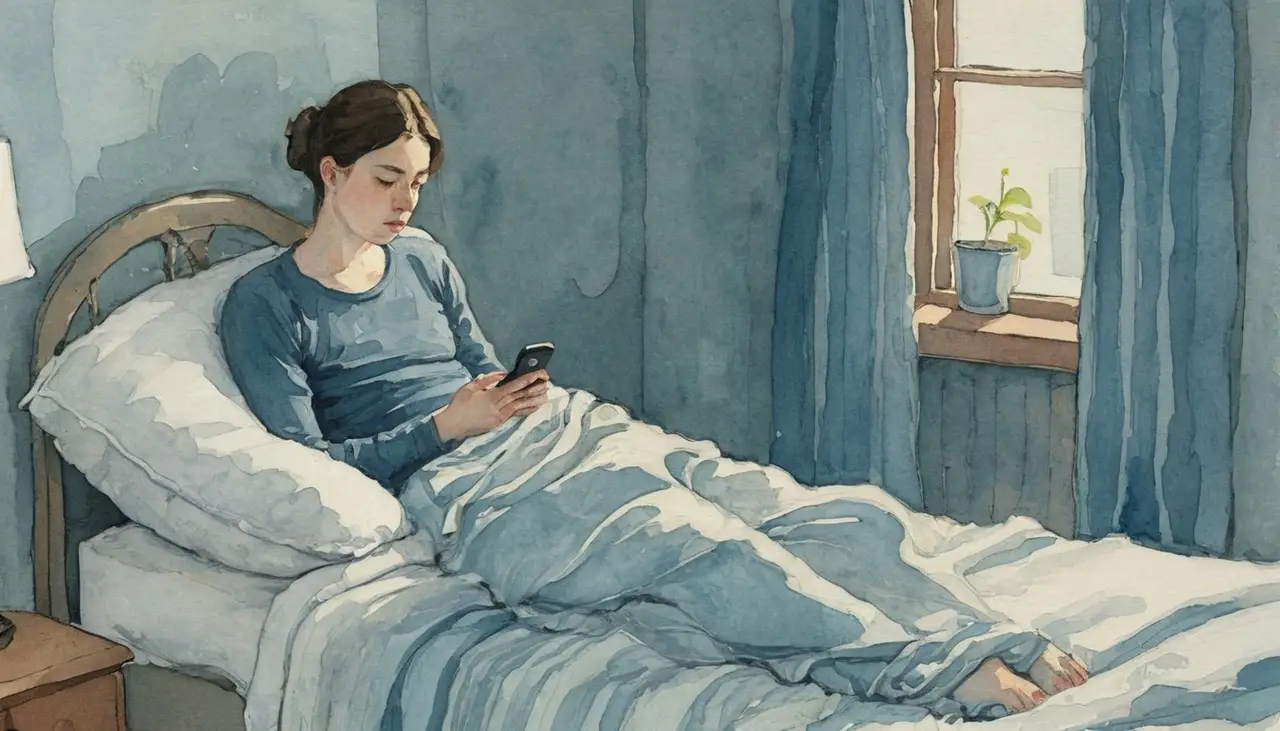
The photos arrive Sunday morning, the way they do now. Eleven of them, posted at 1:40 a.m.: the corner booth, the amber light, someone's arm slung around someone's neck, a table crowded with empty glasses and one plate of nachos nobody finished. You were awake at 1:40. You were home, grapefruit seltzer going flat on the nightstand, phone face-down like a discipline. Nobody texted.
There was no fight. That is the strange part. Nobody announced anything, nobody was blocked, and if you asked any one of them they would say — with real warmth — that they miss you and you should come out sometime. The invitations just thinned. A Friday skipped here, a birthday you heard about afterward there, until the group chat became a place where plans were referenced rather than made.
If the drinking part of your life got smaller recently, this thinning lands with a particular sting, because it arrives exactly when you are doing something hard and could have used the company.
The obvious question is why they stopped asking. The truer question usually sits underneath it: what was holding those nights together in the first place? The people — or the amber light, the specific looseness of a room where everyone is two drinks in and nobody is fully accountable to tomorrow?
Some of it, honestly, was the alcohol. Not because your friends are shallow, but because drinking is the default architecture of adult social life in this country. NIAAA's 2024 survey summary puts it plainly: about 174.4 million U.S. adults — 66.5% — drank alcohol in the past year. Build a social calendar anywhere inside that majority and rounds, happy hours, and "one more?" become load-bearing walls. Remove your section of the wall and the whole room shifts. People feel it before they understand it.
And your friends are guessing too. Someone who knows you cut back often has no idea what the etiquette is now. Is a bar invite unkind? A temptation? Are you silently auditing their third drink? NIAAA describes stigma as a pervasive barrier around alcohol — mostly meaning the shame that keeps people from seeking care — but friend groups run a smaller, domestic version of the same silence. Nobody wants to say the wrong thing, so nobody says anything, and the invitation dies of caution.
That silence is bigger than one group chat. In 2024, an estimated 27.1 million U.S. adults had past-year alcohol use disorder, per NIAAA — yet only about 2.0 million of them, roughly 7.5%, received any alcohol-related treatment that year. Not because help doesn't work — partly because the subject goes unsaid, even with a clinician. A culture that quiet about drinking was never going to be fluent about someone drinking less.
Once you start reading the pattern instead of just absorbing it, some of it is almost funny.
There is the you-would-have-hated-it report, delivered after the fact with genuine tenderness: it was so loud, everyone got wrecked, you didn't miss anything. Kindness, technically. It still stings, because you wanted the chance to hate it in person.
There is the discovery that one person was doing all the inviting. The group was never a web; it was a wheel, and the hub moved away, or had a baby, or started drinking at home. Nobody stopped inviting you specifically. The inviting itself stopped.
And there is the quieter find: the two friends who keep showing up anyway. The ones who would rather walk the reservoir at nine on a Saturday than shout across a bar, and whom you might never have really seen under the old light.
What actually moves the needle here is small and slightly embarrassing: skip the group chat and text one person. Something like, "I still want to be invited. I'll probably leave early and I won't drink much, but I miss you guys." Two sentences. It answers the question your friends were too careful to ask, and it works better than waiting for the group to develop telepathy. If you never quite told them what your cutback means — whether you're off drinking entirely, off bars, or just off the fourth round — how to talk to friends about cutting back is the longer version of that conversation.
Then make one plan that doesn't orbit a bar and keep it. Not a replacement life. One plan.
At some point, probably in a low week, the bargain will present itself: you could just drink again. Order the beer, reclaim the booth, be easy to invite.
Take the question seriously, because it deserves a real answer rather than a slogan. Drinking again would probably restore some invitations — the amber-lit room does reopen for people who rejoin its rules. But look closely at what you actually miss. It is rarely the drink; it is being wanted, being thought of at 6 p.m. when plans form. Belonging bought back at the price of whatever made you cut back tends to feel like renting your own life. And the reason you changed — the sleep, the money, the Sunday dread, whatever it was — will still be there, unimpressed, in the morning. If the urge to drink shows up riding on the loneliness, that combination has its own playbook: how to handle alcohol cravings and urges.
Watch the loneliness itself, too, the way you'd watch weather. Day-of FOMO — the Saturday-night ache while the photos accumulate — is normal and survivable. Loneliness that follows you into Tuesday, flattens things you used to enjoy, and starts whispering that none of it matters is a different animal; alcohol and loneliness covers how those two feed each other. And if it ever tips from missing people into hopelessness or thoughts of harming yourself, that is not a friendship-strategy problem — call or text 988, today.
Here is the inversion worth sitting with. Under the old light, you could not tell which friendships were about you and which were about the room. Everyone glows in a corner booth at midnight. The thinning — painful as it is — is information you could not have gotten any other way. Fewer rooms, but the lights are on in the ones that remain, and the people in them came for you.
The photos will arrive again next Sunday. Let them. Somewhere between the coffee and the second cup, there is one person who would honestly rather see you than not.
Send the text before the coffee gets cold.
This article is general education, not medical advice. If loneliness slides toward hopelessness or thoughts of self-harm, call or text 988. If you drink heavily every day, talk with a clinician before stopping suddenly — and treat confusion, hallucinations, or a seizure after stopping as a 911 emergency. For confidential treatment referrals, the SAMHSA National Helpline is 1-800-662-HELP.
- Body & physical health
Does Alcohol Affect Your Taste Buds and Sense of Smell?
Yes — alcohol really can change how things smell and taste, dulling some senses and sharpening others. What's moving, and what recovers if you cut back.
- Cutting back & moderation
The 'Damp' Lifestyle, Explained: Drinking Less Without Going Fully Sober
What "damp" and "soberish" mean, how they differ from Dry January and moderation, and when a middle path may need more support.
- Social events & holidays
How to Handle Pride Events When You're Cutting Back on Drinking
A practical Pride Month pacing guide for brunches, parades, block parties, clubs, and house gatherings when you want the day to include less alcohol.
- Social events & holidays
How to Handle the Fourth of July When You're Cutting Back
A ten-hour Fourth of July pours itself unless you set edges first. Decide your leave time and drink number in the car, then keep a non-alcoholic can in hand.
- Family & relationships
How to Set Boundaries With Family When You're Cutting Back on Drinking
A calm guide to extended-family drinking pressure, short answers, and exit plans when you are trying to drink less.
- Understanding your drinking
When Relatives Blame You for a Loved One's Drinking
You can answer blame without accepting ownership of another adult's drinking. Sort the message, protect privacy, and stop repeated blame loops.


Be the first to hear when Clero launches.
Join with email only. Clero is still in development, so this is educational content today — not treatment, a prescription request, or medical advice.
First to hear at launchLaunch news only — no spamUnsubscribe anytime