
Is Drinking Affecting Your Work? The Signals Before Anyone Says Anything
A private work-performance audit for alcohol, sleep, focus, productivity, and the early signals competent people often notice first.
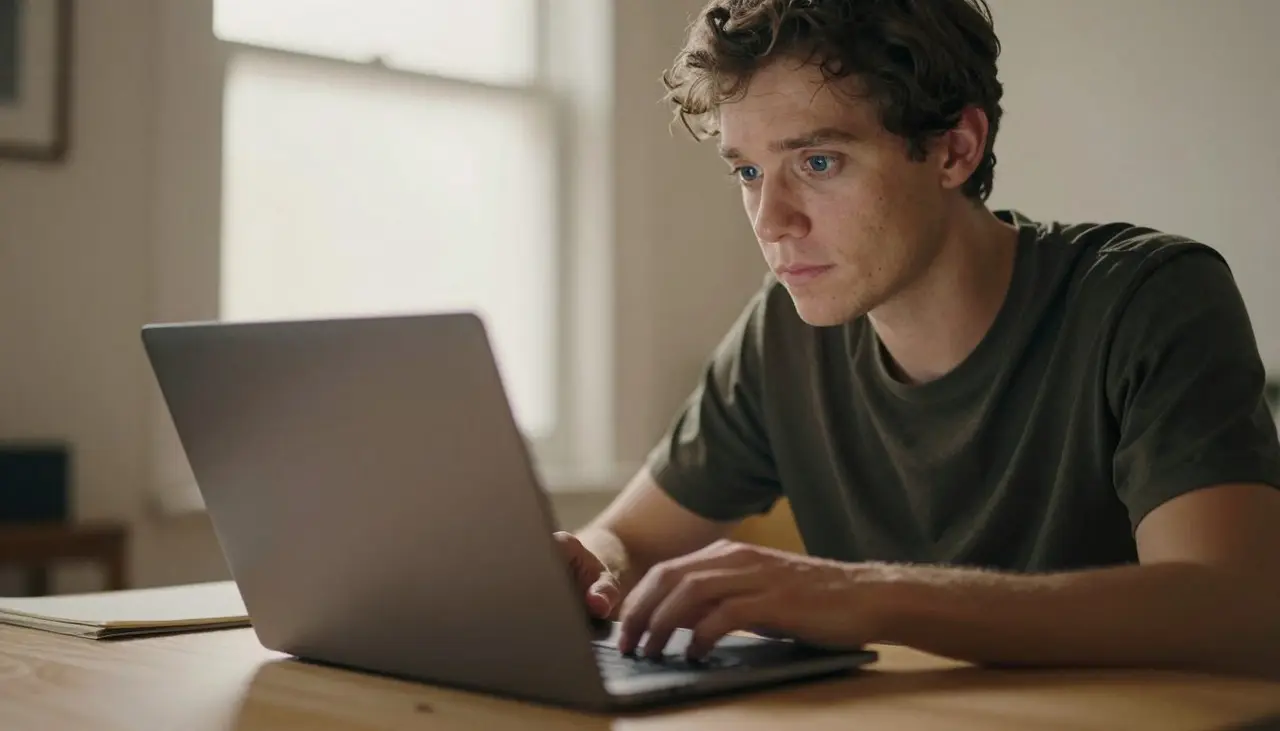
Drinking usually affects work before anyone says anything.
It shows up as protected mornings, softer deadlines, shorter patience, less ambitious thinking, and the quiet sense that you are doing enough to pass but not enough to be sharp.
The first signals are private
Most people do not begin with a dramatic work event. They begin with friction.
You move hard meetings away from mornings. You avoid camera-on calls after heavy nights. You reread the same paragraph three times. You answer the easy emails and leave the strategic work untouched. You get through the day, but the day takes more from you than it used to.
That is still data.
The useful question is not "Have I ruined my career?" It is "Is alcohol lowering my baseline often enough that I can see it?"
The sleep, energy, focus chain
Alcohol can make sleep feel easier at the front end and worse in the second half of the night. The next workday pays for that. Less deep rest means less patience, less working memory, less verbal control, and less capacity for the boring tasks that actually move a job forward.
That is why the cost often lands at 2 p.m., not at the bar. The drink was last night. The slide deck, client note, code review, sales call, school pickup, or performance conversation is today.
If you keep telling yourself you are just tired, ask the next question: tired after what pattern?
The population version is not subtle
The CDC's analysis of excessive alcohol use put the U.S. economic cost at 249 billion dollars in 2010, with lost workplace productivity as the largest component.
NIAAA's economic-burden research tells the same broad story: alcohol misuse is a major national cost driver, and the cost is not only made of crashes or medical crises. It is also everyday reduced functioning.
A population number proves nothing about your desk. What it shows is company: this connection is common enough to be measured in billions, not a rare failing reserved for people who have already been confronted.
Run the two-week work audit
Do not start with a label. Start with a table.
For two weeks, track five things:
- drinks and stop time;
- sleep quality;
- morning clarity;
- afternoon energy;
- one honest work-output marker.
The work marker should be specific enough to matter. Did you do the hard task first? Did you avoid a meeting? Did you send work you would not have sent on a sharper day? Did you need extra time to do a normal task? Did you coast?
Then compare drinking nights with workdays. You are not looking for perfection. You are looking for a pattern strong enough that you would advise a colleague to take it seriously.
Use objective anchors
Feelings can bargain. Numbers are less slippery.
NIAAA's thresholds are one anchor. Over 4 drinks in a day or 14 in a week for a man. Over 3 in a day or 7 in a week for a woman. Past those lines, the pattern itself is a concern.
Those numbers do not decide your whole future. They help separate "I am probably fine" from "my pattern is objectively close to a line worth discussing."
There is another normalizing anchor. The U.S. Preventive Services Task Force recommends routine screening for unhealthy alcohol use in adults in primary care. In other words, asking whether alcohol is affecting function is ordinary medicine.
If the audit says yes
Do not start with a speech at work. Start with the nights that fund your work.
Protect the night before the meeting that matters. Set a hard stop time on weeknights. Move the first drink later. Put two alcohol-free nights before your highest-value workdays.
Then tell a clinician the actual numbers if you are near the risk thresholds. If no clinician comes to mind for a topic like this, Clero sets up that conversation by telehealth — a licensed clinician who can take the audit seriously with you and talk through what a workable next step looks like, including whether medication belongs in the discussion. And if stopping suddenly makes you feel unwell, see your own doctor or urgent care promptly rather than pushing through.
Nobody is asking you to become a different person by Monday. The assignment is narrower: stop donating your best hours to last night's pattern.
For related reading, see hangover at work, drinking after a really hard workday when you are cutting back, drinking and your energy the second day after, and do I have to tell my doctor I am cutting back on drinking.
FAQ
Can alcohol affect work even if I never drink during work?
Yes. The main cost may come from sleep, energy, mood, memory, and focus the next day.
What if nobody has noticed?
That does not answer the question. High-functioning people often see the drop before anyone else does. Your own audit counts.
Do I have to tell my employer?
This article is not workplace or legal advice. If your concern is private functioning, start with your own pattern and a clinician conversation, not workplace disclosure.
This is general education, not medical, employment, or legal advice. If you drink heavily every day or feel withdrawal symptoms when cutting back, talk with a licensed clinician before stopping suddenly.
- Quitting & sobriety
What Happens When I Stop Drinking? A Realistic Look at the First Weeks
A realistic first-weeks timeline for sleep, mornings, energy, focus, blood pressure, and withdrawal safety after stopping alcohol.
- Social events & holidays
When Coworkers Notice You're Not Drinking at the Office
A short, prewritten line — 'Not tonight, early morning' — closes the question fast. What to say to peers vs. managers, and why ordering your drink first helps.
- Mind & mood
A 10-Minute Morning Routine To Ease Hangxiety Before Work
Hangxiety before work needs a fast shape: water and food, slow breathing, a small reset, and one plan for the first hour.
- Social events & holidays
Drinking When Traveling for Work
Work trips attach a drink to every stop — gate, flight, hotel room, reception, dinner. Map the route before you pack and decide the hardest stop early.
- Social events & holidays
How to Handle Work Dinners When You're Cutting Back on Drinking
Work dinners drink at the table's pace unless you set yours first. Pick your first-order line and your number before you sit down — no speech required.
- Understanding your drinking
Is It Bad To Have a Drink After Work?
A drink after work isn't automatically bad — the pattern is what matters. How to tell when one drink is carrying too much weight, and the self-check to run.


Be the first to hear when Clero launches.
Join with email only. Clero is still in development, so this is educational content today — not treatment, a prescription request, or medical advice.
First to hear at launchLaunch news only — no spamUnsubscribe anytime