
High-Functioning Alcoholic: Why the Label Can Mislead
"High-functioning alcoholic" is a common search phrase, not a diagnosis. The more useful question is what alcohol is costing and whether control is getting harder.
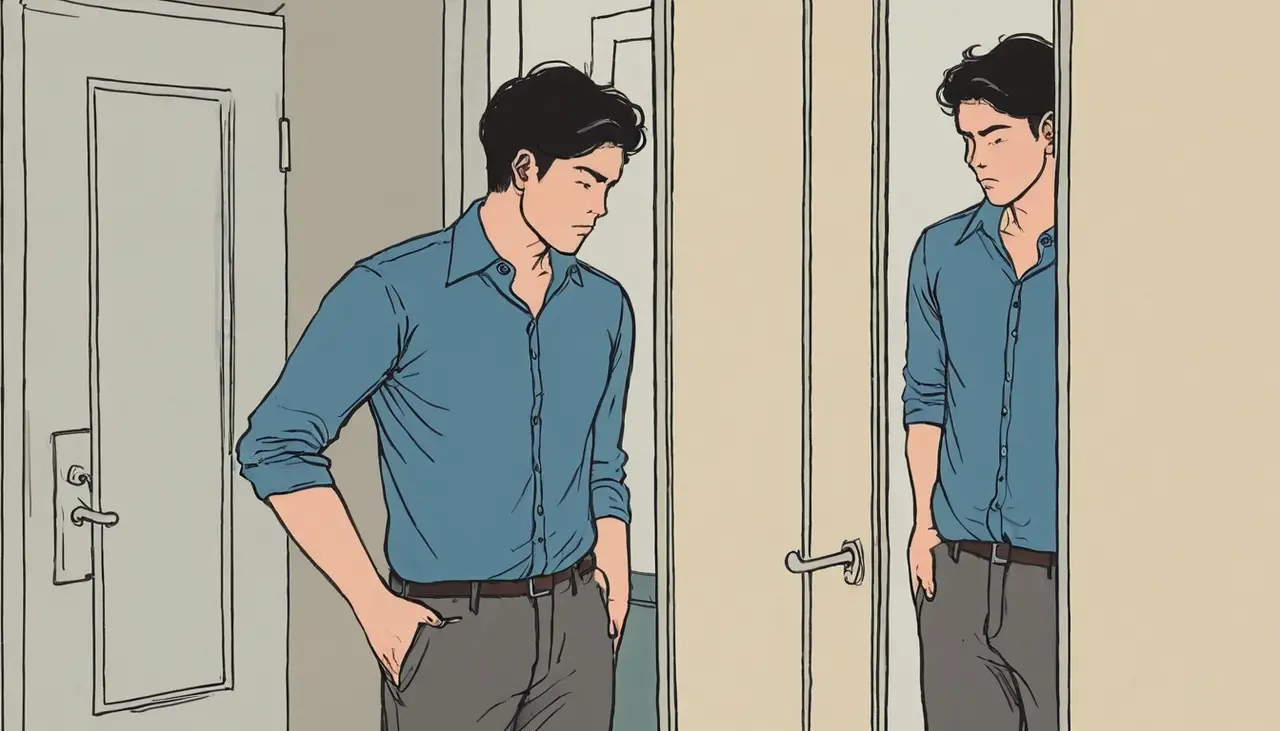
"High-functioning alcoholic" sounds like a loophole. The phrase suggests that if work gets done, bills are paid, and no one has staged a crisis, the drinking might not count.
That is the belief to question. Functioning on the outside can coexist with a drinking pattern that is costing you privately. The useful question is not whether the label fits. It is what alcohol is costing and whether control is getting harder.
Why the label sticks
The phrase gives people a way to describe a contradiction: "I am doing well, but something is wrong."
That contradiction is real. A person can perform at work, parent, keep promises, and look composed while paying for drinking in sleep, anxiety, secrecy, money, health signals, relationships, or the private effort required to keep the pattern from being noticed. Outside performance is visible. Inside cost often is not.
The phrase also creates a trap. If "functioning" becomes the test, then only collapse counts. That is backwards.
There is a second question worth asking: "What am I using functioning to avoid seeing?" Sometimes the answer is sleep. Sometimes it is the amount of effort it takes to act normal. Sometimes it is the fact that every attempt to take a quiet break from drinking turns into a negotiation by day three. The label lets you debate identity. The pattern gives you something concrete to examine.
The crack in the idea
Functioning is not the same as control.
NIAAA describes alcohol use disorder as involving impaired ability to stop or control alcohol use despite adverse social, occupational, or health consequences. Notice what that does and does not say. It does not say every person must lose a job or become visibly unable to function before the pattern matters. It points to control and consequences.
The "high-functioning" frame can hide consequences because it only counts the public ones. If you are still getting promoted but cannot sleep without drinking, that matters. If no one knows but you keep breaking private limits, that matters. If you look fine at 9 a.m. because you spent all morning recovering, that matters too.
What to look at instead
Use questions, not a quiz.
- What do I have to arrange around drinking or recovering from drinking?
- Am I making rules I do not keep?
- Do I feel anxious when alcohol is not available?
- Am I hiding amounts, timing, or frequency?
- Is drinking affecting sleep, mood, work quality, relationships, money, or health?
- Do I feel irritated when someone questions it?
- Have I tried to change the pattern and found it harder than expected?
These questions do not diagnose you. They move the attention from the label to the pattern.
They also protect against the opposite mistake: deciding that any private concern means the worst possible label applies. A pattern can deserve attention before it becomes a crisis. You are allowed to ask about control, consequences, and safety without first proving that your life is falling apart.
Population figures can help de-dramatize the topic without minimizing it. In 2024, NIAAA estimated that 27.1 million U.S. adults had past-year alcohol use disorder, and about 14.4 million U.S. adults reported past-month heavy alcohol use. Those numbers do not decide anything about you. They show that this is a common enough health question to discuss plainly.
Language that lowers shame
You do not have to call yourself an alcoholic to take your drinking seriously.
NIAAA encourages medically accurate, person-first language when discussing AUD and stigma. In practice, that can sound like: "I am worried about my control," "I am looking at my drinking," "I want to cut back," "I am concerned about what alcohol is costing me," or "I want to ask a clinician some questions."
That language does not soften the issue. It makes it easier to face without turning the whole conversation into identity.
When safety comes first
If you drink heavily or daily, stopping suddenly can be dangerous even if you are still functioning well in public. MedlinePlus describes alcohol withdrawal as a serious condition that can quickly become life-threatening. Shaking, sweating, severe anxiety, confusion, hallucinations, seizures, fever, or an irregular heartbeat are not signs to manage with pride. Severe confusion, hallucinations, seizures, fever, or an irregular heartbeat call for 911 or an emergency room.
If the issue is not an immediate emergency but you want confidential referral information, SAMHSA's National Helpline is available at 1-800-662-HELP.
The corrected picture is less dramatic and more useful: your life does not have to fall apart before alcohol deserves attention.
That is the adjacent answer the search often needs. The phrase "high-functioning" can make you ask whether you are sick enough to qualify for concern. Health does not work that way. If alcohol is taking more from you than you are willing to keep paying, the concern already counts.
You can begin with a narrow question: "I am functioning, but I am worried about control." That is enough to start. And if you would rather not begin with an in-person visit, Clero can connect you by telehealth with a licensed clinician who can review your drinking and health history and discuss the options, including whether medication is one worth considering.
Plain language is often the safest doorway into an honest answer.
FAQ
Can I be doing well at work and still have a drinking problem?
Yes. Work performance is one piece of information, not the whole picture. Control, private consequences, recovery time, secrecy, sleep, health signals, and relationships can matter even when work still looks fine. To test the work piece on its own, the private signals that show up before anyone comments are the ones to track.
Is "high-functioning alcoholic" a diagnosis?
No. It is a common phrase, not a clinical diagnosis. A clinician would use more precise language, such as alcohol use disorder, and would look at control, consequences, history, and safety.
What should I say if I hate the label alcoholic?
Use plain, specific language: "I am worried about my drinking," "I am having trouble cutting back," or "I want to understand whether alcohol is costing me more than I admit." You do not need to accept a label before asking better questions.
This article is general education, not a diagnosis or medical advice. If stopping could trigger withdrawal, involve a licensed clinician; emergency withdrawal symptoms need 911 or an emergency room.
- Body & physical health
Mixing Alcohol and Energy Drinks: Why 'Wide Awake Drunk' Is Riskier Than It Feels
Caffeine does not cancel out alcohol; it can make impairment harder to feel. Know the CDC risk pattern and when mixed drinks become a 911 issue.
- Body & physical health
Alcohol and Aging: Why Drinking Can Start To Hit Differently
Alcohol can hit harder with age because sleep, tolerance, medications, and recovery time all shift. What changed around your drinking matters more than your age.
- Body & physical health
Alcohol and Gut Health
Alcohol hits the gut in specific ways: more stomach acid, a looser valve at the top, a leakier gut wall. Why the morning after is a cluster, not one symptom.
- Body & physical health
Does Alcohol Affect Men and Women Differently? Yes — Here's Why
Yes, women often reach a higher blood alcohol level from the same drink count. See why body composition matters and comparisons with a partner can mislead.
- Understanding your drinking
Wanting a Drink in the Morning: What It Can Mean, Without the Panic
No, a morning craving is not the same as dependence — but relief drinking is medical information. What the timing can mean, and why stopping abruptly can be risky.
- Cutting back & moderation
Hobbies to Replace Drinking When You Cut Back
A category-level guide to finding low-pressure activities that can fill the time, hands, and attention alcohol used to occupy.


Be the first to hear when Clero launches.
Join with email only. Clero is still in development, so this is educational content today — not treatment, a prescription request, or medical advice.
First to hear at launchLaunch news only — no spamUnsubscribe anytime