
Delirium Tremens: What It Is and How to Treat It
A 911-first explanation of delirium tremens, why DTs are a medical emergency, and why treatment belongs in clinical care.
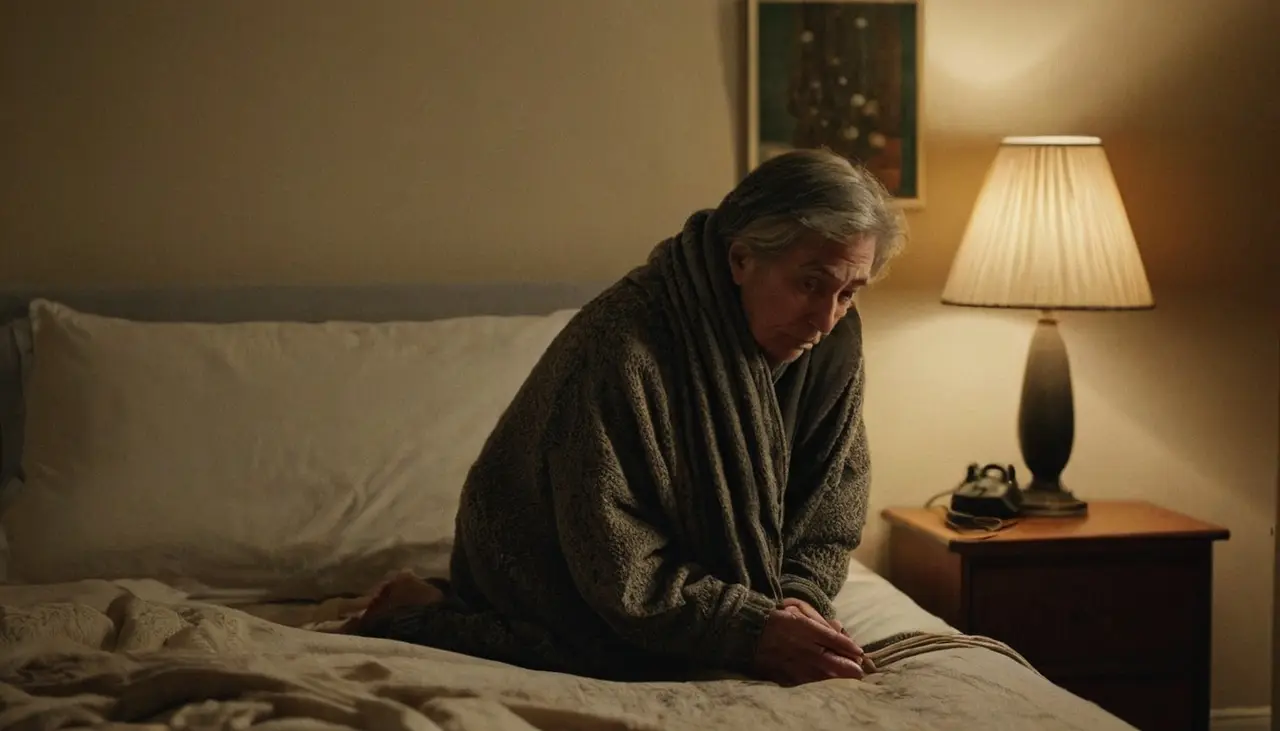
After cutting back or stopping alcohol, call 911 or get to an emergency room right away if you or someone you are with has any of these symptoms:
- Severe confusion
- Hallucinations (seeing or hearing things that aren't there)
- Fever
- A seizure
- Can't be woken up
Delirium tremens is a medical emergency, and waiting to see whether it passes is the wrong move.
That is the whole answer, up top, because a person reading this may be reading it in a hurry. The rest of this page explains what delirium tremens actually is, why it turns dangerous so fast, and — for anyone who drinks heavily and is thinking about stopping — how to keep it from becoming a crisis in the first place.
What delirium tremens actually is
Delirium tremens, usually shortened to DTs, is the most severe form of alcohol withdrawal. It is not a bad hangover, ordinary morning shakiness, or run-of-the-mill anxiety. It is a state where a person's thinking comes apart — sudden severe confusion, agitation, hallucinations — while the body itself becomes unstable, with fever, a racing heart, and heavy sweating. MedlinePlus, the National Library of Medicine's consumer health service, describes DTs as a severe form of withdrawal that can bring on that combination of confusion, fever, hallucinations, and seizures.
To see why this happens, it helps to know what heavy drinking does to the brain over time. The brain runs on a balance between signals that rev it up and signals that calm it down. Alcohol pushes hard on the "calm down" side. Do that heavily for months or years and the brain fights back to stay level — it turns down its own calming machinery and turns up the excitatory side to compensate. A review in Alcohol Research: Current Reviews lays out the chemistry: chronic alcohol boosts the brain's main inhibitory (calming) system and suppresses its main excitatory (revving) one, so the brain adapts by quieting the first and amplifying the second.
The trouble comes when the alcohol is suddenly gone. Now nothing is pushing on the "calm down" side, but the brain's countermeasures are still running at full tilt. The excitatory system, cranked up with nothing to oppose it, drives the whole nervous system into overdrive — and that runaway excitement is what can produce the hallucinations and seizures at the severe end of withdrawal. The car has been driving with the parking brake on for years; pull the brake off all at once and it lurches forward.
The signs that mean call 911
Some of alcohol's aftereffects are miserable but not emergencies. DTs are the opposite, and the signals are specific. MedlinePlus is direct about it: go to the emergency room or call 911 if there are seizures, fever, severe confusion, hallucinations, or an irregular heartbeat after stopping or cutting back on alcohol.
In plainer terms, treat any of these as a reason to call, after a person has recently stopped or sharply reduced heavy drinking:
- They can't stay oriented — deeply confused about where they are, what's happening, or who's around them.
- They're seeing, hearing, or feeling things that aren't there.
- A seizure, or any period of shaking they can't control and don't come out of clearly.
- Fever, a pounding or irregular heartbeat, drenching sweat, severe agitation — the body running hot and fast.
- They can't be woken up, or aren't responding normally.
You do not need the full list to act. One of these, in someone who recently stopped or cut back, is enough. A person in this state usually can't judge their own condition — that job falls to whoever is with them.
Why "wait and see" fails here
With most withdrawal symptoms, a person can tell you roughly how they feel and whether it's getting worse. DTs break exactly that ability. Someone can sound partly coherent one minute and be badly confused the next, because the confusion and the unstable body signs come and go. That is why self-assessment is unreliable and why the timing is deceptive.
The timing is worth stating plainly, because people use it to talk themselves out of calling. MedlinePlus notes that withdrawal symptoms tend to start within about 8 hours of the last drink and often peak between 24 and 72 hours — so the most dangerous window can arrive a day or more after someone stops, when they may assume they're past the worst. Do not use the clock to rule out danger. If the symptoms above are present, the hour count doesn't change what to do.
Alcohol withdrawal is not just uncomfortable; in some cases it is life-threatening. MedlinePlus says it plainly: most people who go through alcohol withdrawal recover fully, but death is possible, especially if delirium tremens occurs. This is why anyone who drinks heavily should talk with a clinician before stopping and consider withdrawing in a medically supervised setting, where a care team can monitor symptoms and step in when needed.
Who is more at risk — and why history matters most
There is no simple score that says who will develop DTs. Clinicians weigh a whole picture: how much and how long someone has been drinking, their age, other medical problems, other substances, nutrition, infection, and — importantly — what past attempts to stop looked like.
That last factor carries real weight. The same withdrawal research describes a pattern called kindling: repeated cycles of withdrawal can make each subsequent episode worse, with more severe agitation and a higher chance of seizures, as though the brain gets more reactive each time it's put through the swing. In practical terms, someone who has had DTs or a withdrawal seizure before should treat that as a warning that stopping abruptly again could be dangerous — and should not do it without a clinician involved.
This is not a rare or fringe concern. Alcohol sends a lot of people to the hospital: NIAAA estimates about 4.2 million emergency department visits in the United States in 2022 involved alcohol. Severe withdrawal is part of why medical systems take this seriously rather than filing it under edge cases.
How much drinking sets it up
Delirium tremens is a withdrawal problem, so the drinking that precedes it is heavy and sustained — not a single big night. But there is no clean line, no number of drinks that flips a switch. Risk climbs with both how much a person drinks and how long they've been drinking that way, and it varies from one person to the next depending on age, overall health, nutrition, other medications, and how their earlier attempts to stop have gone. Two people with similar drinking can have very different withdrawals.
It helps to separate two different kinds of numbers, because they get confused. NIAAA defines a U.S. standard drink as 0.6 fluid ounces — 14 grams — of pure alcohol, and defines binge drinking as a pattern that brings blood alcohol to roughly 0.08%, often about 5 drinks for men or 4 for women in two hours. Those are shared yardsticks for describing a drinking pattern to a clinician or a dispatcher. They are not thresholds for DTs. What decides the next action is the symptoms in front of you, not a drink count.
What treatment involves, and why it belongs in a clinic
Treating DTs is hospital work, usually with close monitoring. Clinicians manage the overexcited nervous system with medication, replace fluids and nutrition, watch the heart and other vital signs, and check for the other problems that heavy drinkers often have alongside withdrawal — an infection, a head injury, an electrolyte swing. This is not something to reproduce at home, and this page won't hand you a substitute for it: no monitoring checklist, no medication plan, no "how bad is bad enough" scale. If DTs are in the picture, the plan is emergency care.
The safer path is planning before the last drink
Here is the part that actually prevents a crisis. For someone who drinks heavily every day, the risky move is quitting cold, alone, and hoping. The safer one is deciding — with a clinician, before the last drink — what setting and support the stopping should happen in. That conversation is where a history of prior DTs or seizures gets disclosed, where a medically supervised approach gets arranged if it's warranted, and where "should I even stop on my own?" gets a real answer.
Most people who could use a planning conversation never have it — not because help does not exist, but because the appointment never gets made. Withdrawal planning is a clinician conversation, not a medication to take on your own — and if severe symptoms ever appear, that is an emergency, not a telehealth question.
For the fuller picture, read understanding alcohol withdrawal symptoms and treatment options and the dangers of quitting alcohol cold turkey.
FAQ
Are delirium tremens dangerous?
Yes. DTs are the most severe form of alcohol withdrawal, and death is possible without medical care. If they're possible, call 911 or go to an emergency room.
How long after the last drink do DTs start?
Withdrawal symptoms usually begin within about 8 hours and peak between 24 and 72 hours after the last drink, per MedlinePlus, so the dangerous window can open a day or more after someone stops. Don't use timing to decide it's safe — if severe symptoms are present, act on the symptoms.
Can DTs be managed at home?
No. DTs need medical care, usually with monitoring in a hospital. This page won't frame them as something to ride out at home.
This is general education, not medical advice, a detox plan, or a substitute for emergency care. If delirium tremens is possible right now, call 911; if you drink heavily and want to stop, plan it with a clinician first — and SAMHSA's confidential National Helpline, 1-800-662-HELP (4357), can point you to local care.
- Quitting & sobriety
How do I stop drinking?
Stopping drinking starts with safety, not willpower. If you drink heavily every day or have had withdrawal symptoms, ask a clinician what level of care is safest before you stop suddenly. If you are medically stable, the next step is to choose support that matches your goal, privacy needs, and risk level: therapy, peer support, medication education, primary care, telehealth, outpatient treatment, or a higher level of care.
- Quitting & sobriety
Why Alcohol Withdrawal Can Get Worse Each Time
A safety-first explanation of alcohol withdrawal kindling, repeated quit-restart cycles, and when withdrawal symptoms need medical help.
- Mind & mood
Alcohol and Vivid Dreams When You Cut Back
Vivid dreams after cutting back are usually REM rebound, not withdrawal. Why the dreams get so loud, how long the phase tends to last, and the signs that need care.
- Medication & treatment
What do doctors prescribe for alcoholism?
An educational explanation of the medications clinicians discuss for alcohol use disorder — naltrexone, acamprosate, and disulfiram — how each works, and why the choice belongs to a licensed clinician.
- Medication & treatment
What is alcohol use disorder treatment online?
Online alcohol use disorder treatment provides remote access to medical care and behavioral support through telehealth platforms. In 2024, only 7.6% of people with alcohol use disorder received treatment. Private, medication-supported online programs address privacy concerns and access barriers for the 27.9 million Americans affected by alcohol use disorder.
- Medication & treatment
Disulfiram (Antabuse): What It Is
Disulfiram (Antabuse) makes drinking backfire: a toxic byproduct builds up, so a drink brings flushing, headache, and nausea. It fits stopping, not cutting down.


Be the first to hear when Clero launches.
Join with email only. Clero is still in development, so this is educational content today — not treatment, a prescription request, or medical advice.
First to hear at launchLaunch news only — no spamUnsubscribe anytime