
Alcohol and Skin Changes
Alcohol can change skin in three ways: the flush, overnight fluid loss, and standing redness. What each one means, and when to take it to a dermatologist.
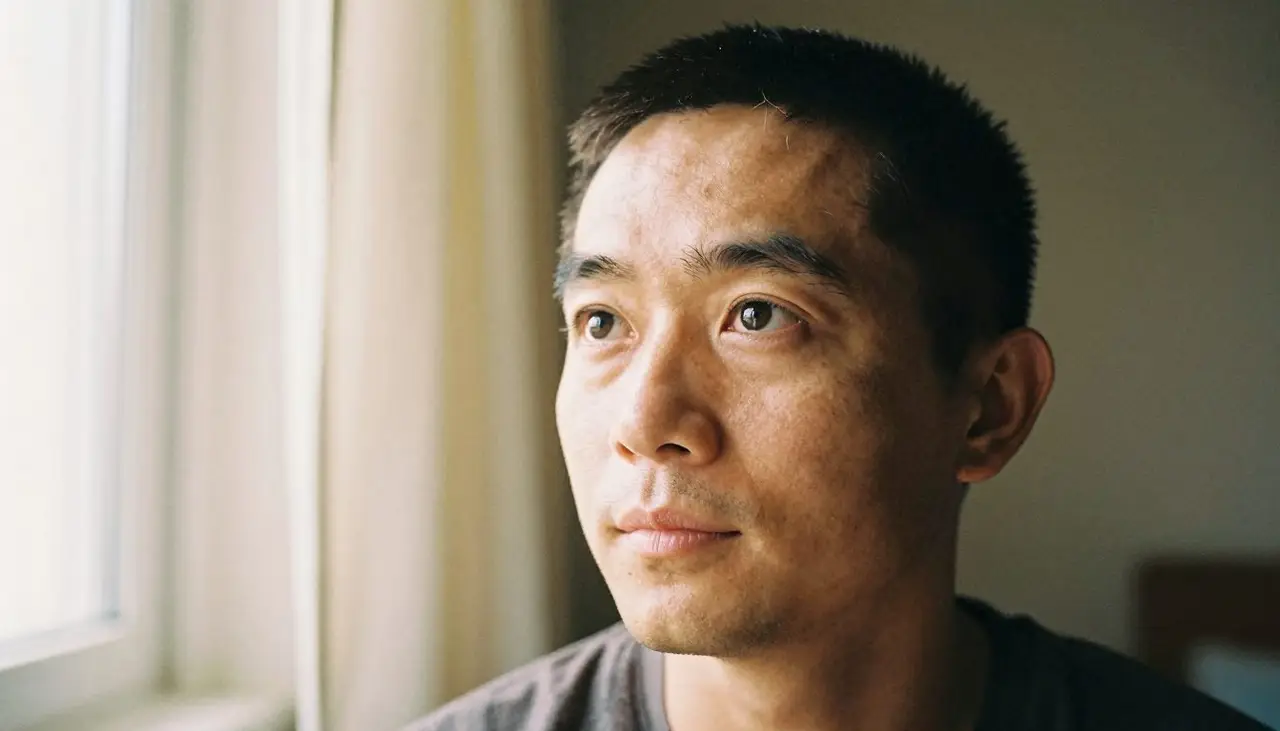
Flushed cheeks, a few red threads around the nose, skin that looks dull or tired the morning after a heavier night — these are some of the most common things people notice about their face and drinking. Most of them are real, and most of them have a mechanism behind them. What they usually are not is a diagnosis. The useful question is not "is alcohol wrecking my skin" but "what is actually happening on my face, and how much of it tracks with how I drink?"
What's happening under the skin
Three separate things drive most alcohol-related skin changes, and they don't all work the same way.
The first is the flush — the warm, red face some people get after a drink or two. Your body breaks alcohol down in two steps. First it turns alcohol into a harsh in-between chemical called acetaldehyde, then a clean-up enzyme clears the acetaldehyde away. In many people of East Asian descent that clean-up enzyme (called ALDH2) works slowly or barely at all, so the acetaldehyde piles up and the blood vessels in the face open wide — that's the flush. Beyond the redness, the same reaction can bring on a fast heartbeat, headache, palpitations, low blood pressure, and nausea, per the enzyme literature. It isn't a sign you're doing something wrong; it's a built-in difference in how your body processes alcohol.
The second is fluid. Alcohol nudges the body to shed water, and stronger drinks do it more: in a diet-controlled crossover trial, wine and spirits (around 13.5% alcohol or higher) produced more urine than their non-alcoholic versions from about two hours on, while beer at roughly 5% did not. A face that has quietly lost fluid overnight is the face that looks flat and dull in the morning mirror — which is why "my skin looks tired after a weekend" is such a common observation.
The third is the standing redness — persistent flushing, visible little vessels, a rosacea-type look that doesn't fully settle. Here the honest answer is that alcohol is one contributor among many, not a switch. More on that below, because the evidence has a specific shape worth knowing.
What the evidence actually shows — and where it stops
On rosacea, the American Academy of Dermatology says drinking alcohol may raise the risk of developing it, that the risk goes up with the amount consumed, and that white wine and hard liquor carried higher risk than other drinks. The same page is careful about the other direction: people who never drink also develop rosacea, so alcohol is a contributor, not the cause. That is about as far as the evidence will go — it describes a population-level tilt, not a verdict on your face.
The flush is the one place the science gets sharper, and it's worth taking seriously. That flushing reaction can be a visible marker that the ALDH2 clean-up enzyme is running slow, and people with that slow enzyme who keep drinking accumulate more acetaldehyde and more of the DNA damage it causes, which raises the risk of cancer of the esophagus (the swallowing tube). This is the useful part of noticing the flush: not the cosmetics, but what it hints about how your body handles alcohol. The slow-enzyme variant is common — one analysis found it in roughly 23.5% of self-identified Asian participants versus under 2.5% of other groups — so for a lot of people the red face is a genuine signal rather than a quirk.
Where the evidence stops is your individual skin. A search page can't tell you whether the dullness you saw last Sunday was alcohol, a bad night's sleep, dry weather, sun, a new product, stress, or a medication. Facial redness has a long list of possible causes, and most of them travel together on the same tired weekend. So the visible change can be completely real while its explanation stays genuinely open.
How much it takes is not a fixed line
There's no drink count where skin harm switches on. The rosacea association the dermatologists describe rises with how much you drink, not at a threshold — more, and more often, tilts the odds further, and the type of drink seems to matter too. On top of that, how your face responds is heavily individual: the ALDH2 enzyme difference, your baseline skin, sun history, sleep, hydration, and other medical conditions all move the dial, which is exactly why two people can drink the same amount and one flushes crimson while the other shows nothing.
If you want to describe your own drinking in something steadier than "a couple," a U.S. standard drink is 0.6 fluid ounces, or 14 grams, of pure alcohol — and a generous pour of wine, a strong cocktail, or a high-alcohol beer can quietly count as more than one. That's a shared unit for counting, not a safe-versus-unsafe cutoff.
What you can do with any of this
None of the following is a cure or a promise about a clear complexion by Friday. They're low-stakes moves, no product required.
- Read the flush as information, not a flaw. If your face reliably goes hot and red after a drink or two, that's worth mentioning to a clinician — not because of how it looks, but because it can point to the slow-enzyme reaction and what it means for how much alcohol suits your body.
- Sip water alongside the drinks and the next day. Since the dull, flat look tracks with fluid loss — and more so with wine and spirits — rehydrating is a gentler reset for tired-looking skin than anything in a jar.
- Run a two-week read instead of guessing. Keep a plain note: standard drinks, timing, sleep, and the one skin thing you actually care about. Change one variable — two alcohol-free nights, stopping a drink earlier, skipping the setting where the night usually runs long — and compare similar mornings, not your worst photo against your best. You're not proving alcohol explains everything; you're checking whether the same pattern keeps showing up for you.
If the bigger signal is a puffy or swollen feeling, drinking and feeling puffy or bloated fits better; if it's exhaustion, see why am I so tired after drinking; and if the skin change has you wondering whether drinking has crept up in general, signs you are drinking more than you meant to is the sharper self-check.
When to bring it to a clinician or dermatologist
Some skin changes belong with someone who can actually look at your face. See a licensed clinician or dermatologist if redness is persistent, new, worsening, or painful, or if it comes with a rash, a new spot or growth, swelling, itching, or bleeding — and don't try to diagnose rosacea, eczema, psoriasis, an allergy, or liver disease from a page like this. A dermatologist can also tell you whether a persistent flush is worth looking into further.
The drinking side has its own reasons to reach out. If you repeatedly drink more than you planned, if cutting back feels physically unsafe, or if the day-after wipeout is bleeding into work, driving, or the people around you, that's worth a conversation too. You can keep the opening line plain: "I notice skin changes after I drink, and I want help understanding whether it matters." For free, confidential support finding substance-use treatment, SAMHSA's National Helpline runs 24/7 at 1-800-662-HELP (4357).
The short version
Notice the pattern, count the drinking in standard drinks instead of glasses, and skip the product guessing. A flush is more useful as a signal about your body than as a cosmetic complaint, dullness usually tracks with fluid, and standing redness is one contributor among many. When the skin itself worries you, that's a question for someone who can examine it.
This page is general education, not a diagnosis or a skin-care plan. What a specific change on your face means — and whether drinking has anything to do with it — is a question for a clinician or dermatologist who can actually look at it.
- Alcohol Questions
Why Is It So Hard to Control How Much I Drink?
A non-diagnostic FAQ on why one drink can change the decision environment, what loss of control can feel like, and when to bring the pattern to a clinician.
- Alcohol Questions
Does Alcohol Change Your Personality? What Actually Changes — and What Only Feels Like It Does
Alcohol can make you feel like a different person, but lab evidence suggests observers mainly see a narrower social shift.
- Alcohol Questions
What medications can you take to stop drinking?
Naltrexone, acamprosate, and disulfiram are FDA-approved for alcohol use disorder; a healthcare provider can weigh other options for your health history and goals.
- Alcohol Questions
Drinking and Constipation the Day After
Alcohol can slow the next-day bathroom pattern for some people; compare the whole night around it, and know when bowel changes need care.
- Alcohol Questions
Does Alcohol Affect Hearing? What the Evidence Says About Drinking and Hearing Loss
Drinking can make sound harder to process in the moment, and a 2023 review found drinkers had higher odds of hearing loss over time.
- Alcohol Education
Alcohol and Sleep Apnea
Alcohol can worsen sleep apnea by relaxing throat muscles and breaking up sleep. How to read snoring, gasping, and next-day sleepiness.


Be the first to hear when Clero launches.
Join with email only. Clero is still in development, so this is educational content today — not treatment, a prescription request, or medical advice.
First to hear at launchLaunch news only — no spamUnsubscribe anytime