
When a Loved One Shows Up Drunk at Your Door
You do not have to open the door just because the crisis is real. Check for danger, keep contact brief, and call 911 when safety is at risk.
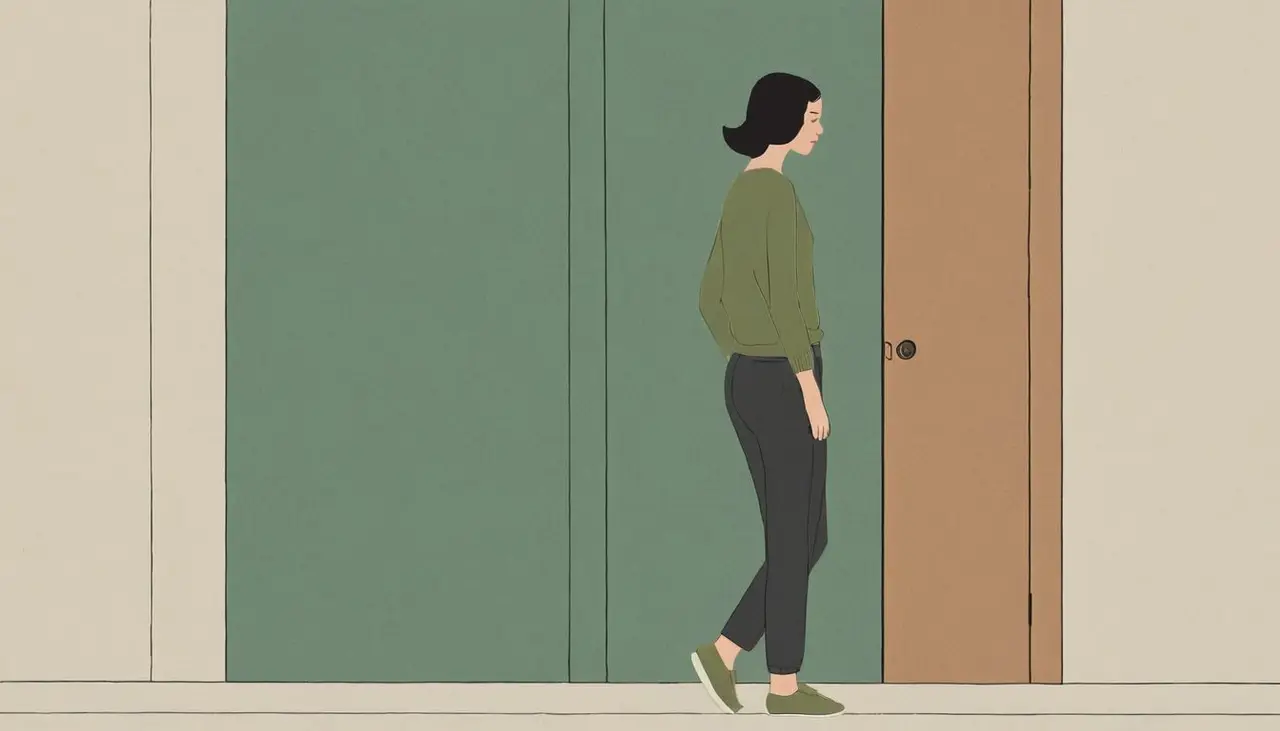
You do not have to open the door just because a loved one is drunk on the other side.
The crisis can be real. Your boundary can be real too. Start there.
Check danger before you check feelings
From behind the door, through a camera, by phone, or from a window if that is safe, ask only what matters now:
- Are they injured, collapsed, confused, hard to wake, vomiting and unable to stay alert, having a seizure, or struggling to breathe?
- Are they threatening you, trying to force entry, damaging property, or blocking your exit?
- Did they drive there, or are they about to drive away impaired?
- Is a child, older adult, or dependent person at immediate risk?
If the answer points to immediate danger, call 911. Do not delay the call so you can get the full story.
The federal National Institute on Alcohol Abuse and Alcoholism (NIAAA) says to call 911 immediately when alcohol overdose is suspected, and not to wait for every possible sign. That matters at a doorway because you may not be able to see everything. You are not expected to diagnose them through a locked door.
A closed door is still a response
Opening the door changes the situation. If you feel unsafe, keep the door closed.
That is not cruelty. It is a physical boundary. You can speak briefly without giving access. You can call for help without becoming the person who manages their body, their ride, their anger, or their next promise.
Use short lines:
"I am not opening the door while you are drunk."
"If you are hurt or cannot stay safe, I am calling 911."
"You need to leave the doorway now. We can talk when you are sober."
Do not argue about whether they are "really" drunk. Do not debate whether you love them. Do not turn the threshold into a trial about the whole relationship.
If the person lives with you, the question is different. A shared-home arrival has its own safety fork; the spouse-specific guide on what to do when your spouse comes home drunk covers that version. The doorstep version is different: the person is at your threshold, and letting them in is neither automatic nor obviously safe.
Do not bargain with entry
The worst version of the exchange sounds like this: "Let me in and I will calm down." That makes your access decision the price of their behavior.
Keep the order straight. Calm behavior comes first. Entry, if any, comes after you decide it is safe and appropriate. If you do not want them inside, the answer can stay no.
If they need a ride, a coat, water, a phone call, or a place to sit, ask whether you can offer that without opening the door or putting yourself within reach. Sometimes the answer is yes: call a sober ride, call another safe adult, or tell them where to wait for help. Sometimes the answer is no: the risk is already beyond a family favor.
Do not try to physically move them. Do not take keys by force. Do not block them with your body. If they force entry, threaten you, or refuse to leave while you are afraid, call 911 from a safe place. If the pattern includes intimidation, coercive control, stalking, threats, or violence, contact the National Domestic Violence Hotline from a safe device or place: call 1-800-799-7233, text START to 88788, or use thehotline.org.
If they may drive away
If they arrived by car or say they are leaving, do not get into a roadside argument from the doorway.
Say one thing:
"I cannot stop you by force. I am calling for help because driving after drinking can hurt you or someone else."
Then act from safety. Call 911 if they are about to drive impaired or if you see an impaired driver leave. Give the vehicle description, direction of travel if you know it, and what you observed. Do not chase them.
For repeated driving risk, use the dedicated guide on what to do when your spouse drinks and drives or adapt the same safety-first logic to your relationship. The doorway moment is not the place to solve the whole driving pattern.
If they leave
If they leave, let the immediate contact end.
You may feel the urge to follow, text ten times, call every relative, or drive around looking for them. Some follow-up may be appropriate if there is a clear safety risk. But do not turn fear into a private surveillance job you cannot actually carry out.
If they are impaired and driving, use emergency/public-safety routing. If they threaten self-harm, call or text 988 and call 911 for imminent danger. If you are mainly frightened and need a plan for your own safety, use the domestic violence route above.
If none of those emergency routes fit, write down what happened for your own clarity: date, time, what they did, what you said, whether you called anyone, and what you want to do differently next time. The record is for your decisions, not a courtroom-style case you have to win later.
Save the alcohol conversation
A drunk doorstep is a bad place for a treatment conversation.
The NIAAA Alcohol Treatment Navigator advises choosing a calm, safe, stable time to talk about getting help, and says the conversation should wait when the loved one is intoxicated or in crisis. Use that principle literally here: do not start the alcohol discussion while they are drunk at your door.
Later, when they are sober and you feel safe, your line can be plain:
"When you came to my door drunk, I did not feel safe opening it. If it happens again, I will keep the door closed and call for help if there is danger."
That is enough. You do not have to explain it until they agree. You do not have to accept "I was embarrassed" as a reason the boundary disappears.
If the larger issue is hidden drinking, private evidence, or a planned sober conversation, keep those questions separate. A page about finding hidden bottles is about what to do after discovery, not about physically managing an intoxicated person in front of you.
The bottom line is simple: the door is not the relationship. Keeping it closed tonight can be the safest way to keep the situation from getting worse.
This is general education, not legal, medical, or safety-plan advice; call 911 for immediate danger or suspected overdose, contact the National Domestic Violence Hotline for coercion or violence, and call or text 988 when self-harm or suicide is part of the situation.
- Social events & holidays
What to Do When People Keep Asking Why You're Not Drinking Tonight
When people keep asking why you're not drinking, repeat one short line — a long answer just reopens the topic. The Broken Record method, move by move.
- Helping someone who drinks
Should I Leave My Alcoholic Husband?
There is no one right answer, but safety comes before marriage strategy. A decision frame for fear, children, boundaries, treatment, and staying honest.
- Understanding your drinking
When a Loved One Keeps Drinking After a Health Scare
After a health scare, your role is not to interpret labs or manage detox. Route urgent danger, offer consent-based support, and keep your limits.
- Understanding your drinking
When a Loved One Loses Their Job Because of Drinking
Job loss can feel like the wake-up call, but your role is narrower: check safety, refuse cover stories, and protect your own limits.
- Understanding your drinking
When a Hospital Calls About a Loved One's Drinking
Ask who is calling, what help the hospital needs, and whom to contact next. Keep observations, open questions, and your availability clear.
- Understanding your drinking
When a Loved One Threatens Self-Harm If You Set a Boundary About Drinking
Treat a self-harm threat as a crisis route, not a private bargain. Use 988 or 911, keep yourself safe, and do not negotiate the boundary alone.


Be the first to hear when Clero launches.
Join with email only. Clero is still in development, so this is educational content today — not treatment, a prescription request, or medical advice.
First to hear at launchLaunch news only — no spamUnsubscribe anytime