
Drinking and Your Libido or Sex Drive
Alcohol can dampen sex drive from several directions — lowering testosterone, dulling arousal, flattening next-day desire. How much and how long matter most.
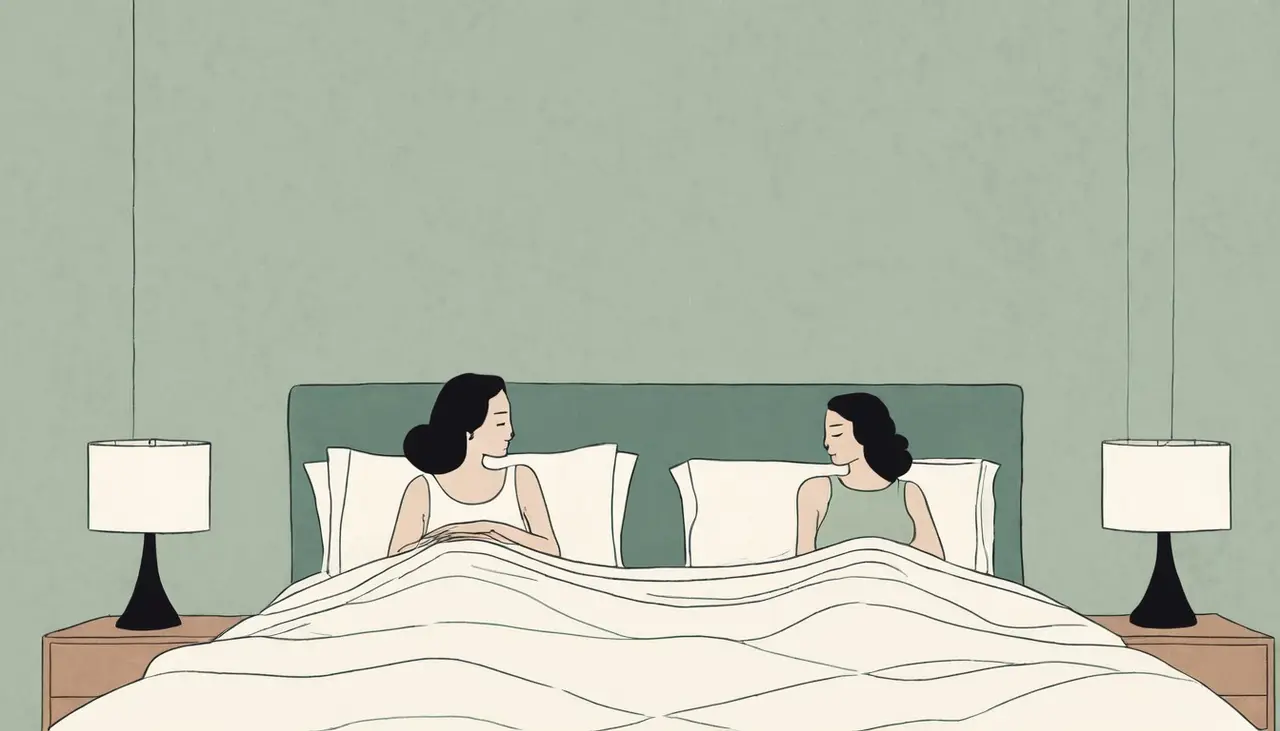
Sex drive is not one dial. Desire, arousal, the physical follow-through, and how present you feel all run on different machinery — the brain and its chemistry, the hormones that set the baseline, the blood vessels that do the mechanical work, plus sleep, mood, stress, and whatever is happening in the relationship. Alcohol touches several of those systems at once, which is why "does drinking hurt my libido" has a real answer and a frustrating one: it depends far more on how much and for how long than on whether you drink at all.
Where alcohol actually reaches sex drive
Start with the hormones, because that is where a lot of the effect is set. In men, the peer-reviewed literature on alcohol and male reproduction describes alcohol lowering testosterone through more than one route: it damages the cells in the testes that make the hormone, it speeds up how fast testosterone is cleared from the blood, and it nudges an enzyme that converts testosterone into estrogen. It also disrupts the signaling chain that runs from the brain down to the testes — the chemical messengers the brain sends to tell the body to make sex hormones. Quiet that relay and the whole downstream supply drops. The same source notes a single heavy episode can pull testosterone down for a stretch of days afterward, not just for the night.
For women the hormonal picture is different but not gentler. Heavy drinking is linked to shifted estrogen and progesterone levels and to disrupted menstrual cycles, and the balance between those hormones is one of the inputs to desire.
Then there is the plumbing. Arousal depends on blood flowing to the right places at the right time. Alcohol works against that in the moment: it is a sedative and it dehydrates, so the body's response gets slower and less reliable even when the mind is willing. That is the gap a lot of people notice first — wanting sex but finding the body a step behind. It also works on the brain directly. Alcohol lowers inhibition, which is why a drink can feel like it turns desire up. But that same sedation dulls sensation, delays or blocks orgasm, and flattens next-day desire once it wears off. The lift and the letdown come from the same drug.
What the evidence shows, and where it stops
On the male side, the male-reproduction review is blunt about how amount and duration drive the harm: it reports that in men with advanced alcohol-related liver damage, roughly 72 percent showed reduced libido and sexual potency, and that heavier, longer drinking tracked with worse outcomes than lighter use. That is a group with serious, sustained exposure, not a description of what one glass of wine does to the average person. The mechanism is dose-shaped: a little, occasionally, does something small and usually temporary; a lot, for years, resets the hormonal baseline and can leave problems that linger even after drinking stops.
On the female side, a 2023 systematic review and meta-analysis of seven studies covering more than 50,000 women found that alcohol consumption was associated with about a 74 percent higher likelihood of sexual dysfunction. Two honest caveats come with that number. The studies varied a great deal in their methods, so the pooled figure is a signal, not a precise measurement of your risk. And the review did not sort drinkers by how much they drank, so it tells you the association exists, not where the line is.
That is the pattern worth holding onto. There is no single number of drinks that switches libido off for everyone, and no amount that is safe for everyone either. Where the effect lands depends on your sex, your hormones, your age and where you are in a menopausal or perimenopausal transition, your medications, your heart and blood-vessel health, your sleep, your mood, and your genetics. Two people drinking the same amount can land in very different places.
Reading your own pattern
Because libido has so many inputs, the useful move is not to guess but to watch how yours behaves. A few things worth noticing:
- Is it tied to the drinking or to something around it? Desire that flattens after heavy weeks, or a body that runs slow specifically on drinking nights, points more clearly at alcohol than a low that sits there no matter what you do. If it does not move when your drinking moves, alcohol is probably not the main driver.
- Is the change gradual or sudden? A slow drift is a different animal from a sudden loss — especially a sudden loss that arrives with a mood collapse, chest tightness on exertion, or new erectile trouble. New erectile difficulty in particular can be an early flag for heart and blood-vessel health, worth a medical conversation rather than reasoning through alone.
- Are you counting clearly? It is hard to see whether drinking is a factor if the drinking itself is a blur. NIAAA defines a U.S. standard drink as 0.6 fluid ounces, or 14 grams, of pure alcohol — roughly a 12-ounce regular beer, a 5-ounce glass of wine, or a 1.5-ounce shot. Knowing what a drink actually is makes the pattern readable; it is a measuring unit, not a safety threshold.
What a cutback tends to reveal
If you want to test whether alcohol is one of the inputs, the low-stakes experiment is to build in stretches of alcohol-free days and see what moves. For some people, desire, morning arousal, energy, and presence come back up as drinking comes down — partly because the hormonal and blood-flow effects ease, and partly because sleep, which sits underneath all of this, gets better.
For others, cutting back clarifies things by ruling alcohol out. If libido stays low after your drinking changes, that is genuinely useful information: it points the search toward hormones, medication side effects, heart health, mood, pain, relationship context, or another medical cause. A cutback is a diagnostic tool you can run yourself. It is not a treatment plan, and it is not a promise.
Two habits stack the deck in your favor while you watch. Protect sleep and keep a steady wake time, because desire, energy, and presence all lean on rest more than on anything aimed at sex directly. And keep the clinician role separate from the partner role: a partner noticing you seem more present is relationship information, not a diagnosis, and it should not turn into pressure. If the urge to pour comes back hard while you are testing this, how to handle alcohol cravings and urges is the fuller toolkit.
When to bring it to a clinician
Some libido changes deserve a medical conversation rather than a home experiment. Talk with a clinician about new or persistent problems with desire, arousal, erection, orgasm, pain, or bleeding — and about new erectile difficulty specifically, since blood-vessel health is one of the things it can signal.
Move faster than "someday" for a few situations: sexual pain with bleeding, a new lump or mass, or a sudden collapse in desire that comes with a crash in mood. If that mood crash ever tips toward thoughts of harming yourself, you can reach the Suicide and Crisis Lifeline any time by calling or texting 988. Chest pain on exertion, fainting, or other heart warning signs are same-day or emergency-room matters.
One safety note that has nothing to do with sex: if you drink heavily every day, do not stop suddenly on your own. Shaking, a racing heart, repeated vomiting, agitation, confusion, hallucinations, or a seizure after cutting back are signs of alcohol withdrawal, which can be dangerous — call 911 or go to an emergency room. To plan a safe reduction before you start, talk with a licensed clinician, or call SAMHSA's free, confidential National Helpline at 1-800-662-HELP (4357), available 24/7.
A few common questions
Will cutting back bring my sex drive back?
Sometimes, and it is worth trying — but there is no guarantee. If the drinking was a real input, easing it often helps desire, arousal, and sleep recover. If libido stays flat after your drinking changes, that itself is the useful answer: the cause is likely elsewhere, and worth taking to a clinician.
Is low libido after drinking normal?
It is a common pattern, especially after heavier stretches — the sedative, dehydrating, and hormonal effects are real. Common does not mean ignore it, though. Track it, and get it looked at if it is new, sudden, persistent, painful, or comes with mood or heart symptoms.
Does a little alcohol hurt libido the way a lot does?
The evidence points the other way: the serious, lasting effects show up with heavy, sustained drinking, while an occasional drink tends to do something small and temporary. The catch is that how much is too much varies enough between people that the only way to know your own answer is to watch your own pattern.
This is general education, not a diagnosis or a treatment plan for desire or arousal. If a change is new, sudden, painful, or arrives with mood or heart symptoms, bring it to a clinician who knows your history.
- Body & physical health
Alcohol and Your Liver
Alcohol-related liver damage runs a spectrum: fat, then inflammation, then scarring, rising with how much and how long. What a flagged AST can and cannot tell you.
- Body & physical health
Alcohol and Sleep Apnea
Alcohol can worsen sleep apnea by relaxing throat muscles and breaking up sleep. How to read snoring, gasping, and next-day sleepiness.
- Body & physical health
Does Alcohol Cause Memory Loss? Short-Term, Long-Term, and What Can Recover
Alcohol can cause blackouts, next-day fog, and long-term memory changes. The pattern tells you when to cut back, track it, or seek medical care.
- Hangovers & the day after
Drinking and Your Memory the Next Day
How alcohol can affect memory formation, why the next day can feel foggy, and when repeated memory gaps should be treated as a safety signal.
- Body & physical health
Does Alcohol Affect Your Taste Buds and Sense of Smell?
Yes — alcohol really can change how things smell and taste, dulling some senses and sharpening others. What's moving, and what recovers if you cut back.
- Body & physical health
Alcohol and Inflammation: How Drinking Stokes the Body's Alarm System
Heavy drinking can drive inflammation beyond the gut and disrupt immune defenses. How this affects the liver, tissue repair, and symptoms worth checking.


Be the first to hear when Clero launches.
Join with email only. Clero is still in development, so this is educational content today — not treatment, a prescription request, or medical advice.
First to hear at launchLaunch news only — no spamUnsubscribe anytime