
5 Strange Reasons You Drink Too Much
A myth-correcting look at why drinking too much is often driven by ordinary cues, permission moments, stress loops, and blind spots rather than one dramatic cause.
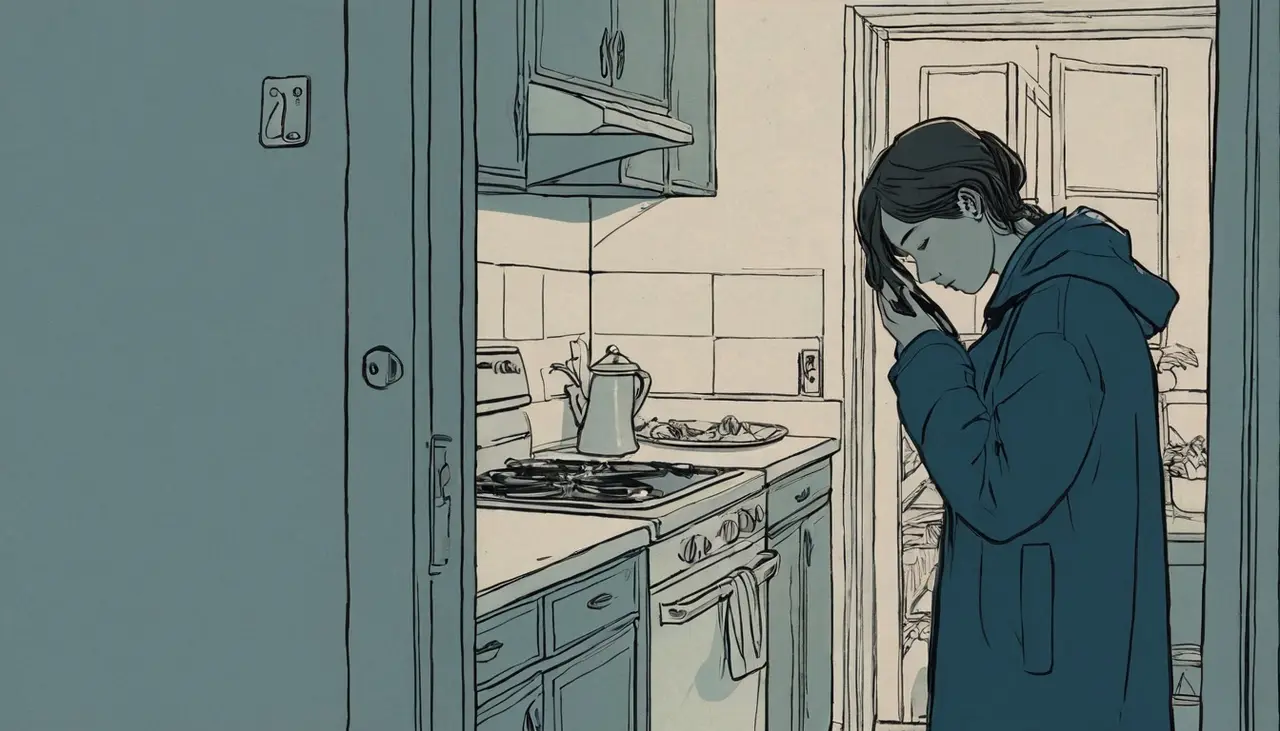
The familiar belief is that drinking too much must have one obvious cause. A breakup. A bad job. A big stressor. A personality flaw you can finally name.
But the quieter evidence points to a less dramatic picture. The reasons are often ordinary, repeated, and easy to miss until the pattern has already happened.
Why the single-cause story sticks
The single-cause story is appealing because it makes drinking feel solvable by explanation. Find the one reason, remove it, and the pattern should stop.
Real life is usually less tidy. The drinking episode that looks mysterious on Saturday night may be built from small signals that started hours earlier: an empty evening, a message from a friend, the first quiet minute after work, the thought that you earned it, the place where you always pour the first drink.
That does not make the reasons "strange" in the sense of rare. It makes them strange because they are hiding in plain sight.
The crack: the spotlight problem
The flaw in the old belief is the spotlight problem. We look for the biggest emotional reason because it is easiest to see, while the smaller cues keep doing the work in the dark.
Imagine two nights with the same person and the same stress level. On one night, there is no alcohol in the house, dinner is early, and the evening has a plan. On the other, the usual bottle is visible, food is delayed, and the first drink happens while scrolling alone. If the second night goes further, stress may be part of it, but the cue system changed too.
That is the corrected picture: drinking too much can come from an ordinary stack, not one dramatic trigger.
Reason 1: the permission moment
A permission moment is the sentence that makes the first drink feel pre-approved. "It's Friday." "I handled the day." "Everyone else is having one." "I already said no last night."
The sentence may be harmless once. The issue is repetition. When the same sentence keeps opening the same door, it stops being a thought and starts acting like a switch.
This is where alcohol's body effects matter. NIAAA describes alcohol as affecting the central nervous system, which is relevant when reward, inhibition, and control shift after drinking starts. The permission moment does not have to be irrational. It only has to arrive before the part of you that remembers tomorrow gets a vote.
Reason 2: social autopilot
Social autopilot is not peer pressure in the obvious sense. It can be subtler than that: matching the pace at the table, refilling when someone else refills, staying in the round because leaving the rhythm feels awkward.
The old story says you drink too much because you made one firm decision. The social-autopilot story says you may have made twenty tiny non-decisions.
That matters because binge patterns are not fringe behavior. CDC's 2024 excessive-drinking data page reports that 17% of U.S. adults binge drink. The same CDC page says over 90% of U.S. adults who drink excessively report binge drinking. Those figures show why social and episodic patterns deserve attention.
Reason 3: stress relief that keeps the loop alive
Alcohol can feel like a fast way to change state. The day ends, the drink begins, and the body gets a signal that the tense part is over.
The catch is that relief can teach the loop to repeat itself. The drink becomes not just a beverage but the transition ritual: work to home, public face to private face, held-together day to unheld evening.
That is why "I only drink when I am stressed" may not be the whole explanation. Stress may start the loop, but repetition trains it. Over time, the cue can become the end of the day itself, even when the day was not especially bad.
Reason 4: sleep and food cues
Drinking too much can also show up around basic body states. Skipped meals, late dinners, poor sleep, fatigue, and boredom can all lower the friction around the first drink.
These are not excuses. They are context. A person who planned to drink slowly may make a different set of decisions after a hungry, tired evening than after a steady meal and a clear plan.
The point is not that food or sleep "fixes" drinking. That would be another single-cause myth. The point is that body states can make the permission moment more persuasive.
Reason 5: the binge-pattern blind spot
The final reason is the blind spot created by non-daily drinking. If the workweek looks controlled, the weekend can get treated as separate from "real" drinking.
NIAAA defines binge drinking as a pattern that typically brings blood alcohol concentration to 0.08% or higher, often 5 or more drinks for males or 4 or more drinks for females in about 2 hours. That definition can make a pattern visible even when it does not happen every day.
The blind spot is not stupidity. It is accounting. People often count drinking by identity — "I am not a daily drinker" — when the body is affected by the amount and timing of alcohol, not the story around it.
What the evidence does and does not show
The evidence supports a humbler view: reward, cues, social settings, and drinking-pattern definitions all matter. It does not prove that every person who drinks too much has the same cause, the same risk, or the same next step.
That limit is important. Cue awareness can help a person notice patterns, but it does not reach the situations where the body is already at risk: daily heavy drinking, blackouts, or a stretch without alcohol that has ever brought on shaking, sweating, confusion, or a seizure. Stopping suddenly after heavy daily drinking can be genuinely dangerous, so that planning belongs with a licensed clinician — and those withdrawal signs are a medical emergency, so call 911 or go to an emergency room if they appear. If you do not have a clinician to start with, Clero connects you with a licensed one by telehealth to talk it through.
How to read the next "strange reason" headline
Read it as a prompt, not a verdict. The useful question is not "Which weird reason explains me?" It is "What ordinary cue keeps showing up before the drinking I regret?"
The single-cause story makes the answer sound dramatic. The better story is more practical: small cues, repeated often, can carry a lot of weight. Once you see the stack, the pattern is harder to pretend is random.
This is general education, not medical advice or a plan for changing how you drink — that is a conversation for a licensed clinician who knows your history.
- Helping someone who drinks
How to Help Someone Who Drinks Too Much
You cannot help someone who drinks with one perfect conversation. Sort it into three circles: what is yours, what is theirs, and where the real help lives.
- Understanding your drinking
Is Alcohol Addictive? What Happens in the Brain, in Plain Language
Yes — alcohol acts on reward and stress systems that adapt until a drink brings relief rather than pleasure. NIAAA puts genes at about half the risk, not grit.
- Cutting back & moderation
What Is Mindful Drinking? The Practice Behind the Buzzword, Explained
Mindful drinking means deciding when, why, and how much you drink before the room decides for you. The three parts, five concrete moves, and who it fits.
- Understanding your drinking
I Drink Too Much but Not an Alcoholic
You can drink too much without accepting the label alcoholic — both can be true at once. How to look at the pattern instead of arguing with a word.
- Body & physical health
Alcohol and Blood Pressure
Alcohol nudges blood pressure up, and the effect grows with how much and how often you drink — no low level looked protective. What lighter weeks can show.
- Understanding your drinking
8 to 12 Beers a Day
A safety-first guide to what an 8-to-12-beer daily pattern means in standard-drink terms, why it warrants clinician input, and why this page will not give a taper plan.


Be the first to hear when Clero launches.
Join with email only. Clero is still in development, so this is educational content today — not treatment, a prescription request, or medical advice.
First to hear at launchLaunch news only — no spamUnsubscribe anytime