
Why Do Hangovers Get Worse With Age?
Hangovers get worse with age because several things shift at once: less body water, lighter sleep, slower recovery. And the pour may have quietly grown.
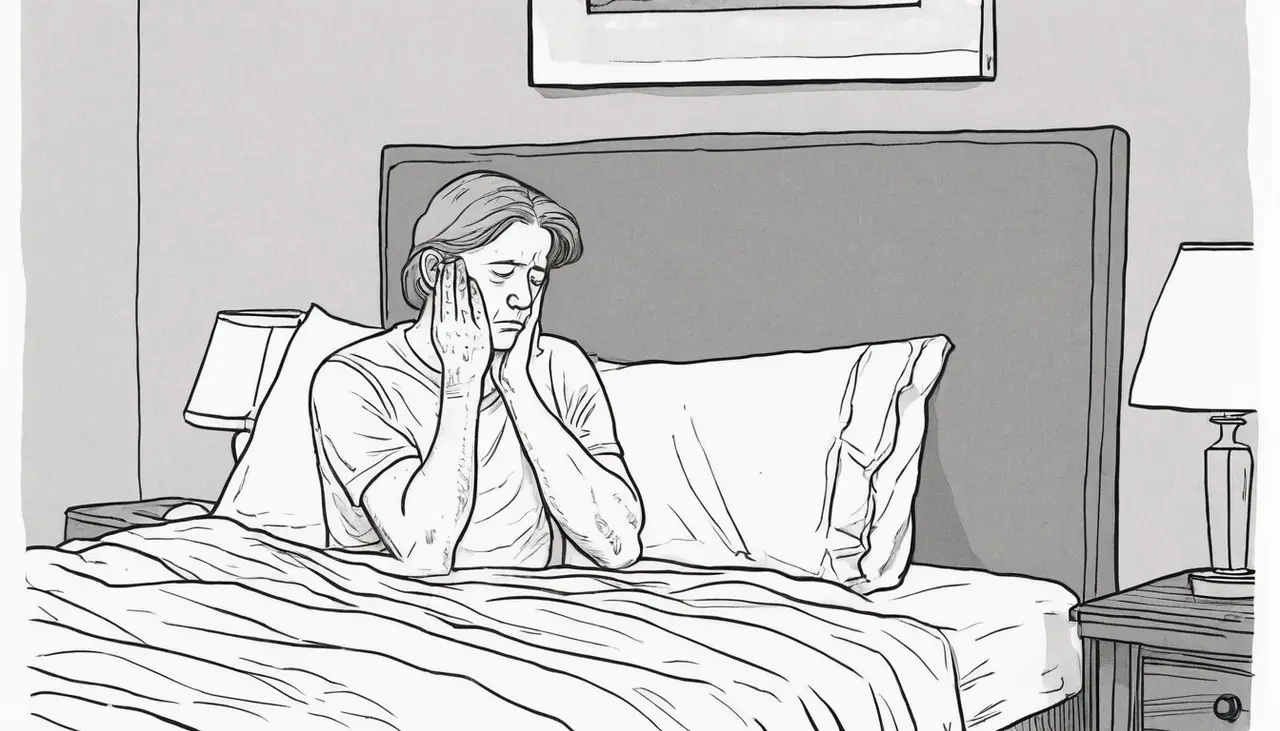
The same drinking night can feel different ten years later — same count, rougher morning. Age is part of the reason, but rarely the whole reason, and the old comparison point may simply no longer hold.
Hangovers can feel worse with age because several things shift at once: the body carries less water, sleep gets lighter, recovery slows, and medications, health conditions, stress, and drinking pace all stack on top. The useful question is not whether you are getting old, but what changed around the drinking.
Age can change alcohol sensitivity
NIAAA's older-adults alcohol resource explains that people tend to grow more sensitive to alcohol as they age. Part of that is physical: with age the body holds less water, so the same drink spreads into a smaller pool and reaches a higher concentration in the blood. The liver can also clear alcohol a little more slowly. Neither change waits for a certain birthday — both come on gradually, and both vary a lot from person to person.
Tolerance shifts too. Someone who drinks less often than they once did may handle the old amount less well, not better. So the drink count can stay the same while the body meeting it does not — which is often why the morning feels worse for no obvious reason.
Sleep is often the hidden amplifier
Alcohol helps many people fall asleep faster, then quietly disrupts the second half of the night. As it clears, sleep turns lighter and more broken and the restful, dreaming stages take the hit — so you can spend eight hours in bed and still wake unrested.
Hangovers are not only about alcohol leaving the bloodstream — what causes a hangover is a pile-up of fluid loss, fragmented sleep, stomach irritation, and inflammation, and age touches several of those at once. NIAAA describes hangover symptoms as beginning after blood alcohol concentration falls and potentially lasting up to about 24 hours, with a next-day picture of fatigue, weakness, headache, nausea, and trouble paying attention. Age already tends to make sleep lighter and easier to interrupt, so alcohol has less margin to work with than it did a decade ago.
The adjacent question is often, "Why did two drinks hit me like five?" Sometimes the answer is not the two drinks alone. It is two drinks plus poor sleep, an empty stomach, faster drinking, a long workweek, a medication question, or a body that no longer recovers on the old schedule.
The pour may have changed too
Before blaming age, check the unit.
NIAAA defines a U.S. standard drink as 0.6 fluid ounces, or 14 grams, of pure alcohol. A bigger wine pour, stronger beer, or heavier cocktail can quietly turn "two drinks" into more than two standard drinks, so the old comparison may be off simply because the current pour is bigger than the one you remember. For the most common case, how many drinks are in a bottle of wine does that arithmetic.
Pace matters as well. NIAAA defines binge drinking as a pattern that typically brings blood alcohol concentration to 0.08% or higher — often 5 or more drinks for men or 4 or more for women in about two hours. That definition is not a personal harm threshold; it just shows how much speed changes the load.
Medication and health questions belong with a clinician or pharmacist
Medications complicate this in ways a general article cannot sort out for you. Some interact with alcohol, some change how the body processes it, and some carry side effects that look a lot like a worse hangover. If your hangovers changed after starting or adjusting a medication, after a new diagnosis, or alongside symptoms that feel unusual for you, that is worth raising with a clinician or pharmacist. Bring the specifics: the actual drink pattern and the symptom pattern. "I feel worse now" is useful; "two 8-ounce pours of 13.5% wine, and I wake up nauseated" is more useful. If you do not have a clinician to bring it to, Clero can connect you with a licensed clinician by telehealth to talk it through.
What a cutback experiment can and cannot tell you
A small, non-dangerous change can give you information, though not a diagnosis.
If you are not physically dependent on alcohol, comparing a few lighter nights against heavier ones can show whether amount, pace, timing, or sleep is the real driver. Keep it simple: note the standard drinks, the finish time, food, sleep, next-day symptoms, and whether the same thing has happened before.
Do not run a sudden cutback experiment on your own if you drink daily or heavily, or if you feel shaky, sweaty, nauseated, anxious, or unwell when alcohol wears off. Those can be signs of physical withdrawal, and for heavy drinkers stopping abruptly can be dangerous — talk with a licensed clinician before you change anything. If a stretch without alcohol has ever brought on confusion, hallucinations, or a seizure, treat it as a medical emergency and call 911 or go to an emergency room.
Why there is no cure shortcut here
NIAAA cautions that there is no scientifically proven hangover cure; time is the reliable way for the body to clear alcohol-related impairment. That matters more when hangovers feel worse with age, because the temptation is to find a product that lets the old pattern continue unchanged.
The more honest route is to update the pattern — less, slower, earlier, with food, or not at all in certain settings. It may also mean asking about medication or health factors rather than assuming age explains everything.
If alcohol-related symptoms are becoming severe, lasting longer, showing up after smaller amounts, or tied to blackouts, morning drinking, or withdrawal-like symptoms, talk with a licensed clinician.
Age can be part of why hangovers feel worse. It is rarely the whole story — and it is one of the few parts you cannot adjust, which is exactly why the changeable parts deserve the attention.
FAQ
Do hangovers really get worse after 40?
They can for some people, but not because 40 is a magic line. Sleep, stress, health changes, medications, body composition, drinking pace, and tolerance can all shift how alcohol feels.
Why do smaller amounts hit harder now?
The amount may not be as small as it seems if pours are larger or stronger. Lower body water, lighter sleep, health conditions, and medication effects can also sharpen the after-effect.
Can cutting back prove alcohol is the cause?
It can give useful pattern data, but it does not prove the whole cause. If changing your intake feels physically unsafe or your symptoms are unusual, involve a clinician.
This article is general education, not medical advice, medication-interaction guidance, a diagnosis, or a hangover cure plan. Ask a licensed clinician or pharmacist about personal medication, health, or withdrawal concerns. For confidential treatment referrals, SAMHSA's National Helpline is 1-800-662-HELP.
- Cutting back & moderation
How Long Does It Take to Feel Better After Cutting Back on Drinking?
There is no single clock: mental speed tends to pick up within a month, most cognitive function over 6 to 12. Why sleep and anxiety often get worse first.
- Body & physical health
Does Alcohol Cause Snoring? Why Drinking Nights Are Louder
Alcohol can trigger snoring by relaxing throat muscles before sleep. Why drinking nights get louder and when apnea signs need a clinician.
- Body & physical health
Drinking and Feeling Puffy or Bloated
Puffiness after drinking is mostly a fluid rebound; the bloated stomach is a separate gut effect. Why salt and short sleep make it worse, and what actually helps.
- Cutting back & moderation
Does Non-Alcoholic Beer Actually Have Alcohol in It?
What non-alcoholic beer labels mean in the U.S., how 0.5% ABV compares with a standard drink, and why the recovery question is personal.
- Understanding your drinking
What Is a Blackout From Drinking?
A blackout is a memory gap for events during intoxication — not passing out. Why someone can talk, text, and get home with none of the night recorded.
- Understanding your drinking
Why Do I Binge Drink?
A pattern-map guide for people who keep drinking more than they meant to, with plain categories that do not diagnose or blame willpower.


Be the first to hear when Clero launches.
Join with email only. Clero is still in development, so this is educational content today — not treatment, a prescription request, or medical advice.
First to hear at launchLaunch news only — no spamUnsubscribe anytime