
How to buy naltrexone online
You can buy naltrexone online, but only through a licensed prescriber who reviews your health first. What the telehealth process looks like, step by step.
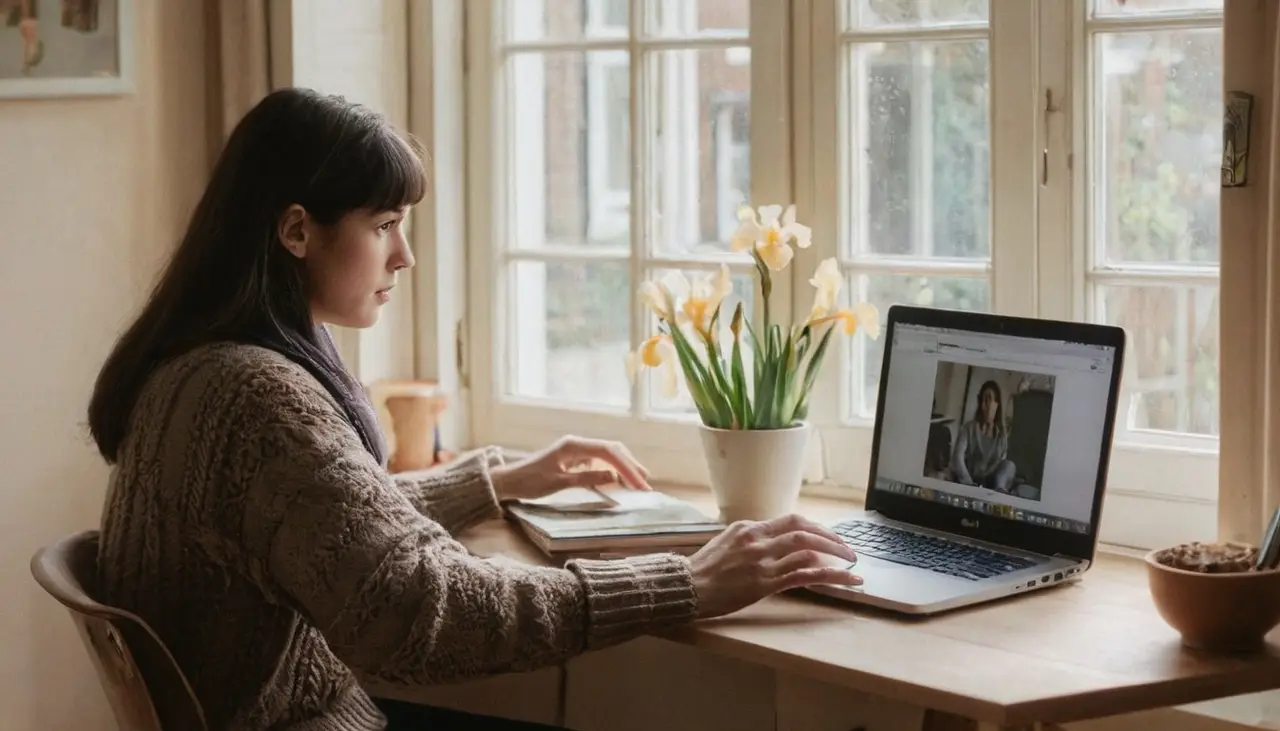
If you're trying to figure out how to get naltrexone online for your drinking, the short version is this: there's a legitimate route, and it always runs through a real clinician who reviews your situation before anything gets prescribed.
That's the honest answer to the question most people are actually asking. "Buying naltrexone online" doesn't mean a website that mails you pills. It means a telehealth or local medical service where a licensed prescriber looks at your health, decides whether the medication fits, and — if it does — sends a prescription to a pharmacy. Naltrexone is FDA-approved for treating alcohol dependence, so a real prescriber is part of the deal, not an obstacle to route around. Below is what that process looks like, who it fits, and where it stops being safe.
Can you actually get naltrexone prescribed online?
Yes — through a clinician, not around one. A trustworthy online service works the same way a good in-person visit does, just over video, phone, or a secure questionnaire. Someone with a license reviews your drinking, your medical history, and your other medications, then makes a call about whether naltrexone is appropriate for you.
The tell for a legitimate service is that a person is clearly in the loop. If a site offers to ship a prescription drug with no assessment and no way to reach a clinician, that's the version to avoid — both because it's unsafe and because naltrexone genuinely isn't right for everyone. The review is the part that protects you.
What does the online process usually look like?
You answer questions, a clinician reviews them, and — if naltrexone fits — a prescription goes to your pharmacy. Most services follow that same arc even when the details differ.
Expect to be asked about:
- Your drinking. How much, how often, and what you're hoping to change. There's no gotcha here; an honest number helps the clinician more than a flattering one.
- Your medical history. Especially your liver, since naltrexone is processed there, plus any other medications you take.
- Opioids. Answer this one fully; the next section explains why.
- Your mood. Naltrexone can occasionally affect how you feel, so a clinician will ask about depression, anxiety, or thoughts of self-harm.
From there, some services do a live video or phone visit and some review your answers asynchronously and message you back. Either way, if naltrexone is approved, the prescription goes to the pharmacy you choose — a local counter or a mail-order option. The bottle just says naltrexone; it doesn't announce what it's for.
Why is the opioid question the one that really matters?
Because naltrexone and opioids can't share a body. Naltrexone works by sitting on the same docking points in the brain that opioids and, it turns out, some of alcohol's pleasant effects rely on. SAMHSA describes it as binding to those endorphin receptors and blocking the effects and feelings of alcohol — which is also part of why SAMHSA notes it can reduce cravings and the amount people drink. The American Academy of Family Physicians explains it the same way: those receptors seem to carry some of the reward a drink delivers, so blocking them takes a bit of the shine off drinking.
The catch is that the same block applies to opioids. If you're taking opioid pain medication or using opioids in any form, naltrexone can knock them off those docking points suddenly and throw you into withdrawal. That's why the FDA label lists opioid use as a contraindication — not a caution, a hard stop. Tell the clinician the truth about any opioids. It's the single answer that most changes what's safe for you.
Is online prescribing a good fit for your situation?
For a lot of people, yes. Online prescribing tends to fit if you drink heavily or regularly and want to cut back or stop, if you've tried to moderate on your own without it sticking, and if you'd rather not sit in a local waiting room to have the conversation. It also fits the goal a lot of people arrive with but hesitate to say out loud: cutting back rather than quitting cold. That's a valid goal, and it's worth naming plainly so a clinician can work with it instead of assuming abstinence.
It's not the right route for everyone, though. Online prescribing isn't the move if you currently use opioids, if you have serious liver disease that needs hands-on monitoring, or — most importantly — if you're at risk of a dangerous withdrawal when you stop drinking. That last one is its own section, because getting it wrong is the part that can actually hurt you.
When is stopping the more urgent question than starting?
When your body has come to depend on alcohol, safely stopping comes first — before any conversation about a maintenance medication. This is the line that a good clinician will not cross over telehealth.
Here's the plain version. If you've been drinking heavily every day for a long stretch, your nervous system adapts to the alcohol being there. Take it away suddenly and that system can swing hard the other way. Mild withdrawal looks like shakiness, sweating, a racing heart, and bad anxiety. Severe withdrawal can bring confusion, hallucinations, or a seizure — and that is a medical emergency, not something to ride out at home. If you're in that territory, call 911 or go to an emergency room; withdrawal at that level can be life-threatening and sometimes needs supervised, in-person detox.
Naltrexone is not a withdrawal medication and doesn't make stopping safer. So if daily drinking is your situation, the first call isn't about a prescription — it's about a safe plan to stop. You can reach the SAMHSA National Helpline at 1-800-662-HELP (4357), free and confidential, any time, to get pointed toward local care. And if you ever feel unsafe with yourself, call or text 988 for the Suicide and Crisis Lifeline. For more on what withdrawal actually involves, start with understanding alcohol withdrawal symptoms and treatment options.
What should you ask before you start?
Bring a short list; it turns a rushed visit into a real conversation. A few questions worth having ready:
- How is this supposed to help me, given my goal? Say plainly whether you want to cut back or stop completely, and ask how naltrexone fits that. The medication is described as a useful addition to counseling and support, not a standalone fix, so it's fair to ask what the "and support" part looks like.
- What side effects should I watch for? Nausea, headache, tiredness, and vivid dreams are the common early ones; serious liver problems are rare but a reason clinicians ask about your liver up front.
- Do I need lab work first? Some clinicians order a baseline liver check, especially if there's any reason for concern; others don't. It's reasonable to ask why or why not.
- What if it doesn't help, or I can't tolerate it? Naltrexone isn't the only option, and a slip while taking it usually isn't a reason to quit the medication. Ask how setbacks get handled before one happens.
Why so few people ever get offered this
Here's the part that reframes the whole search. If you're reading about naltrexone at all, you're already doing something most people in your position never get to.
In 2024, an estimated 27.9 million people ages 12 and older in the United States had alcohol use disorder in the past year — about 9.7% of that age group, per NIAAA. And the American Academy of Family Physicians points out that most people who could be candidates for a medication like this are never offered one at all.
That gap isn't a sign the medicines don't work. It's mostly that the conversation never happens — the right clinician never raises it, or a person never reaches someone who can. Clero's intended role is narrow: a private clinician review of whether medication belongs in the conversation. This page cannot make that call.
If you have a primary-care doctor you trust, that's a fine place to start too — plenty of them prescribe naltrexone or can refer you to someone who does. The point isn't the door you walk through. It's that asking is the uncommon, sensible thing to do, not the failing.
This article is general education, not medical advice or a prescription. Whether naltrexone fits you is a decision to make with a licensed clinician who knows your history — and if stopping drinking might be dangerous for you, treat that as the first and more urgent question.
Want the private naltrexone update?
Join the launch list to hear first. Today, this is still educational content, not a prescription request or clinical intake.
- Social events & holidays
Going Home When Old Friends Still Want to Drink
Going home to friends who still drink runs on an old script — but you can step off it without a speech. Five moves for the first night, from arrival to early exit.
- Medication & treatment
How to get naltrexone without going to doctor?
Yes — telehealth lets a licensed prescriber review you online and send naltrexone to your pharmacy, no office visit needed. How it works and what to expect.
- Mind & mood
Grief and Alcohol: When a Drink Becomes How You Get Through the Loss
A drink can turn grief's volume down for an hour, but it usually hands the loss back heavier. Why the relief flips — and gentler ways through the worst evenings.
- Medication & treatment
Naltrexone without insurance
Yes — you can get naltrexone without insurance. It's a generic any licensed prescriber can write; the real costs are the visit, the pharmacy fill, and follow-up.
- Medication & treatment
Can I get alcohol medication online?
Yes. FDA-approved medications for alcohol use disorder are available through online telehealth platforms. A licensed clinician evaluates you via video or phone, prescribes medication if appropriate, and coordinates delivery to your home—all privately and without in-person visits. Medication-assisted treatment for alcohol use disorder is available through online telehealth
- Social events & holidays
How to Handle the Fourth of July When You're Cutting Back
A ten-hour Fourth of July pours itself unless you set edges first. Decide your leave time and drink number in the car, then keep a non-alcoholic can in hand.


