
Cutting Back With the Fourth of July Coming Up in Two Weeks
A planning guide for the two-week run-up to Fourth of July weekend when you are cutting back on drinking.
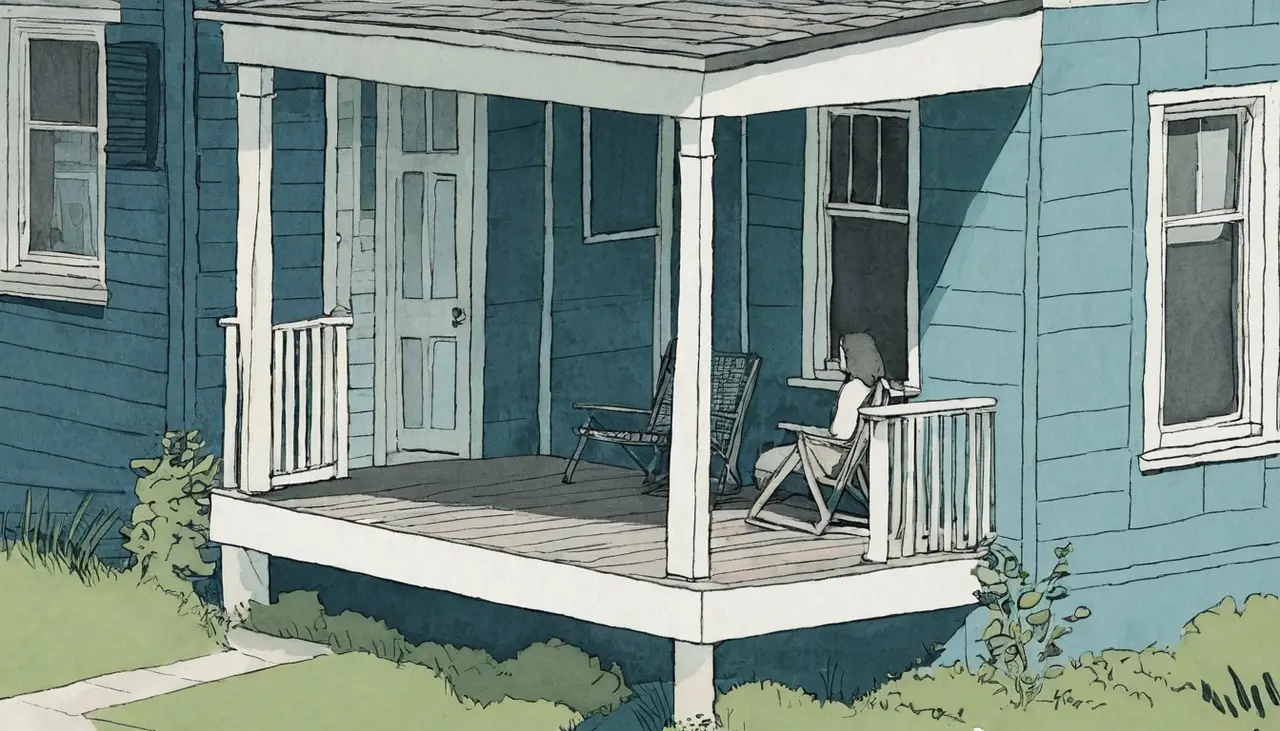
It's a Tuesday, and the calendar says the Fourth of July is two Saturdays out. You can already see the day: the cooler someone drags onto the grass, the first beer handed to you before you've even set your bag down, the long bright afternoon that keeps not ending. And you can feel the small clench that comes with it, because last year that afternoon got away from you, and you'd like this one to go differently.
Here's the thing about standing this far back from the weekend: you're in the one spot where planning actually works. Two weeks is close enough to picture the real day and far enough that nothing's happening yet. No cooler is open. Nobody's watching what's in your cup. You're not negotiating with a craving in real time — you're just looking at a day on the horizon and deciding, calmly, how you want to meet it.
That gap is a tool, and most people waste it. They either plan too early, when the weekend is still an abstraction they can't feel, or they plan on the day itself, which isn't planning at all — it's improvising with your guard down. So use the middle. What follows is a way to spend these two weeks I'll call mapping the day: you scout the weekend the way you'd scout a hike before you're tired and lost on it, mark the one stretch where the trail gets steep, and pack for that stretch specifically.
Why picturing it ahead of time works
A craving in the moment is loud and fast. It arrives with the drink already in someone's hand and a reason attached — it's a holiday, everyone's drinking, you'll start fresh Monday. Trying to reason with it right then is like trying to read a map in a strong wind.
Deciding ahead of time changes the terms. When you rehearse a moment before you're in it — where you'll stand, what you'll hold, what you'll say — you've built the response before the pressure arrives, so there's less for it to push against. You're not leaning on willpower at 4pm on a hot afternoon, which is exactly when willpower runs thinnest. You're leaning on a decision you made two weeks earlier, in the calm.
None of this is a willpower test you're passing or failing. A long holiday weekend is genuinely built to pull drinking along: the day resets, nobody's counting, and the pours aren't standard. NIAAA counts binge drinking as roughly 5 or more drinks for men, or 4 or more for women, in about two hours — the pattern that brings blood alcohol to about 0.08%. A cookout that runs from noon to dark can cross that line without anyone noticing, because a red cup refilled six times still feels like "a few." That's not a moral failing. It's a day designed to blur the count.
Map the day in four moves
You don't need a plan for all of July 4 weekend. You need to know where the trail gets steep and pack for that. Four moves, spread across these two weeks.
Scout the terrain
Sit down once this week and picture the actual weekend, hour by rough hour. Not "the Fourth" as a concept — the real shape of it. Are you hosting, so you can't leave when the day gets long? A guest, with less say over what's stocked and more pressure to take what's handed to you? Traveling, with unfamiliar beds and a schedule that isn't yours? Each of those has a different steep part.
Then find the one stretch that's hardest. For a lot of people it's not the whole day — it's a specific hour. The first arrival drink, before you've settled. The afternoon that stops having a shape. The second round after the fireworks. The house where everyone wakes up and starts again. Do this now: name your one hardest hour out loud, in a sentence. "The hard part is the afternoon once the food's gone." That sentence is your whole map so far, and it's enough.
Pack the first hour
The first hour usually sets the frame for the rest. What's in your hand when you arrive, where you stand, who you talk to first, whether the event opens with a drink by default — that all tends to decide the tone. So plan that hour specifically, and let the rest of the day follow it.
Decide before you go what you're holding for the first stretch and where you'll get it, so arriving doesn't hand the choice to someone else. Do this now: picture yourself walking in and pick the exact thing that's in your hand at minute one. Having an answer ready means the cooler doesn't get to ask the question for you.
Pocket two short lines
You do not owe anyone a speech. A lot of the pressure at a cookout comes from the assumption that turning down a drink requires an explanation, so people over-explain, and the explaining itself becomes a negotiation. Skip it. Carry two short lines you can say without thinking.
One for pacing — "I'm good for now" — that closes the loop instead of opening a debate. One for later, if the day stretches — "I'm heading out soon." Neither asks permission. Do this now: say your two lines out loud once, so your mouth already knows them. If shame is part of why you'd rather handle this quietly, that's common enough that NIAAA names stigma as one of the biggest barriers to people dealing with drinking at all. A short line isn't you hiding — it's just declining to make your afternoon a discussion.
Pack a landing plan
Every map needs a plan for the part where you get lost anyway, because sometimes you will. Two pieces here. First, the ride: decide before the day starts how you're getting home and who's driving, and make it someone the afternoon can't quietly reassign — the Fourth is one of the deadliest driving days of the year, and the federal traffic-safety agency counted 12,429 alcohol-impaired-driving deaths in 2023, about 30% of all traffic deaths that year. Settling the ride in advance takes it off the table entirely. Second, the morning: decide now what the next day looks like if the weekend doesn't go how you hoped — not as punishment, just as the next step. A cutback that survives one rough afternoon is far sturdier than one that only holds when everything goes perfectly. Do this now: finish this sentence — "If Saturday gets away from me, Sunday morning I will ___." Fill the blank with something small and real: water, a walk, a text to one person, not a verdict about who you are.
When it doesn't go to plan
Worth saying plainly: you can map the whole thing and still have a Saturday that gets away from you. Maps don't make the weather. Someone hands you a drink before your line is ready, the afternoon stretches past where you meant to stop, and by dark the plan feels like it was written by an optimist you no longer are.
That's not the map failing. That's just what a first pass looks like. The point of these two weeks isn't a flawless weekend — it's that you walk in having thought about it instead of being surprised by it, which is already a different Fourth than last year's. If it does go sideways, that's information for the next one, not a verdict on you. If Memorial Day went badly, you don't read it as proof you can't do this; you ask which specific hour repeated the old pattern, and you pack for that hour next time. A rough day is data. It is not a prediction.
One thing to keep separate from all of this: a holiday plan is not a detox plan. If you're drinking every day, or a stretch without alcohol has ever brought on shaking, sweating, a racing heart, or worse, then "just cut way back for the weekend" can be the wrong and even dangerous move — that's a conversation to have with a clinician before the holiday, not something to white-knuckle at a cookout. More on why in the dangers of quitting alcohol cold turkey.
What to carry into the weekend
Two weeks out, you don't need certainty about every hour of July 4. You need one sentence about your hardest stretch, a first hour you've already packed, two lines in your pocket, and a landing plan that settles the ride home and the morning after. That's the map. It fits on an index card, and it's more than most people bring to a holiday.
The point isn't to steer the whole weekend. It's to walk in having already made the one or two decisions that otherwise get made for you once the cooler's open. Pick your hardest hour and write your one sentence about it today, while the day is still just a shape on the calendar. When the actual moment arrives and the urge shows up with it, how to handle alcohol cravings and urges is the toolkit for riding it out. For the day-of version of this, there's how to handle the Fourth of July when you're cutting back; for the summer more broadly, summer BBQs and cookouts and drinking and hot weather.
This is general guidance for planning a holiday weekend — not medical advice, and not a judgment about how you drink. If cutting back feels physically risky (daily drinking, or past shaking, sweating, or seizures when you stop), plan it with a clinician first; for free, confidential help finding one, SAMHSA's National Helpline is at 1-800-662-HELP (4357). And if a stretch without alcohol ever brings on confusion or a seizure, treat it as an emergency and call 911.
- Social events & holidays
How to Handle Pride Events When You're Cutting Back on Drinking
A practical Pride Month pacing guide for brunches, parades, block parties, clubs, and house gatherings when you want the day to include less alcohol.
- Social events & holidays
How to Handle the Fourth of July When You're Cutting Back
A ten-hour Fourth of July pours itself unless you set edges first. Decide your leave time and drink number in the car, then keep a non-alcoholic can in hand.
- Family & relationships
How to Set Boundaries With Family When You're Cutting Back on Drinking
A calm guide to extended-family drinking pressure, short answers, and exit plans when you are trying to drink less.
- Cutting back & moderation
Should I Keep Alcohol in the House When Cutting Back?
A practical spectrum for deciding whether to clear, move, limit, or keep alcohol at home while you are trying to drink less.
- Cutting back & moderation
Thinking About Dry July When You Already Cut Back
How to think through Dry July when you are already drinking less, including no-spiral planning, safety guardrails, and what a no-drink month can clarify.
- Social events & holidays
How to Handle Labor Day Weekend When You're Cutting Back
Cutting back on Labor Day starts with a plan for each gathering. Set an arrival and exit time, count actual pours, and have a reply ready for refills.


Be the first to hear when Clero launches.
Join with email only. Clero is still in development, so this is educational content today — not treatment, a prescription request, or medical advice.
First to hear at launchLaunch news only — no spamUnsubscribe anytime