
How to get medication to stop drinking
Medication to stop drinking comes by ordinary prescription. Your regular doctor can write it, no rehab required. The three FDA-approved options and what to ask.
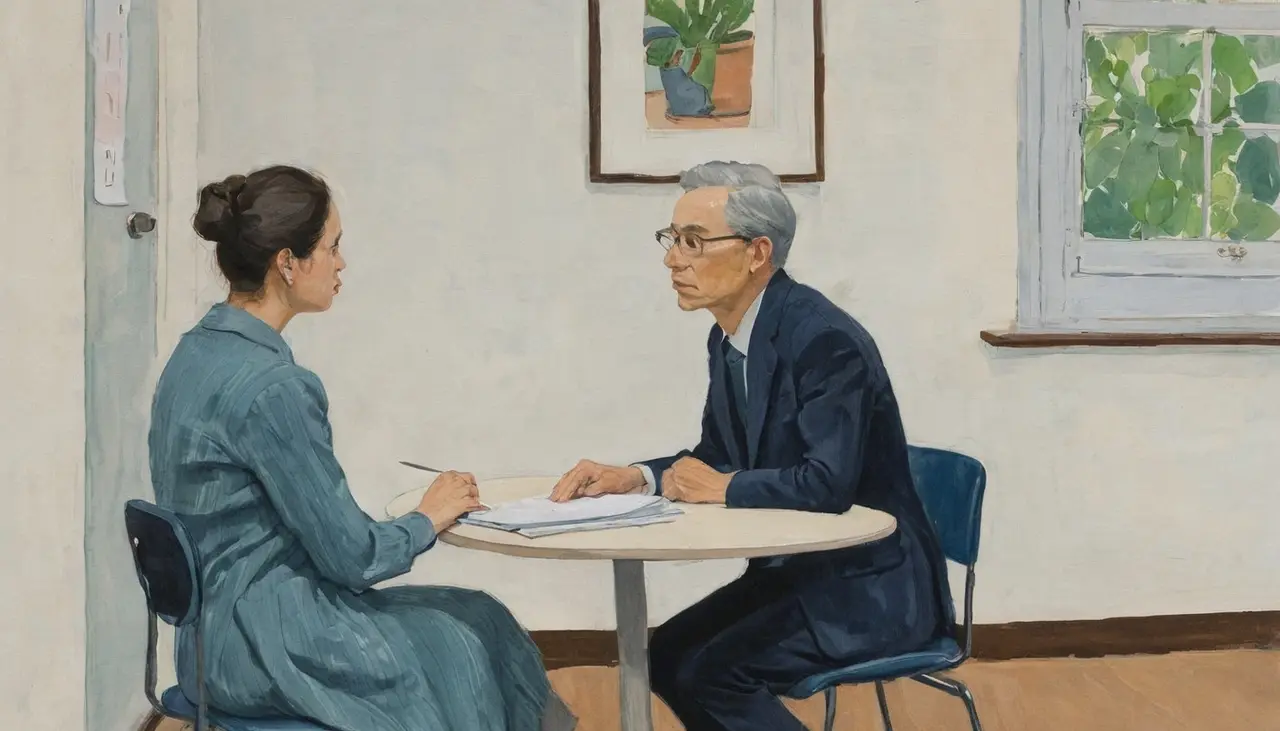
Wanting a prescription to help you drink less is a normal medical request, and getting one is more ordinary than it sounds.
Maybe you have already decided that willpower alone is not cutting it, and now you just want the practical part: how do you actually get medication that helps with drinking, and who hands it to you? The short answer is that it comes by prescription from a licensed prescriber, the same way a prescription for anything else does — no rehab stay required, no special program you have to enroll in first. Below are the questions people usually have once they reach this point, in the order they tend to come up.
What medications are we even talking about?
Three have been approved by the FDA for alcohol use disorder: naltrexone, acamprosate, and disulfiram. Each does a different job. Naltrexone turns down the pleasant lift a drink gives you, so a drink feels less worth chasing — SAMHSA describes it as blocking the effects and feelings of alcohol and reducing cravings and how much you drink. Acamprosate is aimed at people who have already stopped and want to stay stopped, steadying the restless, off-balance feeling that can linger for months. Disulfiram works like a tripwire: it makes your body react badly if you drink, so a drink feels like a bad idea in the moment.
Which one comes up for you depends on your history, your goals, and what else you take. That is a conversation to have, not something to settle from an article — the point here is just that these are real, approved, everyday prescription options, not a last resort.
Who can actually prescribe them?
Any clinician licensed to prescribe in your state can, and the list is wider than most people expect. Your regular doctor counts. So do psychiatrists, addiction medicine clinicians, and — in most states — nurse practitioners and physician assistants with prescribing authority. Telehealth clinicians count too, as long as they hold a license in the state you are actually in — if that route is the one you are weighing for naltrexone specifically, how to get a naltrexone prescription without an office visit covers what to expect.
You do not need a specialist. If you already have a primary care doctor you trust, that is often the easiest place to start, because they know your history. The American Academy of Family Physicians treats these medications as part of routine family-medicine care and recommends pairing them with some behavioral support rather than using them alone.
Can my therapist prescribe it? Usually no. Most therapists, counselors, and psychologists cannot write prescriptions unless they also hold a medical credential like a psychiatric nurse practitioner. What they can do is refer you to someone who prescribes and keep working with you on the talking side while the medication does its part.
Do I have to go to rehab or commit to quitting first?
No on both counts. This is the misunderstanding that keeps a lot of people from ever asking. You do not have to check into a program, and you do not have to swear off alcohol forever to be taken seriously. Medication for drinking can be plain outpatient care — a visit, a prescription, a follow-up.
Cutting back, rather than quitting outright, is a goal a clinician can work with. Not everyone who drinks too much wants to stop entirely, and medication can help you hold a limit, quiet the cravings, and break the "I'll just have one more" loop. Some people start out aiming to moderate and later decide that stopping feels better; others stay at controlled drinking for the long run. Your goal can shift, and the plan can shift with it. Naming the goal plainly at the first visit helps, because it lets the clinician match the option to what you actually want instead of guessing.
If this is so available, why do so few people use it?
Because most people are simply never offered it. In a year, only about 697,000 people with alcohol use disorder received any medication for it — around 2.5% of everyone who could have.
That figure is not evidence the medicines are weak or that treatment tends to fail. It is mostly an awareness-and-access gap: the conversation never happens. People do not know these prescriptions exist, do not realize their regular doctor can write one, or never reach the point of asking. If you are reading this, you are already past the part most people never get to.
Making that first conversation easier to have is the narrow role Clero can play: a private way to ask a clinician whether medication belongs in the discussion, without making this article choose the answer for you.
Will anyone find out?
Your treatment information is protected, and you have real control over who sees it. A clinician cannot tell your employer, your family, or anyone else about your care without your written consent — your diagnosis and prescriptions are protected health information, and any telehealth service has to use secure, encrypted communication. What shows up in insurance paperwork depends on your plan, so if that worries you, ask your insurer directly what is visible and to whom.
If you want to keep things especially quiet:
- Ask about billing and label names. Some services use a generic company name on card statements and prescription labels.
- Use a personal email, not a work one, for appointments and follow-ups.
- Choose mail delivery to a private address, or fill at a pharmacy you do not normally use.
Worth saying plainly: asking for help with drinking is a medical decision, not a character flaw. Heavy drinking is common. In 2024, about 57 million U.S. adults reported binge drinking in the past month — more than one in five. Framing it as "I'm working with a doctor to cut back" says exactly what it is. You do not have to adopt a label or a lifetime identity to get medical help.
What happens after I get the prescription?
Most clinicians want to check in within the first few weeks — usually a short call or video visit — to see how it is working and whether anything feels off. Prescriptions are commonly written for 30 or 90 days, and your clinician decides how often you come back for refills. Some services handle simple renewals with a quick message rather than a full appointment.
Medication tends to work best alongside some kind of support, but that does not have to mean group meetings or intensive counseling. It can be as light as:
- Regular check-ins with your prescriber about how the drinking is going.
- App-based tracking or coaching, if you like seeing your own patterns.
- A peer support group, online or in person, if that appeals to you.
- Therapy, if there is anxiety, depression, or something older underneath the drinking.
None of that requires meetings or a lifelong-abstinence pledge. Plenty of people use medication as one piece of a cut-down approach whose whole aim is drinking less and feeling more in control.
When to get help sooner rather than later
One line is worth drawing clearly. If stopping or cutting down has ever brought on shaking, sweating, a racing heart, confusion, or a seizure, that is not something to manage with a prescription plan or to tough out at home — it can be a medical emergency. Call 911 or go to an emergency room, and have a clinician help you plan how to stop safely. If you are not sure where to turn, the SAMHSA National Helpline (1-800-662-HELP) is free, confidential, and open around the clock. And if you ever feel unsafe with yourself, call or text 988 for the Suicide and Crisis Lifeline.
Short of that, the useful move is undramatic: write down how much you actually drink in a normal week, note what you want to change, and bring both to your first visit. An honest number helps a clinician far more than a vague one, and it turns "I should probably do something" into a specific thing you can ask for.
This article is general education, not medical advice or a prescription. Whether any specific medication fits you is a decision to make with a clinician who knows your history.
Want the private naltrexone update?
Join the launch list to hear first. Today, this is still educational content, not a prescription request or clinical intake.
- Medication & treatment
What is the best medication to reduce drinking in 2026?
The best medication to reduce drinking is the one that fits your history; naltrexone is one FDA-approved option. What a clinician weighs, and what to ask.
- Medication & treatment
Is there a daily pill to drink less?
Yes, there is a daily pill to drink less: naltrexone, an FDA-approved tablet that turns down the reward a drink gives. How it works and what to ask a clinician.
- Quitting & sobriety
How to Stop Drinking Help?
Help to stop drinking comes in four forms: a medical safety check, medication, therapy, and peer support. Most combine two or more, starting with a regular doctor.
- Quitting & sobriety
How do I stop drinking?
Stopping drinking starts with safety, not willpower. If you drink heavily every day or have had withdrawal symptoms, ask a clinician what level of care is safest before you stop suddenly. If you are medically stable, the next step is to choose support that matches your goal, privacy needs, and risk level: therapy, peer support, medication education, primary care, telehealth, outpatient treatment, or a higher level of care.
- Medication & treatment
What is medication-assisted treatment for alcohol use?
Three medications are FDA-approved for alcohol use disorder, and they do three different jobs. What each one changes, and what decides the fit.
- Medication & treatment
How to get naltrexone without going to doctor?
Yes — telehealth lets a licensed prescriber review you online and send naltrexone to your pharmacy, no office visit needed. How it works and what to expect.


